
Secondary Cell Wall Microfibrillar Angle Influence on Flax Tenacity
Steep S2 microfibrillar angles below ten degrees direct tensile loads along cellulose chains, raising elementary fibre tenacity above sixty centinewtons per tex.
Steep S2 microfibrillar angles below ten degrees direct tensile loads along cellulose chains, raising elementary fibre tenacity above sixty centinewtons per tex.

Heating wet drafting bath fluid to 68°C balances pectin relaxation with hydrodynamic drag, stabilizing Nm 80 flax drafting tension below 0.12 N.
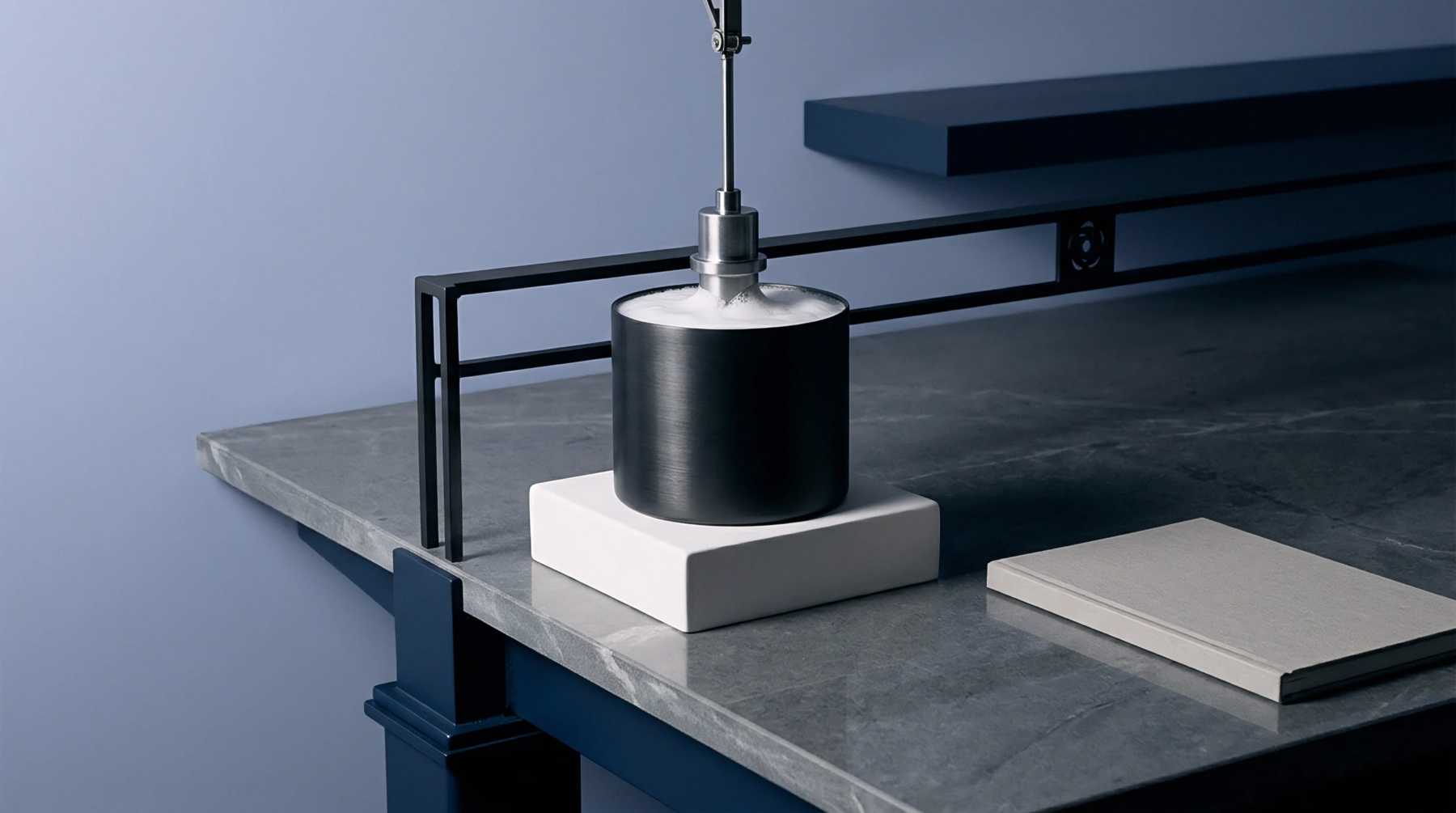
Maintain wet spinning bath at 62-66°C with 2.5 g/L pyrophosphate chelator to cleave middle lamella pectins, cut ends down, and maximize yarn tenacity.
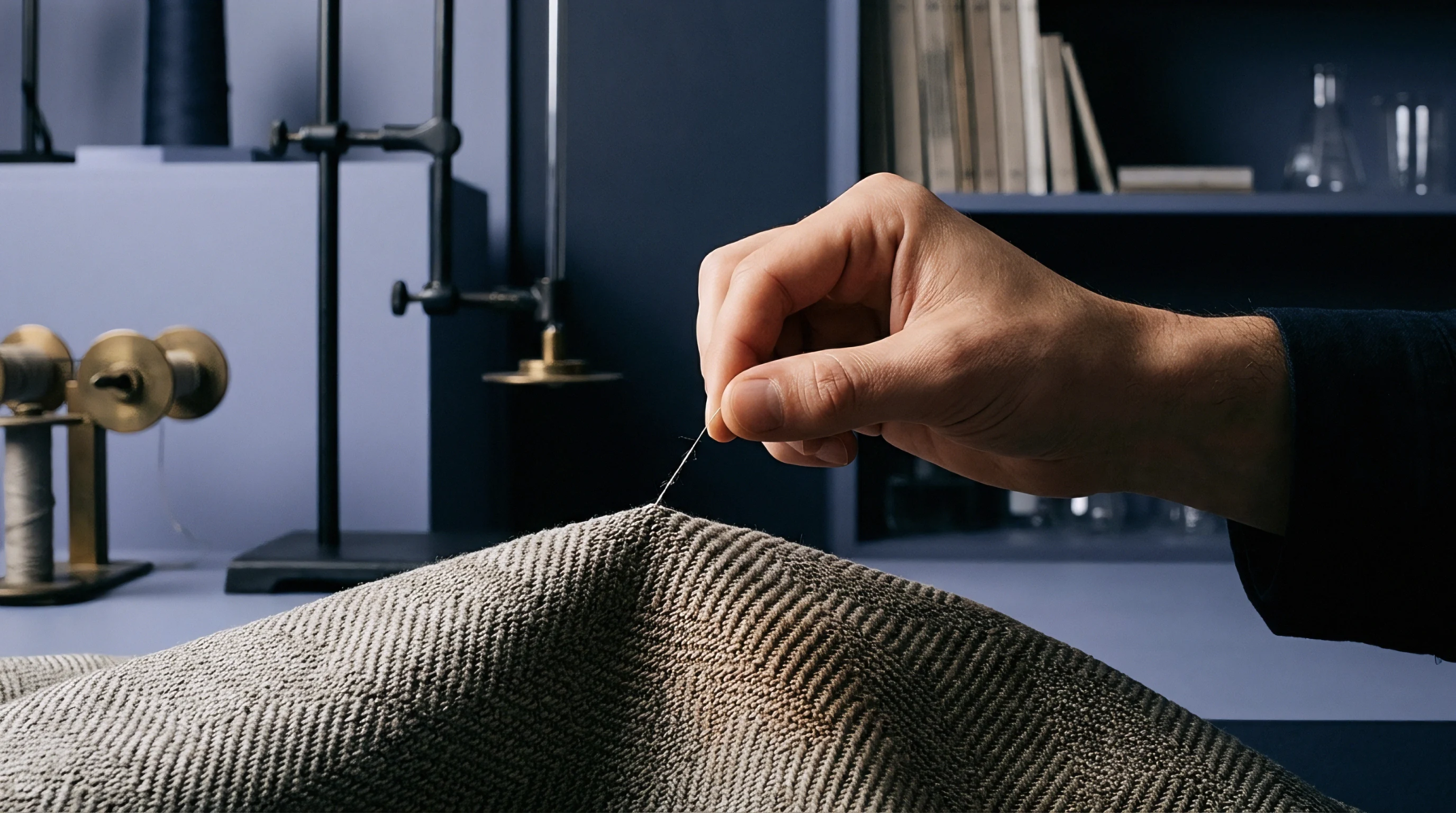
Optimal retting reduces residual pectin below 1.8 percent, allowing ultimate fiber separation to 3 tex and maximizing high-count line yarn yield.

Thermogravimetric analysis separates moisture from volatile extractives to enable exact hysteresis-corrected commercial weight settlements for bast blends.

Calculating standard moisture regain corrections for hackled flax corrects raw mass readings to 12% standard regain, securing true tex and metric count.
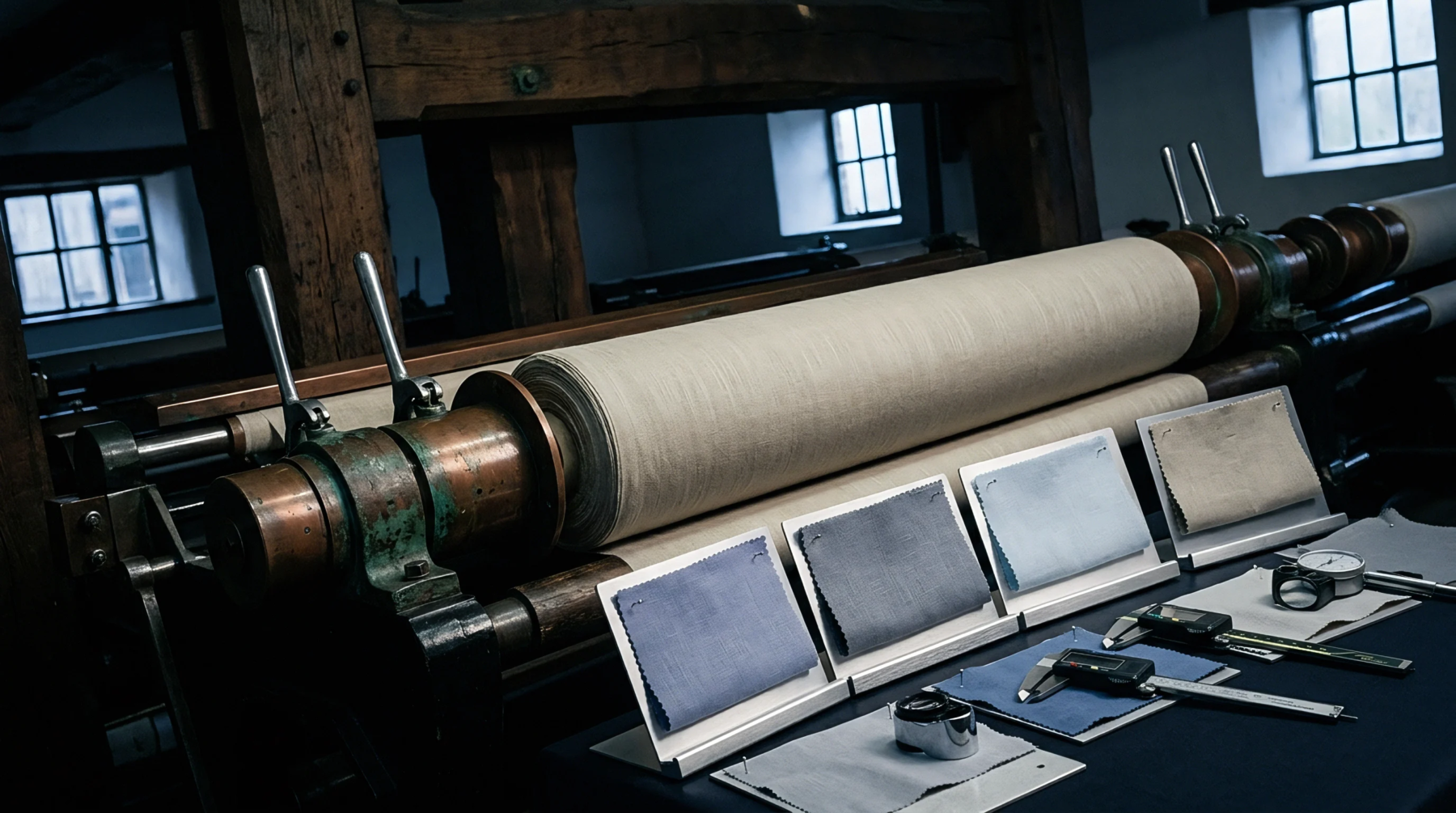
Verify dry mass through oven desiccation at 105C and apply a 12% moisture regain formula to protect mill yield and block transit water charges.

Calibrating wet spinning trough temperature and pH prevents pectin-induced draft rupture, lowering fine yarn end breaks and securing target tenor tenacity.
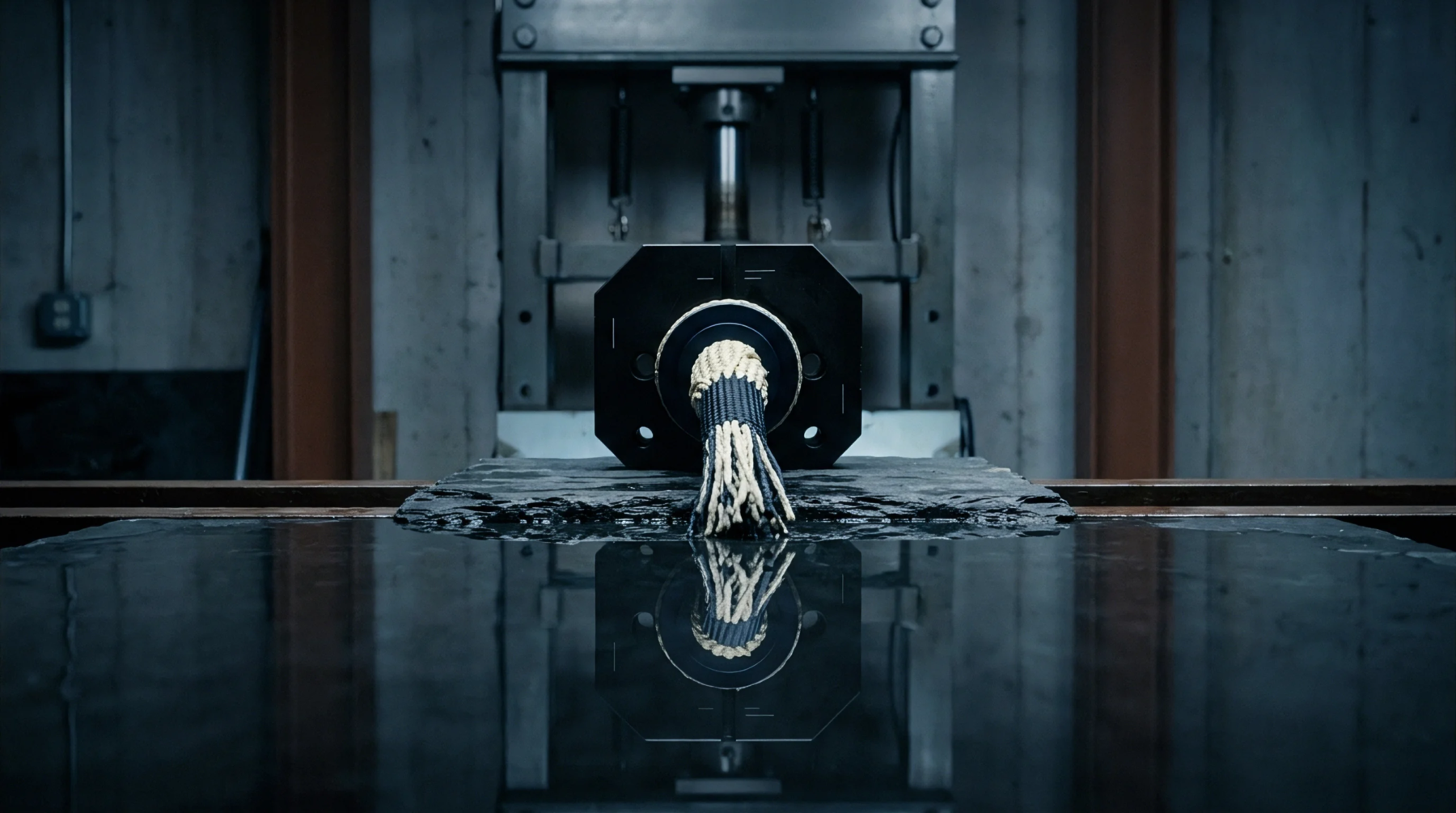
Flax wet bundle cohesion limits depend on pectin esterification, where levels between 38 and 48 percent optimize drafting resistance and yarn count.
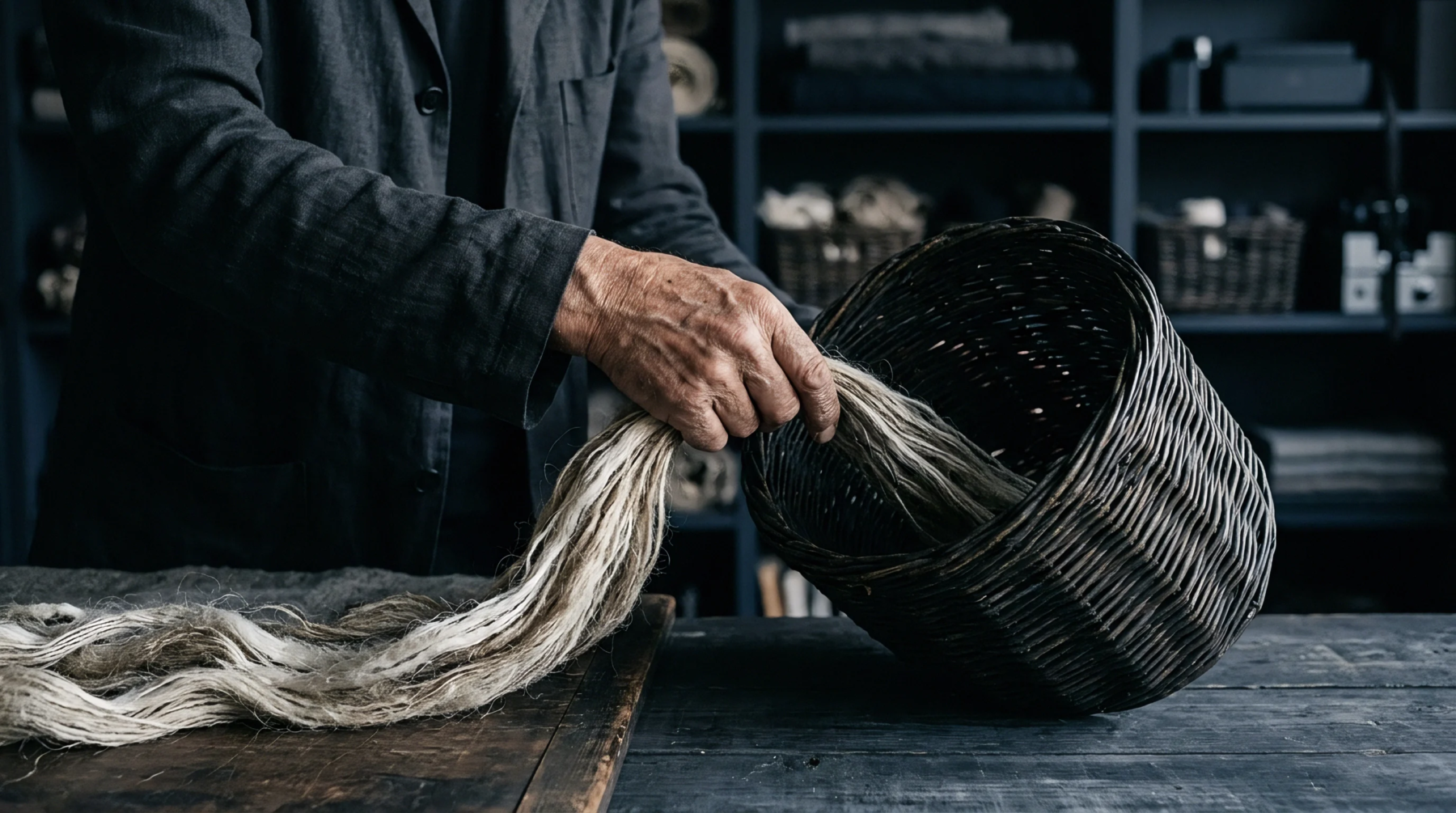
Hydrothermal roving softening solubilizes calcium pectate to allow fine wet spinning down to Nm 100 while preserving bundle tenacity.
Non-Gaussian fibre area variance and skewness depress wet spun yarn tenacity limits below Gaussian predictions by concentrating stress in local thin zones.

Cross-sectional area variance in wet spun flax roving governs drafted yarn tenacity and dictates final metre price through end breaks and second-quality fabric.
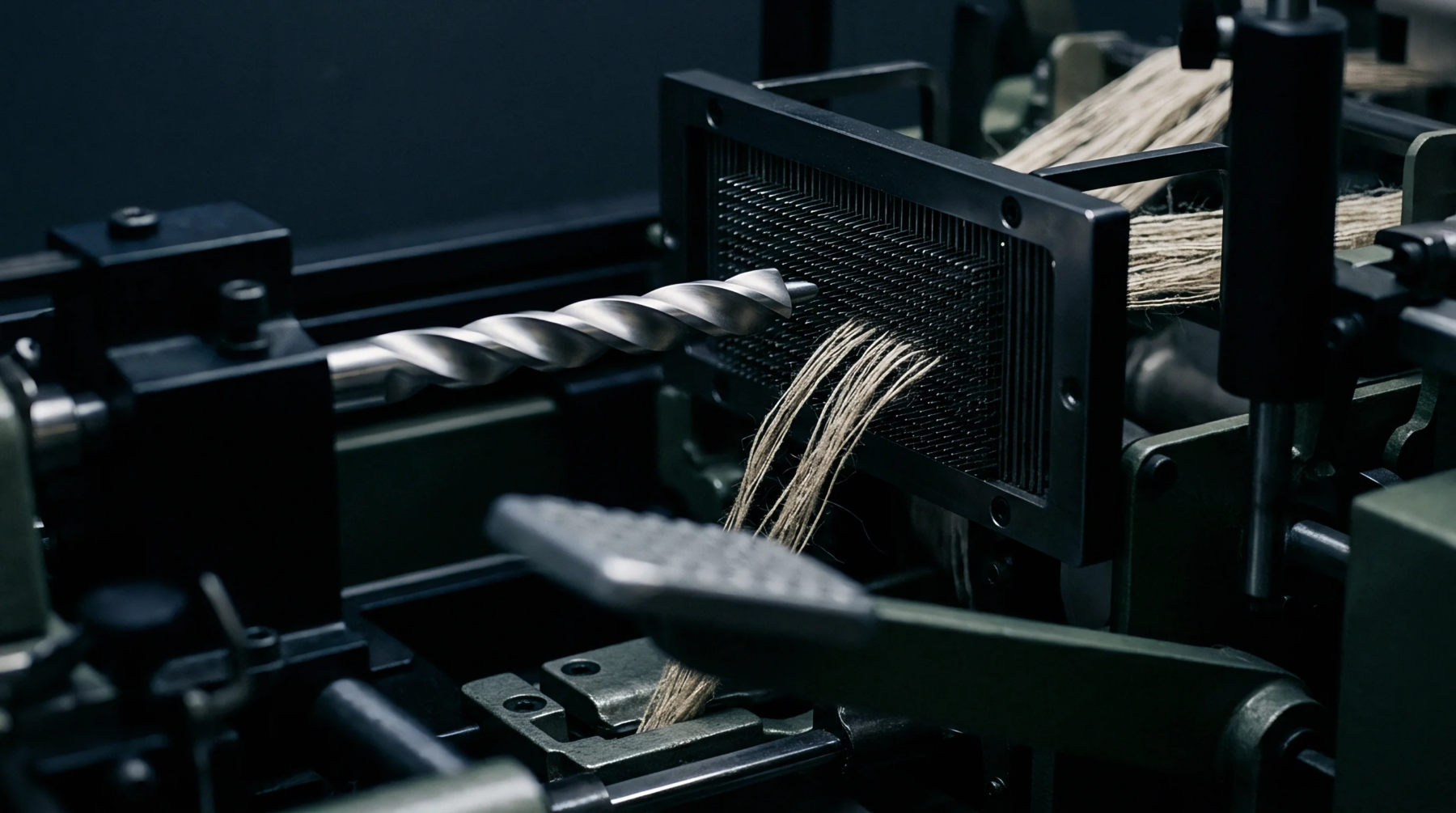
Flax bundle tex governs hackling outturn: finer bundles yield over 50 percent long line sliver, cutting net sliver cost and unlocking counts above Nm 50.
Radial viscosity gradients dictate fibre separation dynamics in wet drafting; unsoftened core bundles generate severe mass irregularity at speeds over 200 m/min.
Expertise is a utility, not a secret. sentiention™ publishes its working knowledge as open reference: intelligence layer covering the materials it sources, the markets it enters, and the reference that serves both.