
Flax Fiber Chemical Composition and Basic Retting Quality Evaluation
Optimal retting reduces residual pectin below 1.8 percent, allowing ultimate fiber separation to 3 tex and maximizing high-count line yarn yield.
Optimal retting reduces residual pectin below 1.8 percent, allowing ultimate fiber separation to 3 tex and maximizing high-count line yarn yield.

Residual pectins in wet spun flax undergo thermal mass loss at 105 degrees Celsius, creating up to 1.8 percent dry weight errors in commercial mass verification.

Wet spinning trough extraction rates between 2.2% and 3.5% dry mass optimize yarn cohesion while maintaining European Flax mass-balance compliance.

Maintaining residual pectin between 0.8% and 1.4% prevents roving draft collapse while enabling fibre attenuation in wet-spinning ultra-fine linen yarns.

Non-cellulosic thermogravimetric kinetic analysis quantifies binder levels to prevent hackling yield losses and wet-spinning breakage.
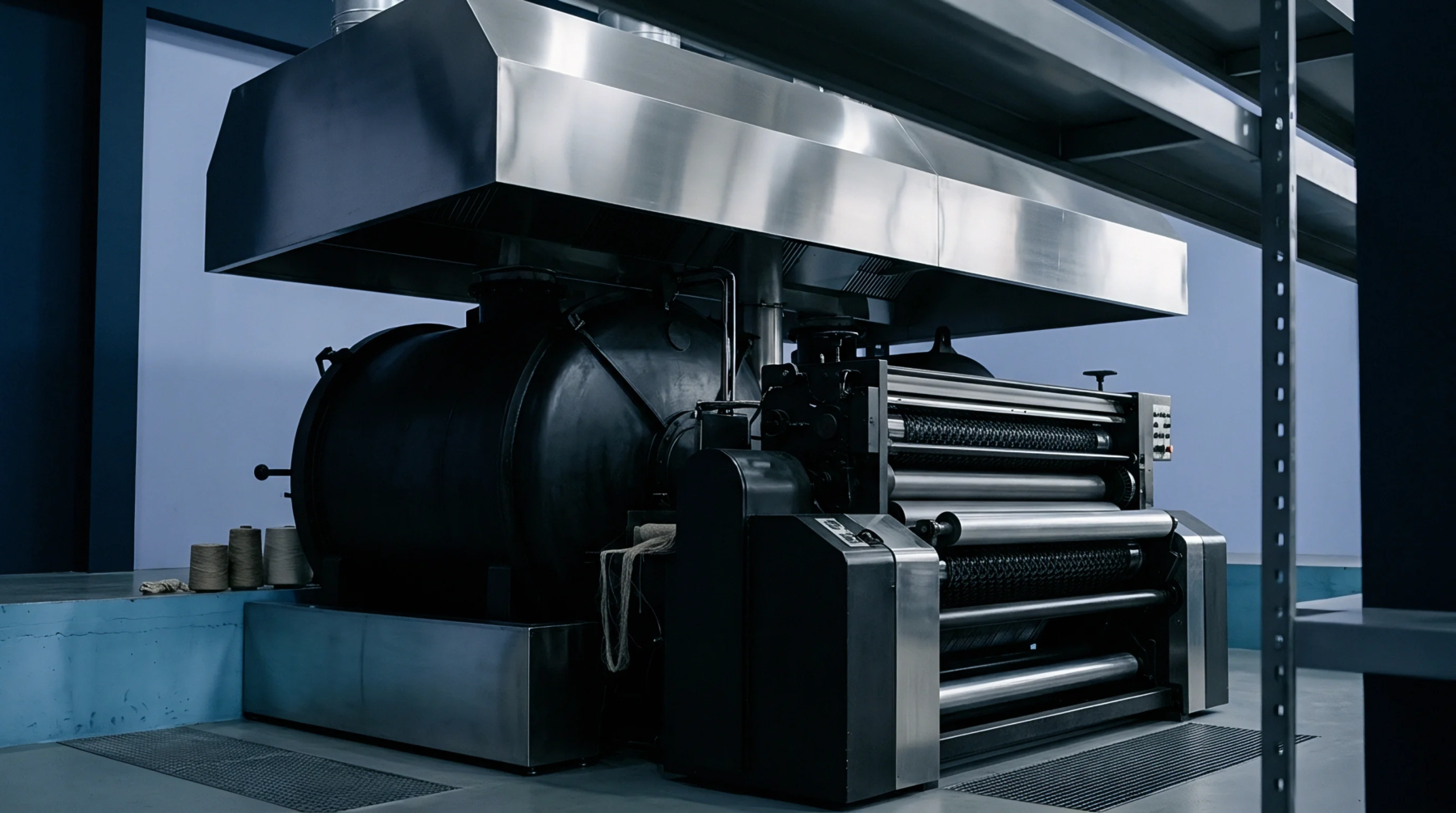
High-speed wet spinning demands sub-second pectin dissolution achieved through micro-jet boundary layer disruption and controlled calcium chelation.

Controlling flax sliver non-cellulosic residue below 2.5 percent eliminates drafting stick-slip force spikes and holds wet-spun yarn air permeability variance under eight percent.
Expertise is a utility, not a secret. sentiention™ publishes its working knowledge as open reference: intelligence layer covering the materials it sources, the markets it enters, and the reference that serves both.