
Quantifying Structural Microcracking Impact on Hackled Line Fibre Tenacity Weibull Modulus
Microcracking lowers hackled flax Weibull modulus, expanding tenacity dispersion and multiplying wet-spinning ring breaks despite normal mean bundle strength.

Line or tow, long-staple or blended. Flax grade decides the yarn before any weave is chosen, and with it the lustre, the strength and the price per metre. Linen is graded at the fibre, not the finish.
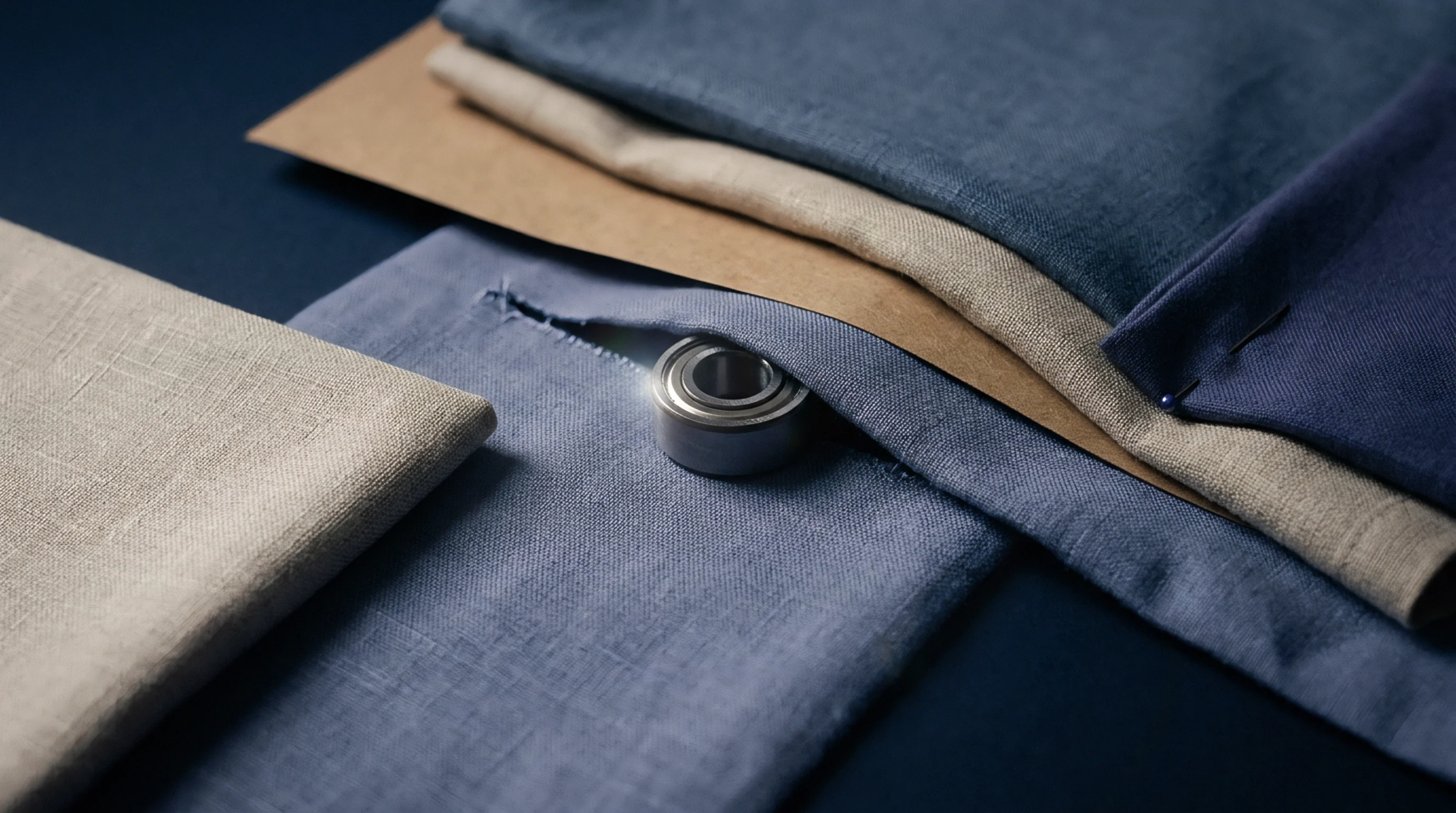
Microcracking lowers hackled flax Weibull modulus, expanding tenacity dispersion and multiplying wet-spinning ring breaks despite normal mean bundle strength.

Optical length profiling converts light obscuration along clamped flax beards into precise span length metrics that dictate drawing roller settings and spinnable Nm.
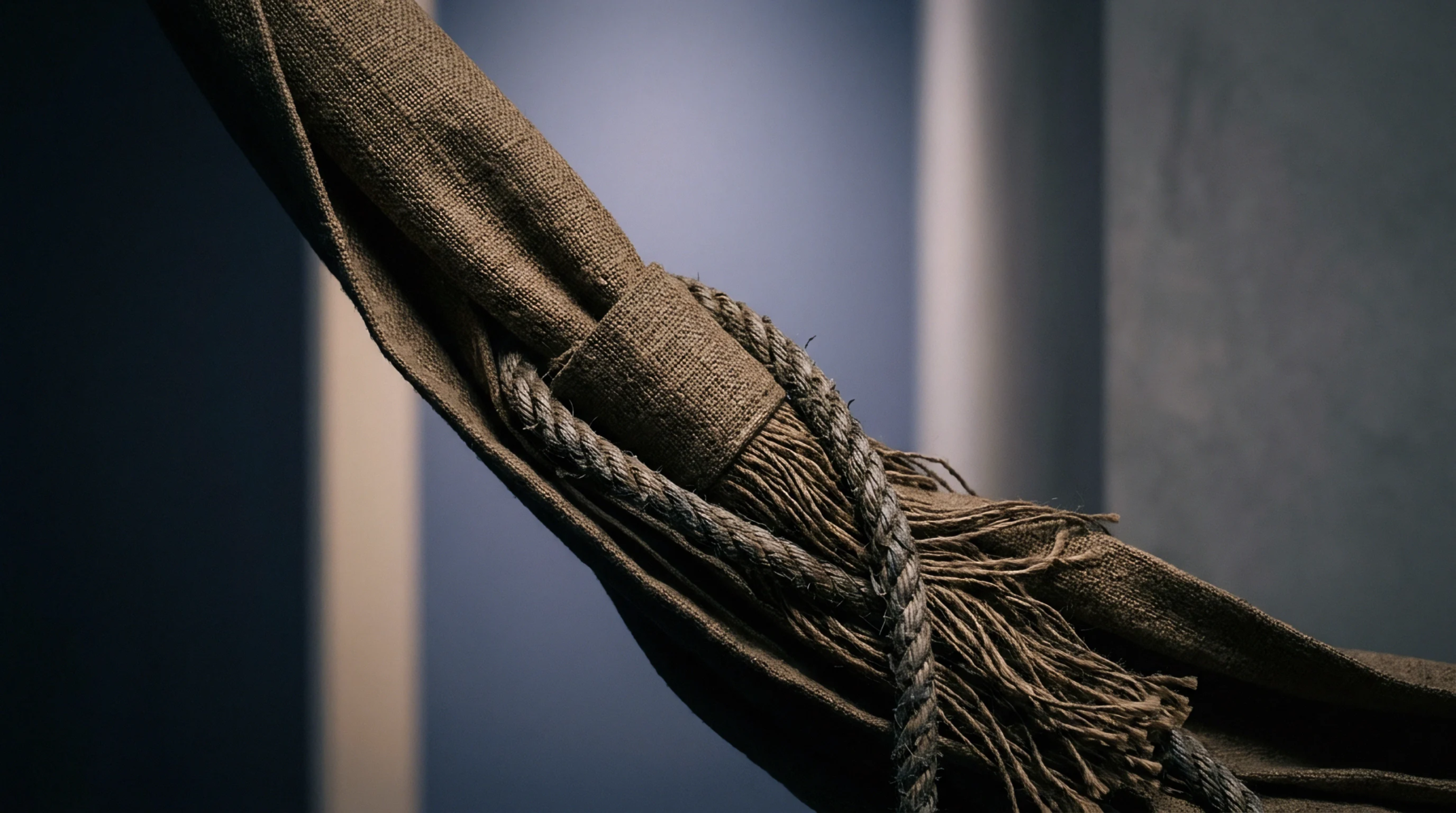
Flax technical bundle fineness dictates maximum spinnable yarn count while 3.2 millimetre gauge tenacity governs wet-spinning end breaks and hackling yield economics.
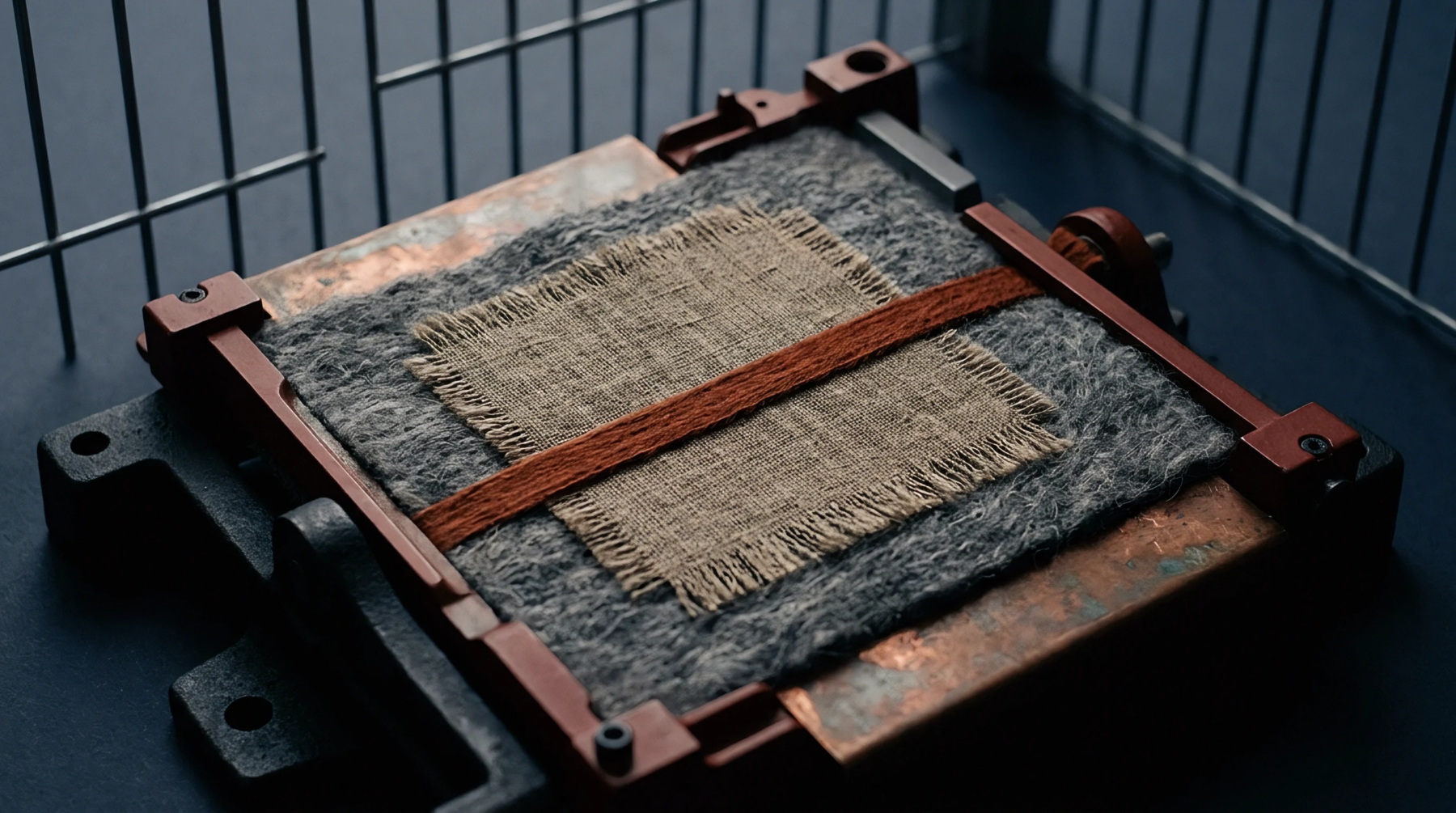
Scutching impact speed and low fiber moisture drive microfibrillar dislocations in flax secondary cell walls, lowering tenacity and hackling yield.
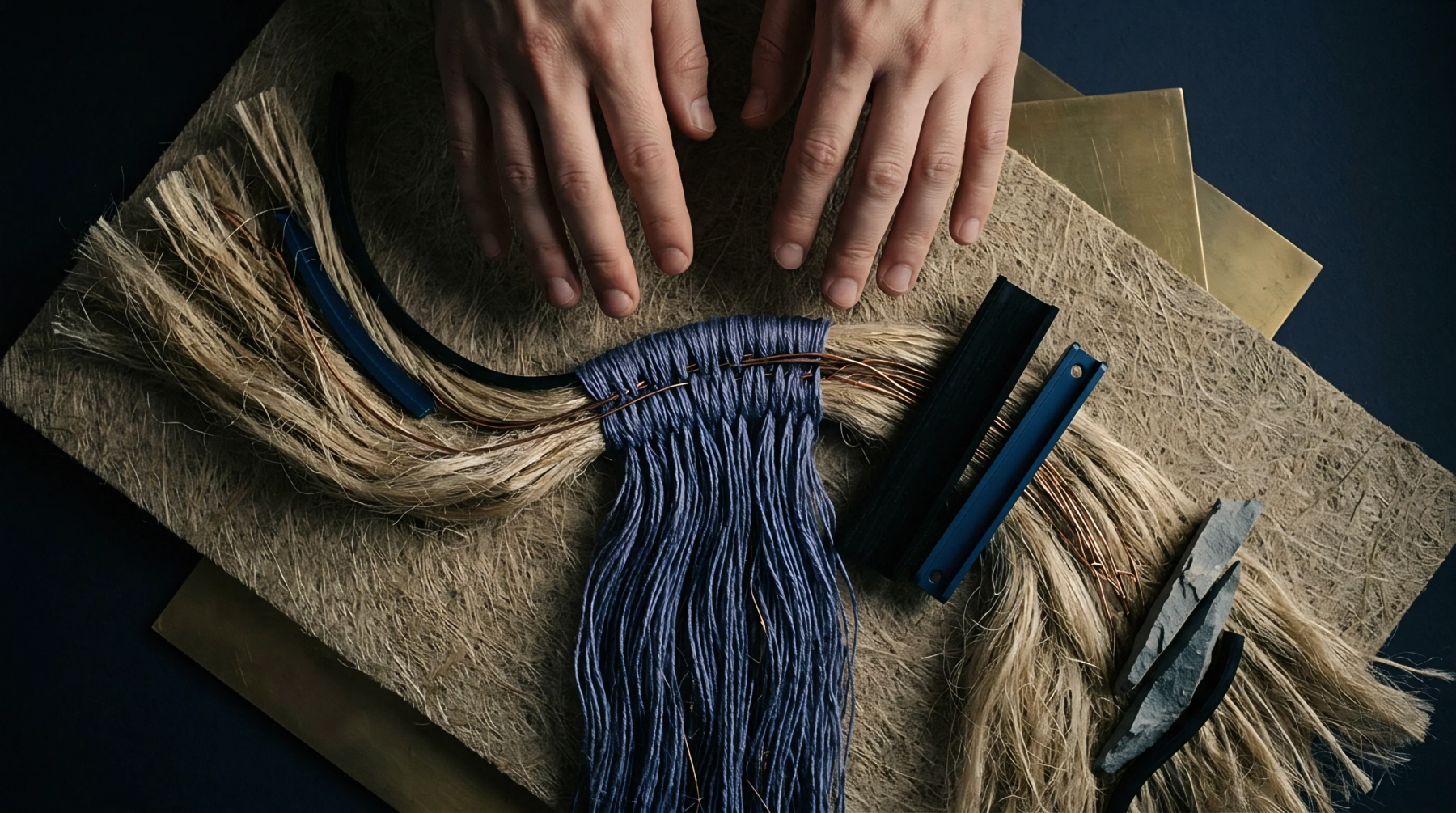
X-ray diffraction measures bast fibre microfibril angles via azimuthal peak distribution, setting hard physical limits on yarn tenacity and spinnable count.

Steep S2 microfibrillar angles below ten degrees direct tensile loads along cellulose chains, raising elementary fibre tenacity above sixty centinewtons per tex.
Plain, twill, jacquard, damask. The weave carries the identity of the cloth and its loom time; pattern complexity is a cost question and a capacity question at once. Structure first, styling second.

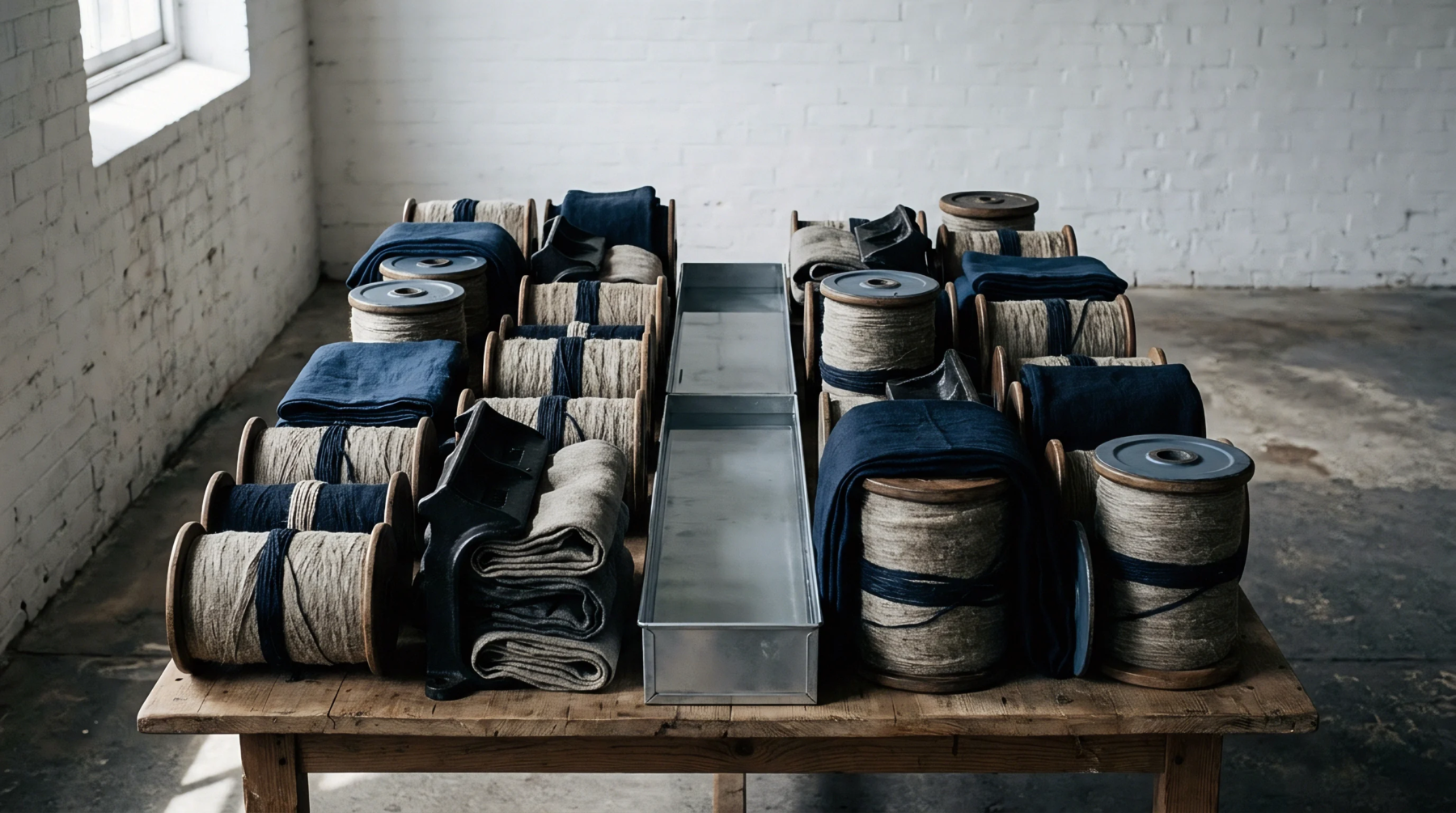
Aero-thermal desiccation at wide reed edges spikes flax end tension, demanding trimmed nozzle timing and differential whip roll settings to prevent brittle breaks.
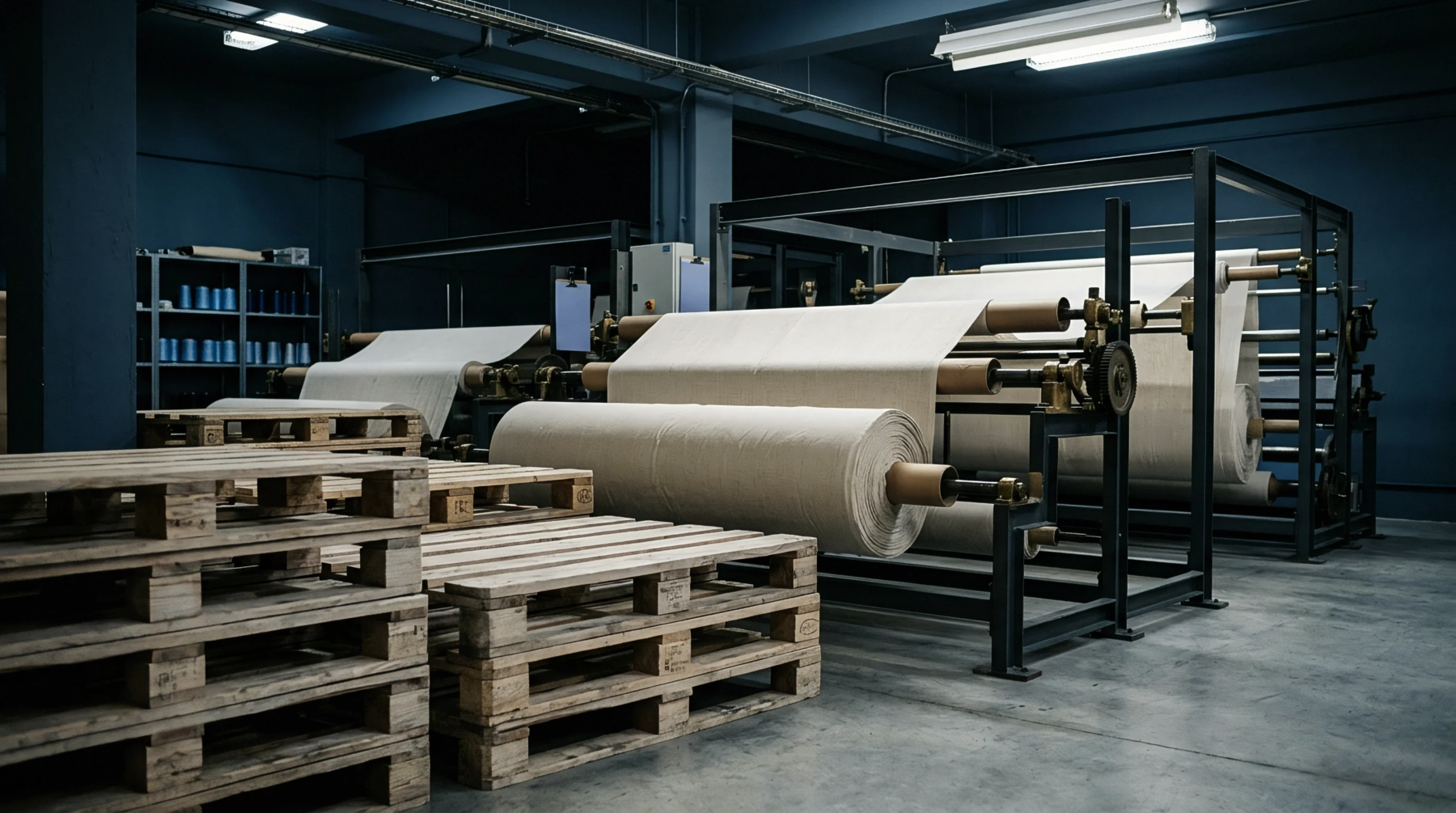
Balancing edge crimp on wide linen warps relies on matched temple pin inclination, selvedge denting gradients, and high ambient shed humidity.
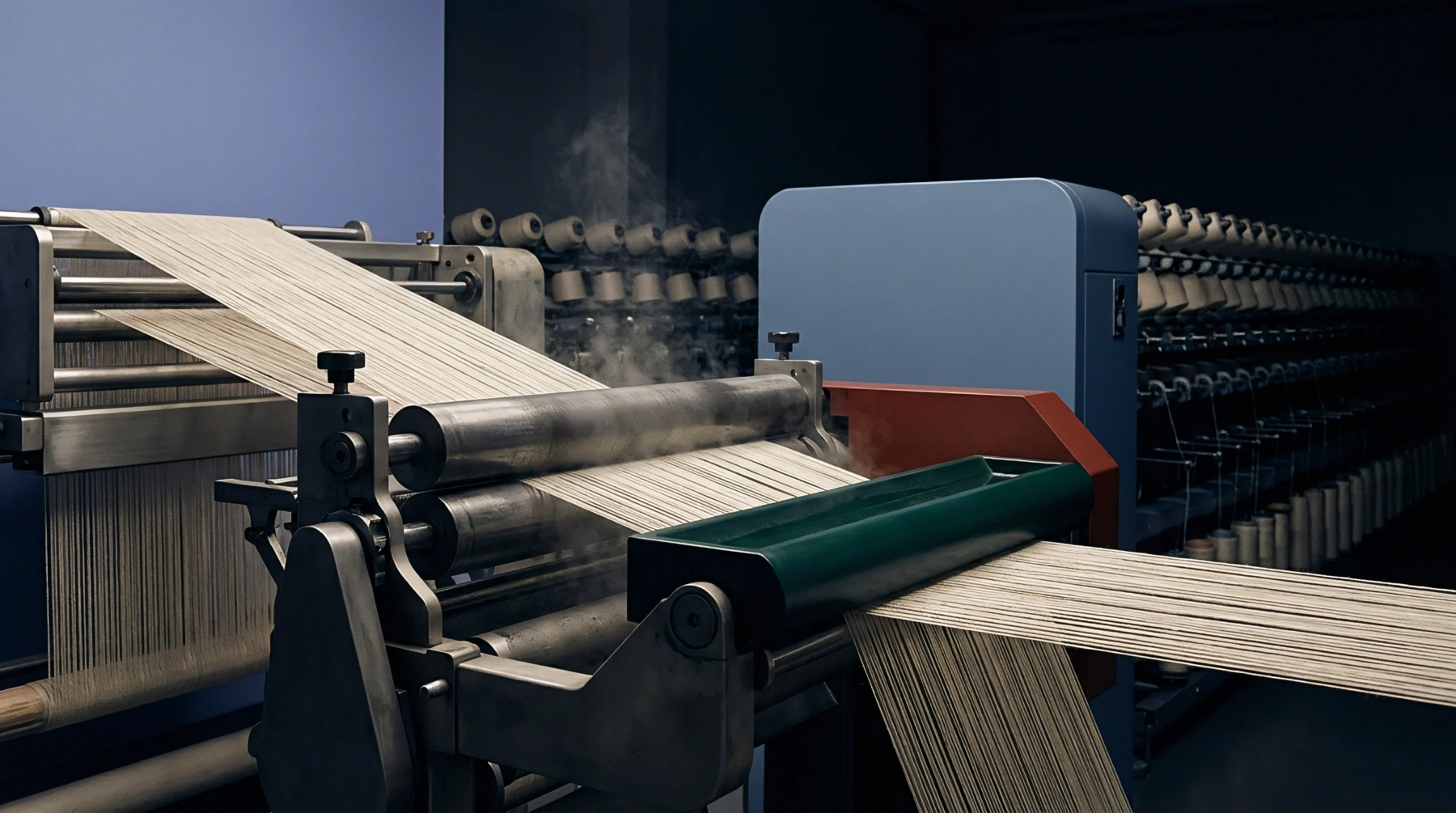
Active whip roll damping combined with lower shed crossover prevents bast yarn rupture while maintaining insertion speed on air-jet looms.
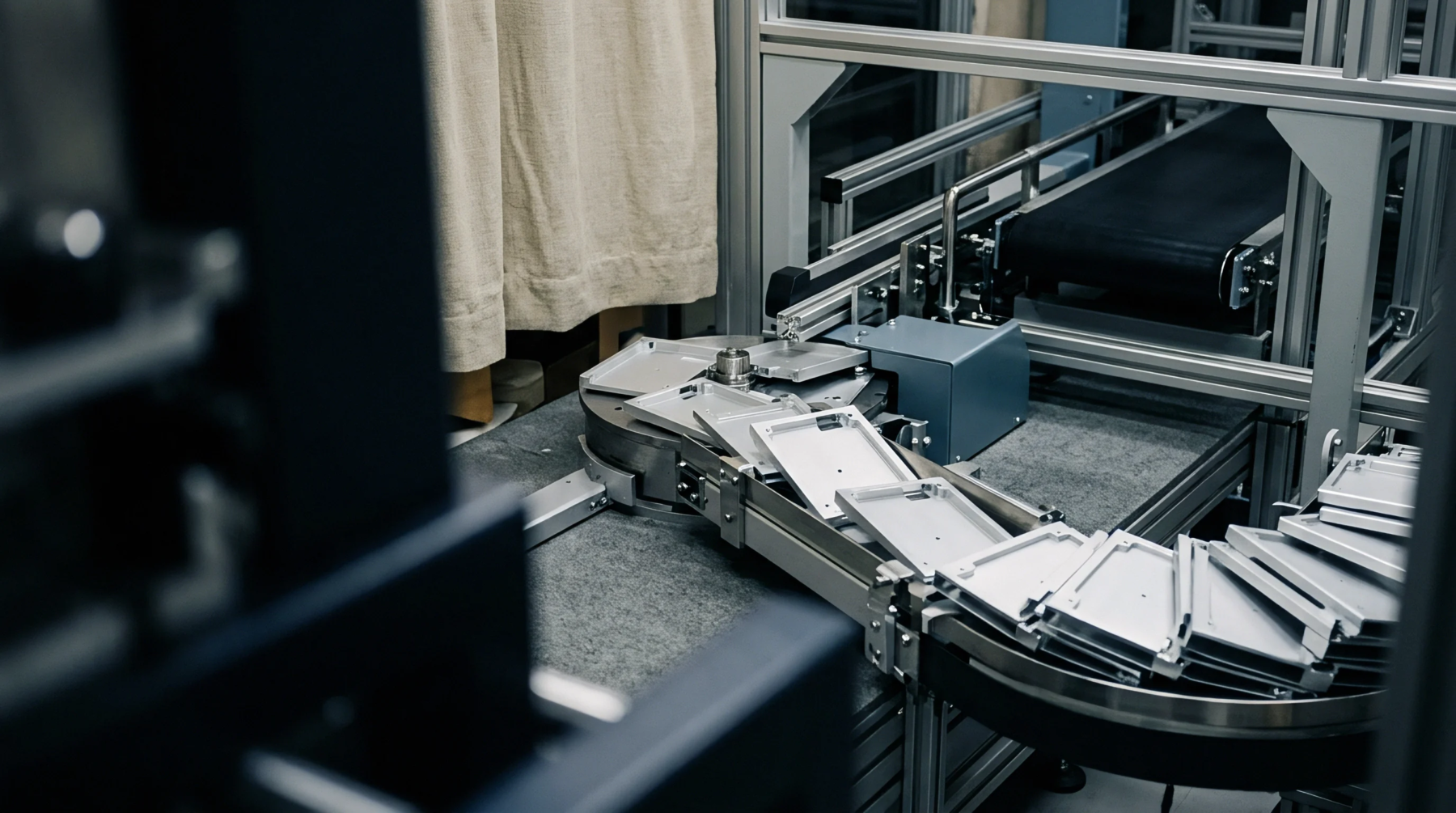
Rebalance linen crimp by lowering the backrest 25mm, delaying shed crossing to 325 degrees, and running segmented temples to suppress structural deformation.
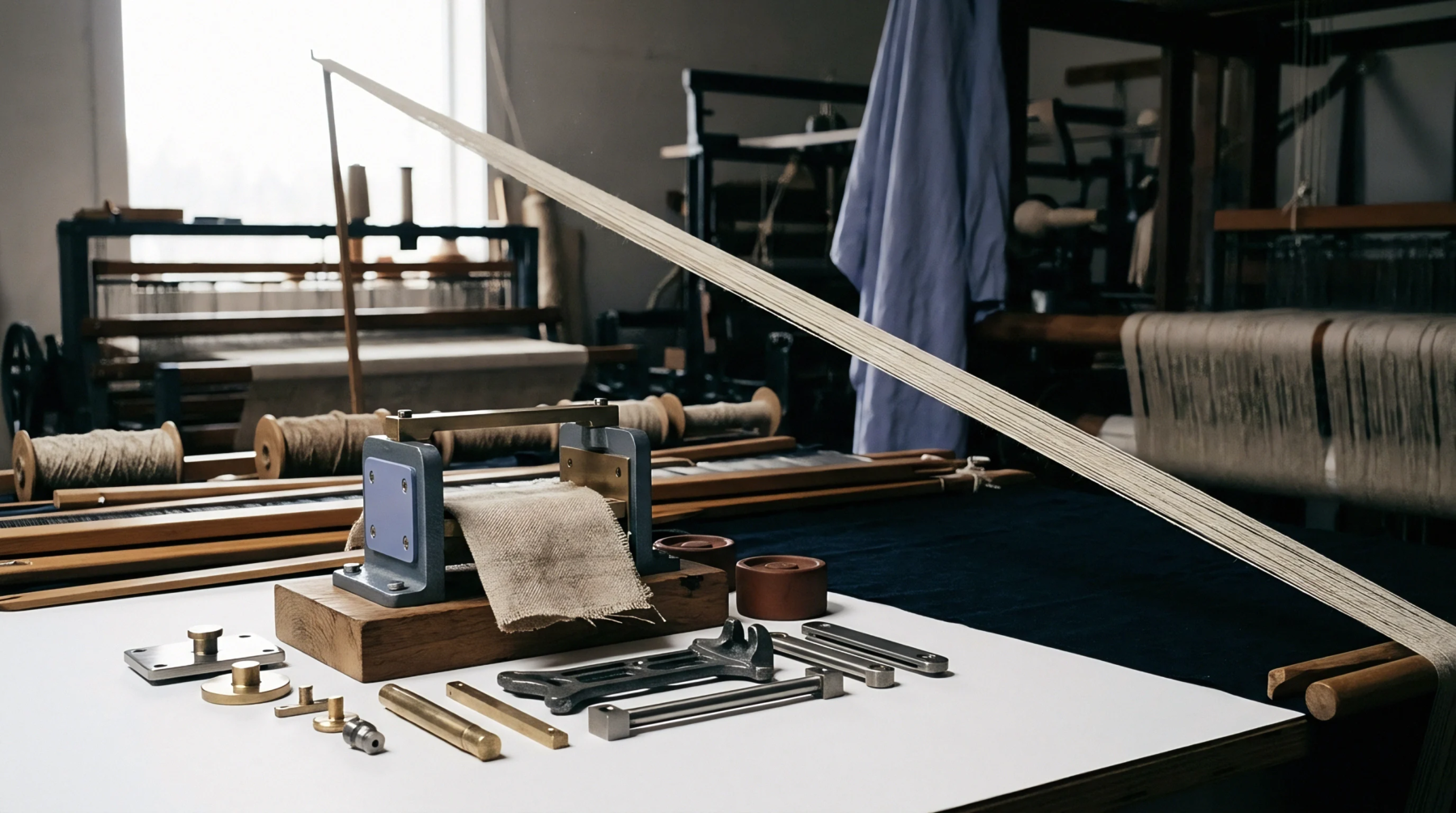
Optimizing size film elasticity and asymmetric shed geometry on rapier loom conversions cuts warp stops below 0.5 per hour and lowers total metre cost.

Translating handloom weave structures to rapier looms requires increasing yarn twist, sizing cohesion, and thread spacing to survive peak insertion stress.
Origin is what the linen buyer actually pays for. European Flax, Masters of Linen, field-to-fabric traceability: provenance is documented at every stage or it does not exist. This is the qualification gate.


Transaction certificate reconciliation requires matching certified input mass to finished fabric area using yarn count, construction density, and moisture regain.
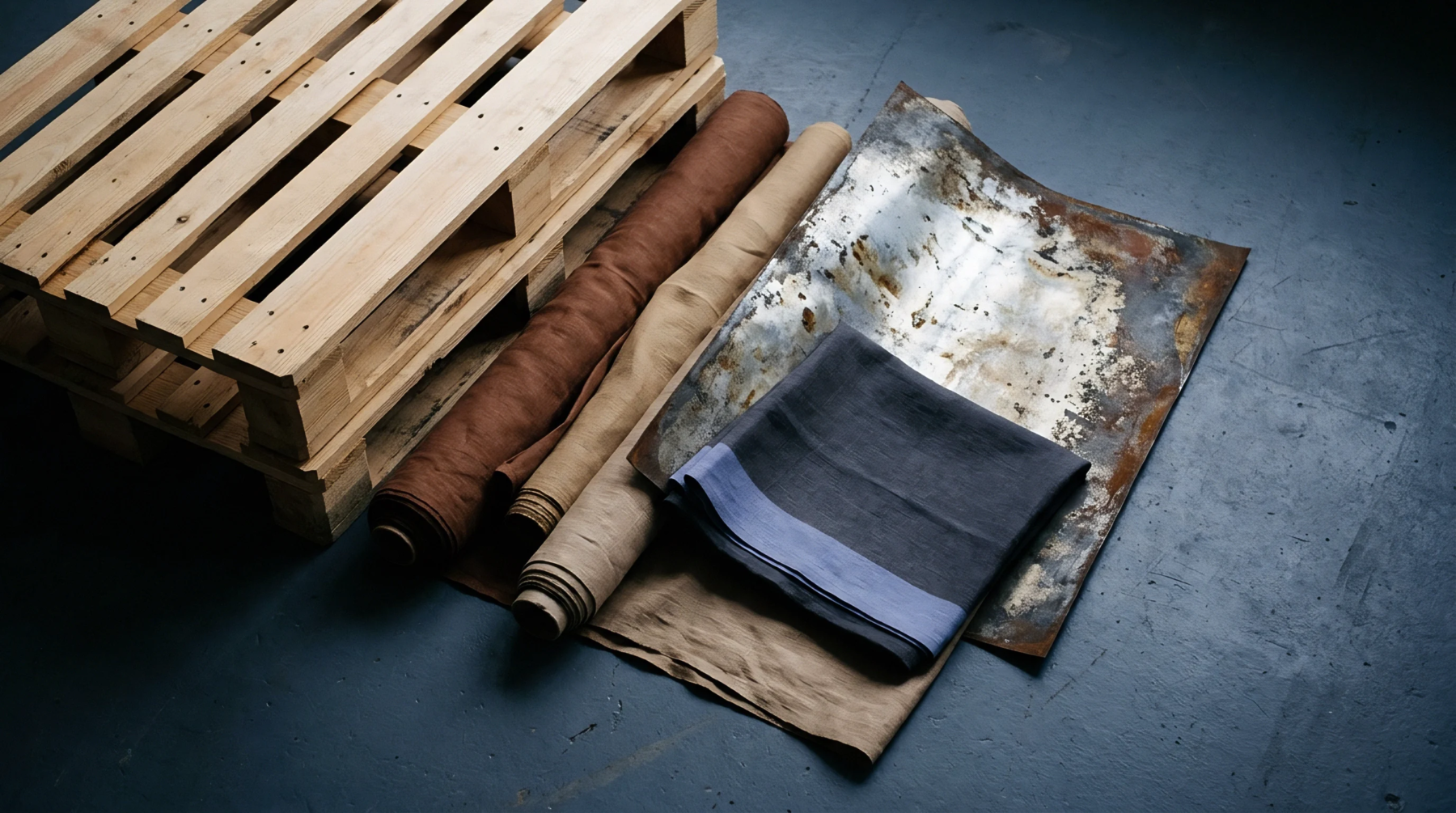
Scope certificates verify mill capability while transaction certificates prove physical batch origin across every stage of linen transformation.

Customs substantial transformation requires physical batch lineage at the processing site, overriding voluntary mass balance credit accounting.

Reconciling wet spun linen transaction certificates relies on matching fiber intake scope certificates against spindle yield logs, bath waste records, and yarn sales dockets.

Scope certificate verification requires matching facility address scopes with batch-level transaction certificates and mass-balance yield audits.
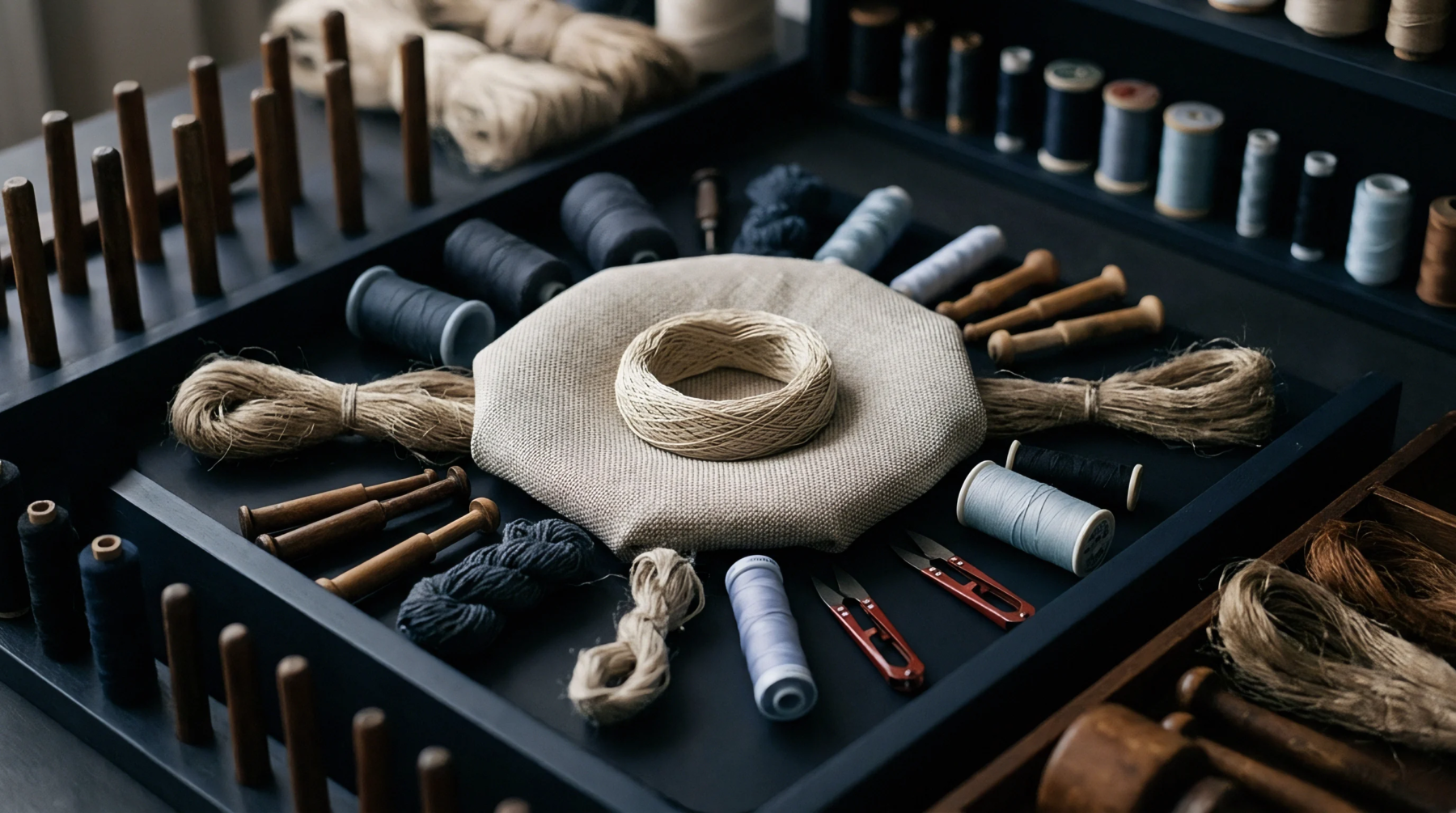
Dynamic isotherm hysteresis modeling reconciles bast fibre transit mass shifts to prevent origin ledger discrepancies and customs duty reclassifications.
Expertise is a utility, not a secret. sentiention™ publishes its working knowledge as open reference: intelligence layer covering the materials it sources, the markets it enters, and the reference that serves both.