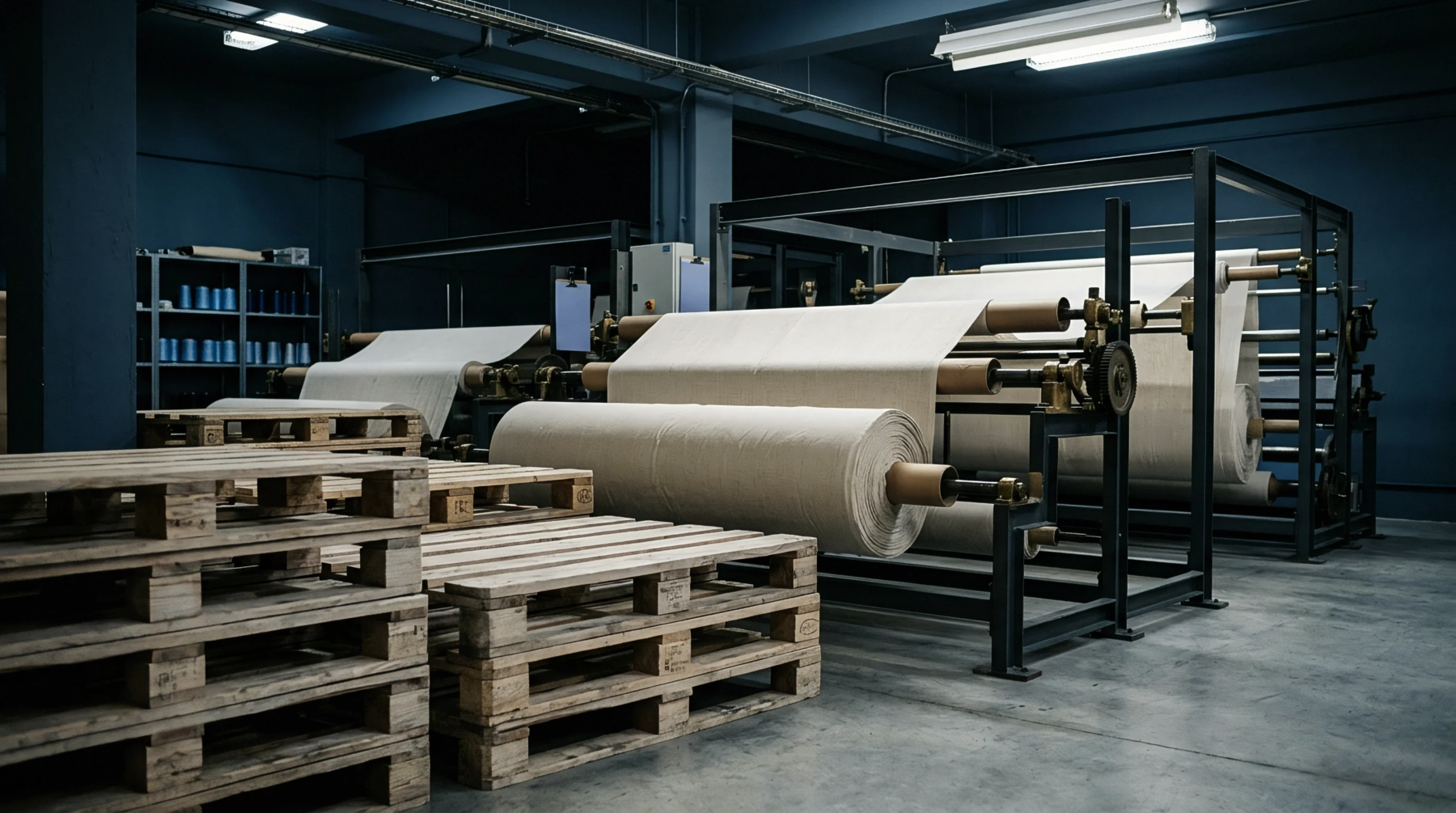
Optimizing Edge Crimp and Temple Settings for Wide Linen Warps
Balancing edge crimp on wide linen warps relies on matched temple pin inclination, selvedge denting gradients, and high ambient shed humidity.
Balancing edge crimp on wide linen warps relies on matched temple pin inclination, selvedge denting gradients, and high ambient shed humidity.
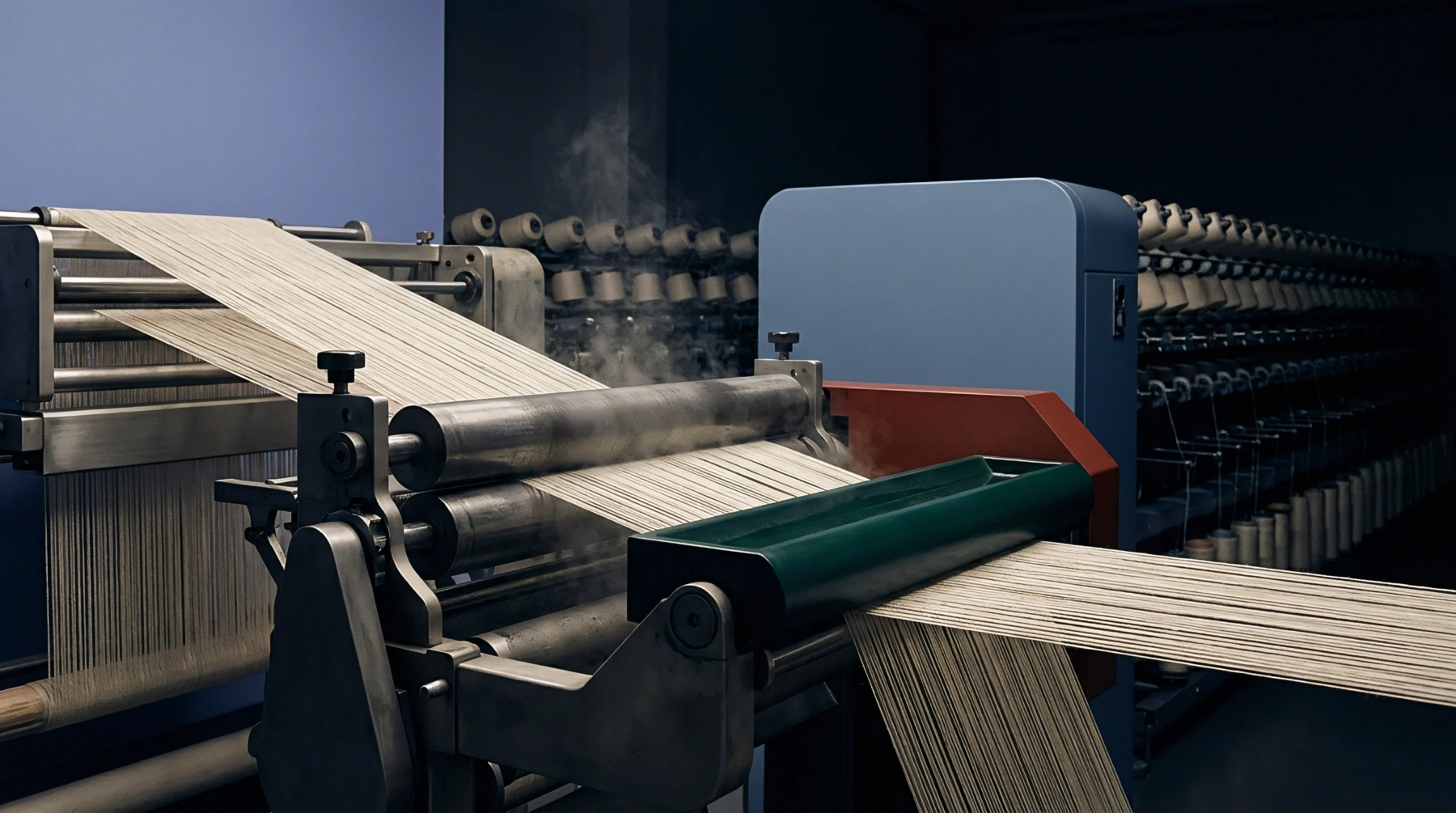
Active whip roll damping combined with lower shed crossover prevents bast yarn rupture while maintaining insertion speed on air-jet looms.
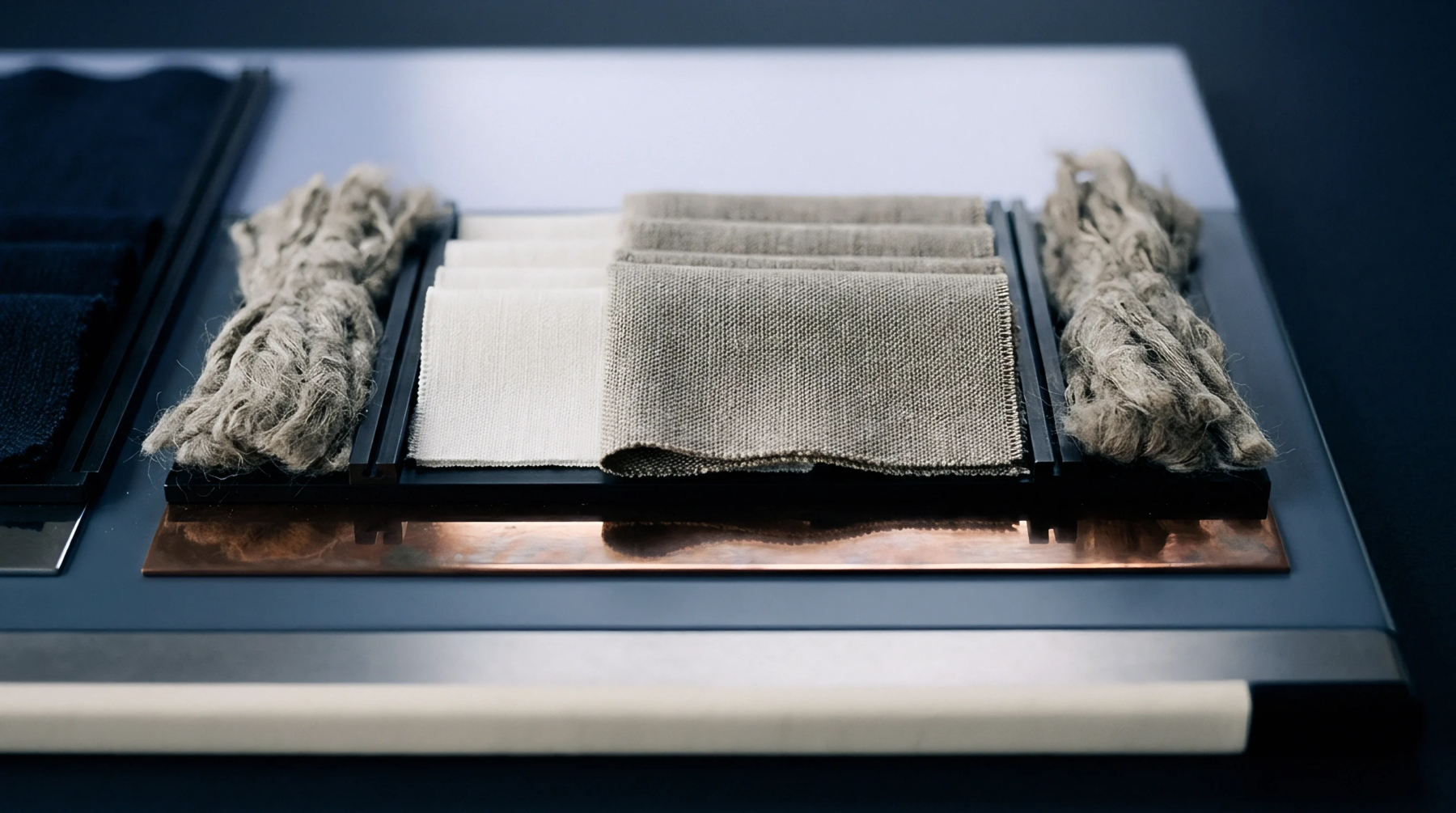
Dynamic localized psychrometric control sustains viscoelastic sizing compliance on bast warps, preventing film fracture and lifting loom speeds past 500 PPM.

Distinguish splice rupture from size film failure by inspecting fiber tail slip length versus parent yarn twist retention under optical magnification.
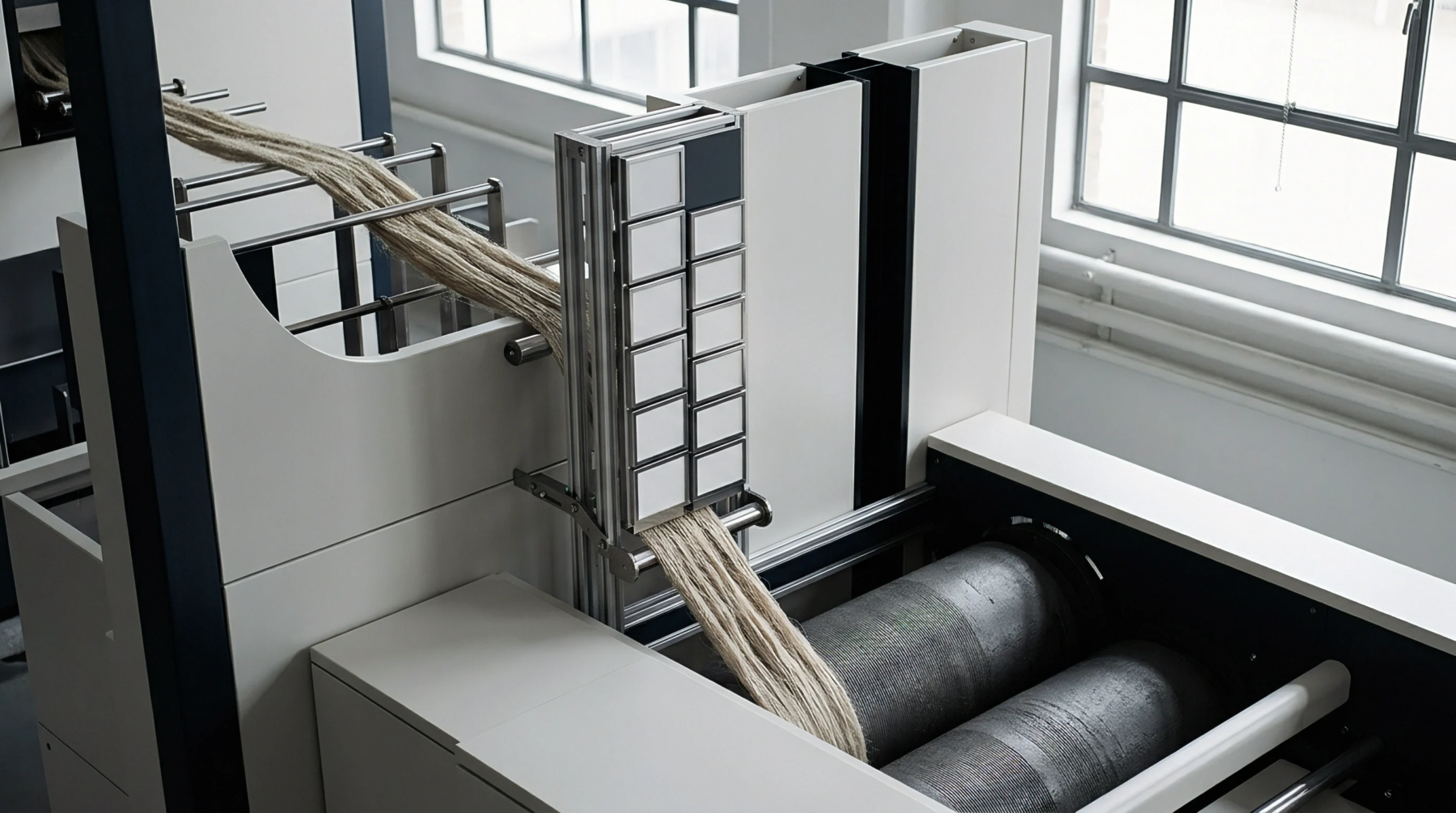
Adjusting weaver loom allocations based on high-density flax warp end-break rates maximizes loom-hour output and prevents stop-mark quality losses.
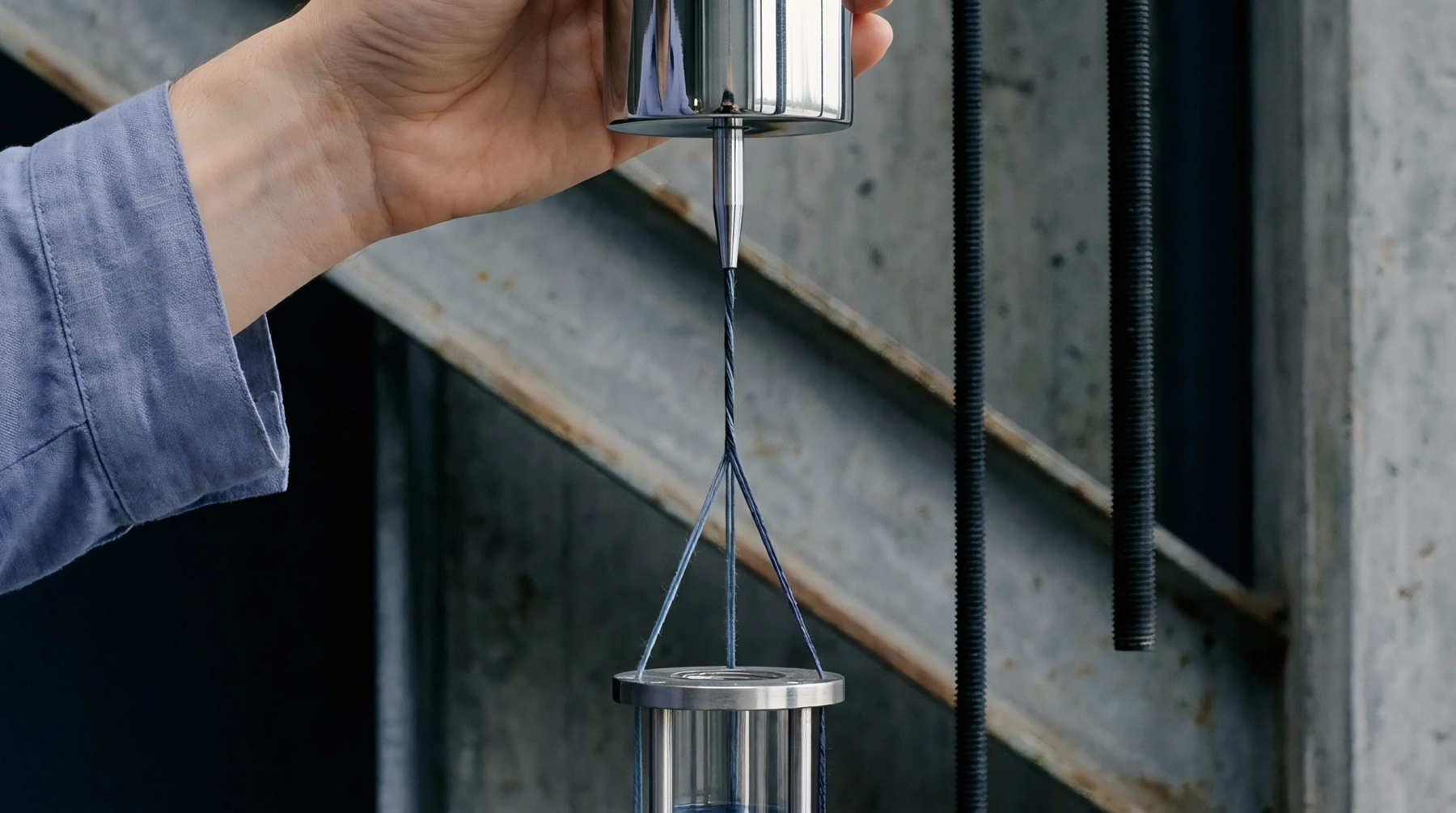
Optimizing Jacquard shed depth and backrest synchronization caps dynamic tension below 60 percent yarn strength, eliminating warp breaks in fine linen.
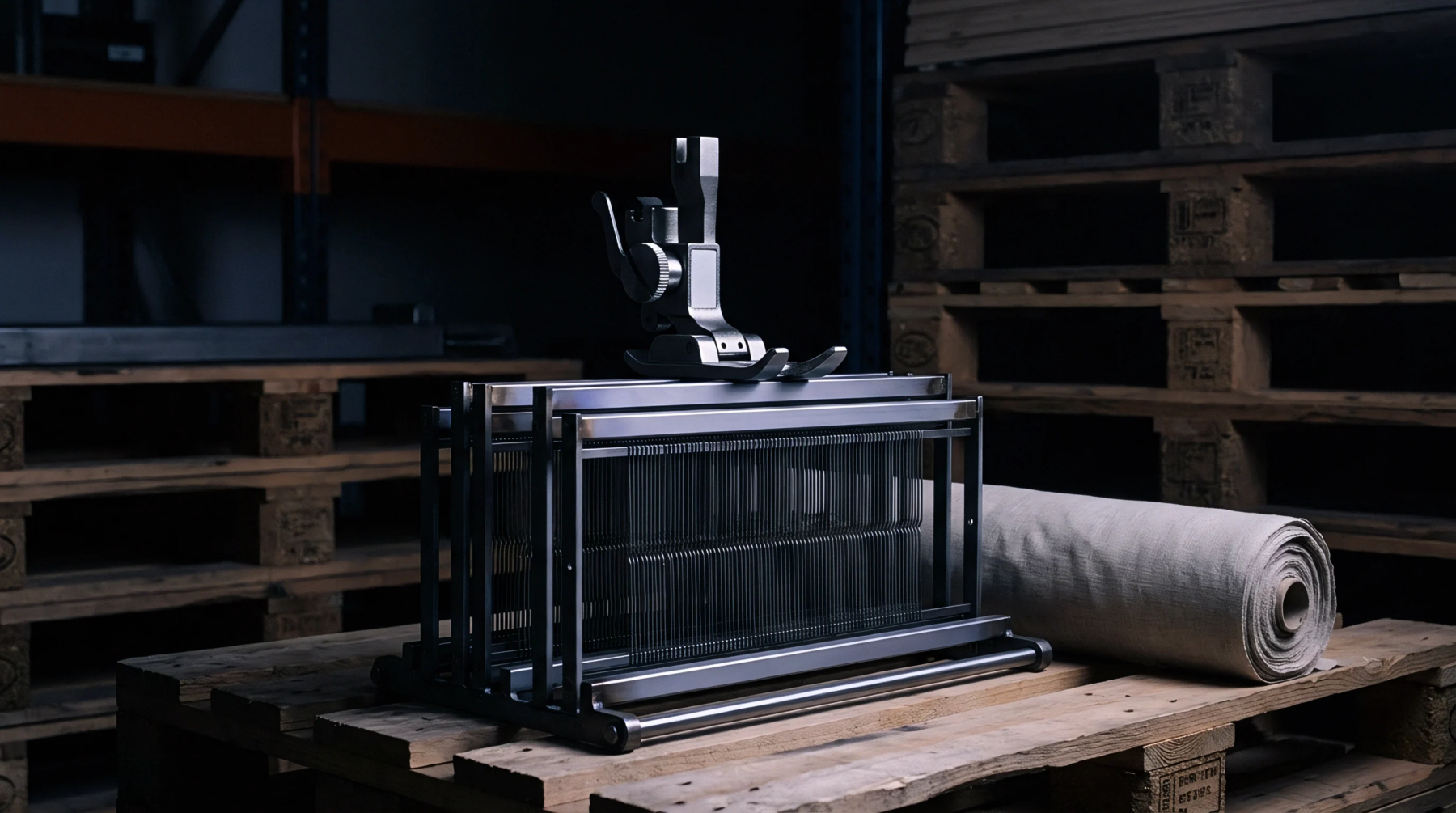
Optimize high density linen weaving by expanding harness leaves to minimize heald crowding and selecting reed counts that preserve open air space above forty percent.
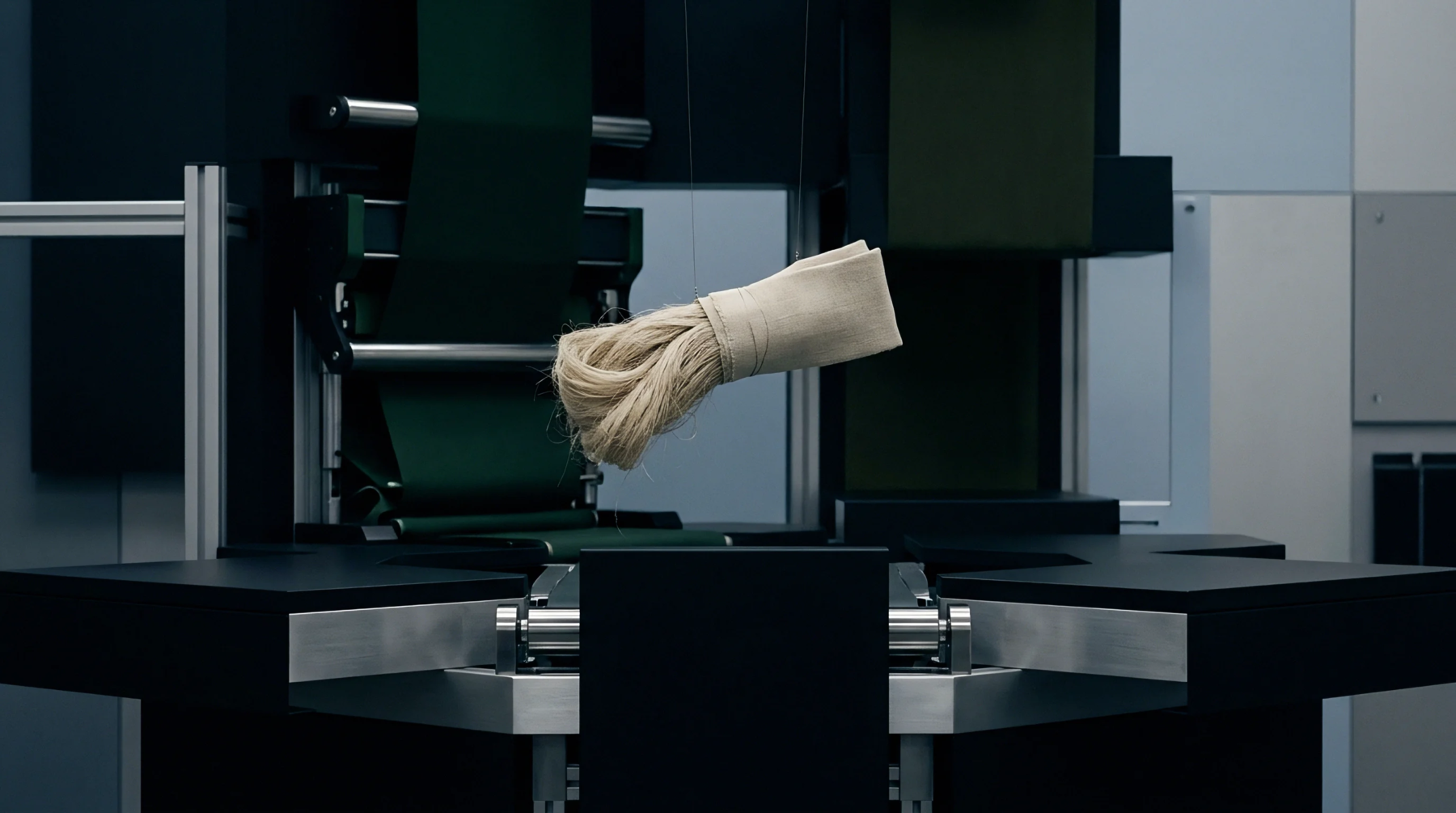
Controlling peak dynamic warp strain in fine linen weaving requires balancing backrest roller damping, shed geometry, and moisture to prevent yarn fatigue.
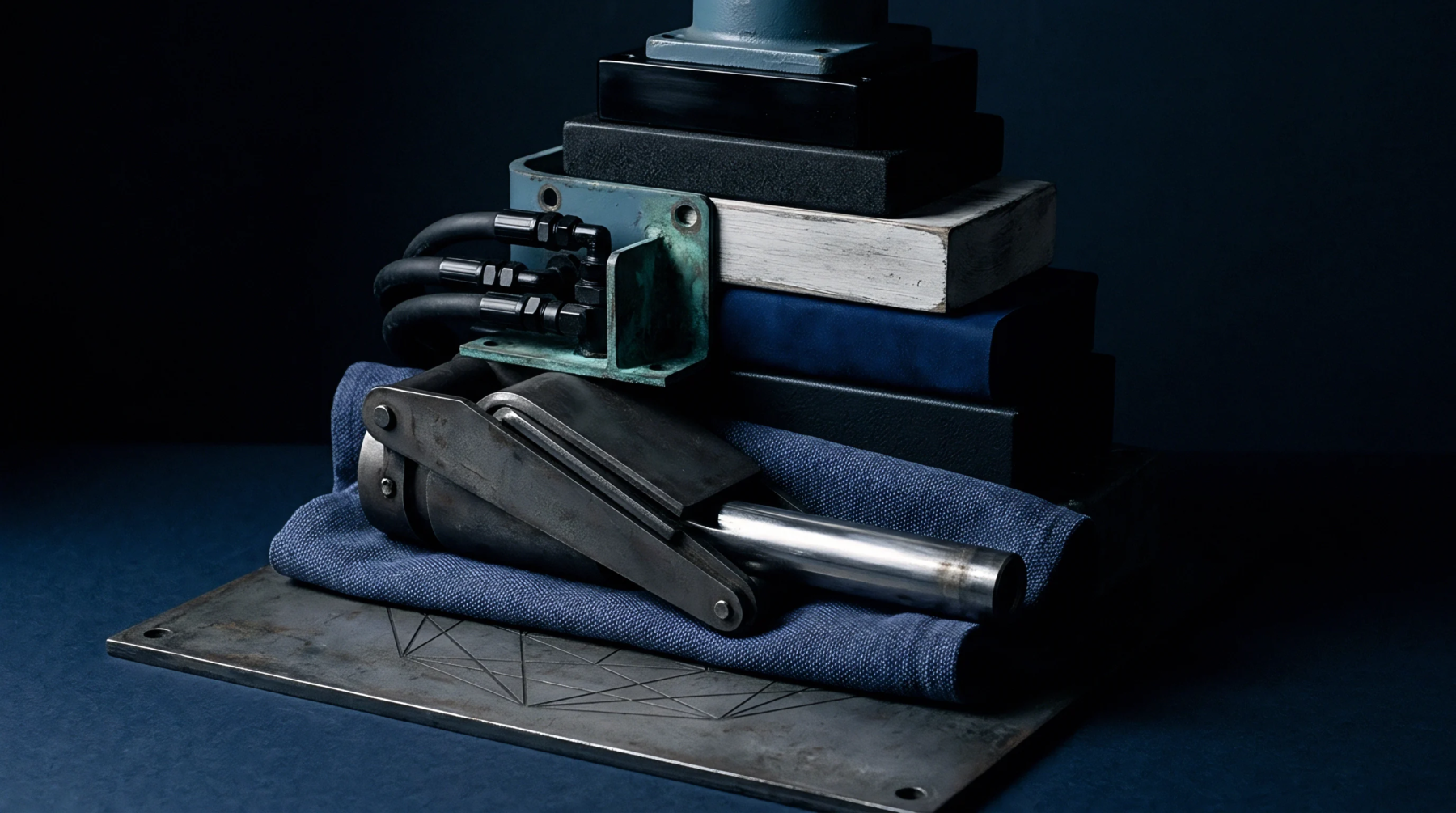
Calculating real landed fabric cost requires dividing hourly loom shed rates by efficiency-adjusted yield and adding verified yarn loss, finishing shrinkage, and freight.
Expertise is a utility, not a secret. sentiention™ publishes its working knowledge as open reference: intelligence layer covering the materials it sources, the markets it enters, and the reference that serves both.