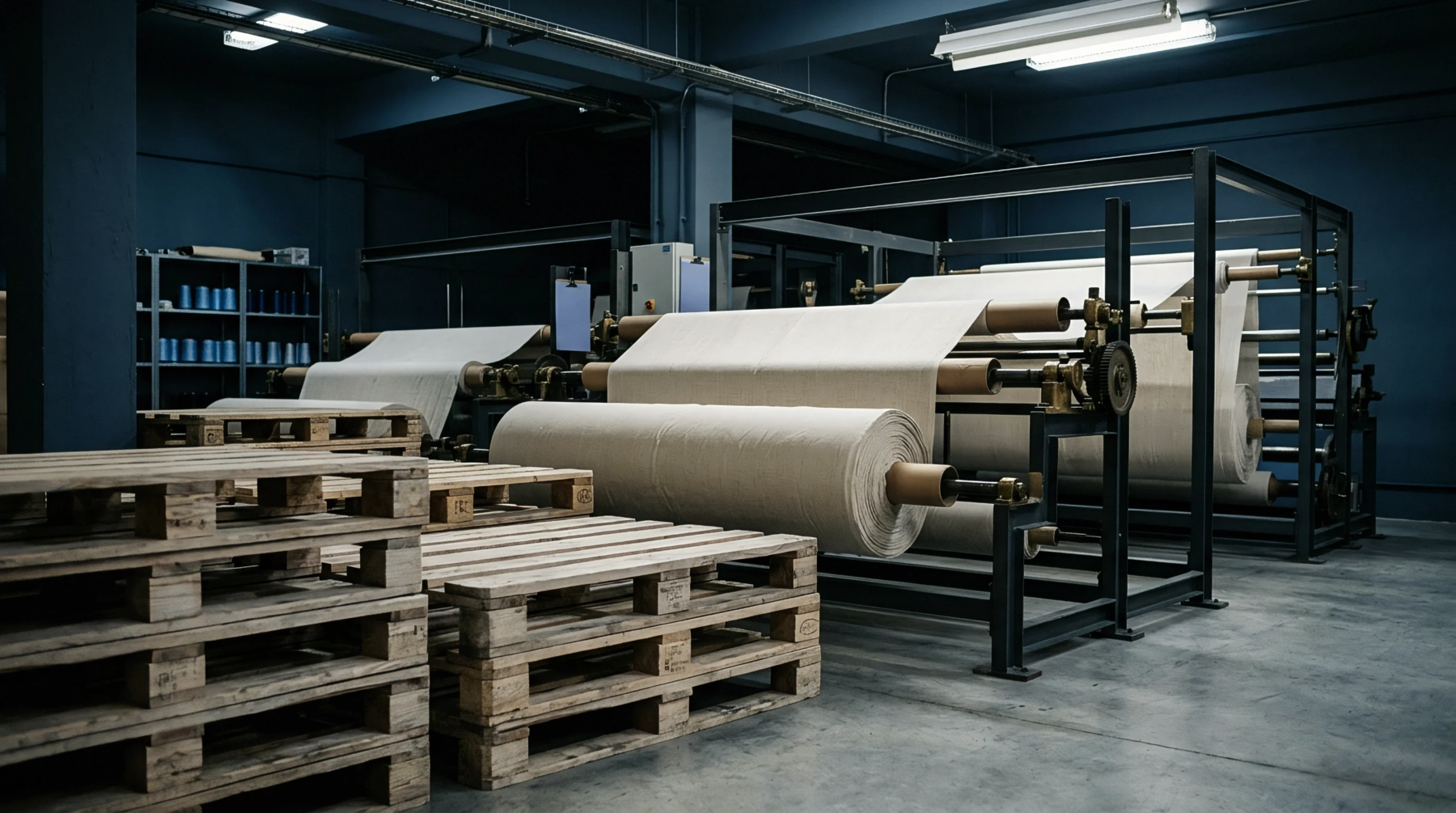
Optimizing Edge Crimp and Temple Settings for Wide Linen Warps
Balancing edge crimp on wide linen warps relies on matched temple pin inclination, selvedge denting gradients, and high ambient shed humidity.
Balancing edge crimp on wide linen warps relies on matched temple pin inclination, selvedge denting gradients, and high ambient shed humidity.
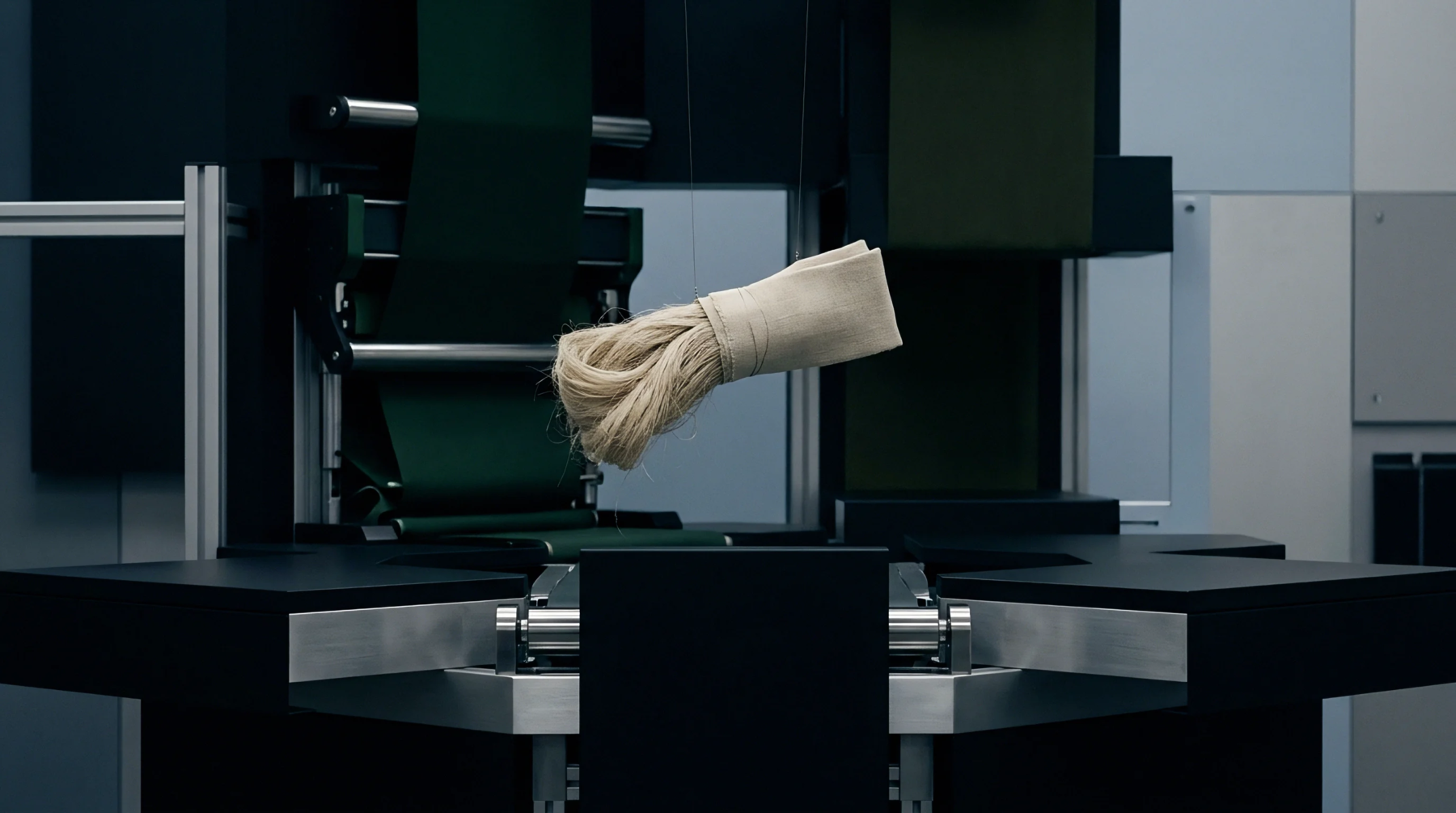
Sorption hysteresis alters landed fibre mass; import ledgers require ISO 6741-1 core dry-mass calculations to adjust raw invoice weights accurately.

Optimal hydromechanical control of ultra-dense flax warps relies on balancing pectin plasticization against radial swelling to minimize shear locking.

Dynamic localized psychrometric control sustains viscoelastic sizing compliance on bast warps, preventing film fracture and lifting loom speeds past 500 PPM.

Standard moisture regain formulas adjust raw flax invoice mass by converting weighed tonnage into bone-dry weight plus contractual water allowances.

Moisture regain directly alters yarn linear density, requiring strict shed humidity control and ISO 2060 dry mass corrections to stabilize rapier weaving mechanics and landed cloth costs.

Standard regain for scutched flax fibre is 12.00 percent, used to convert lab oven-dry mass into binding commercial invoice mass under ISO 6741.

Standard moisture regain correction normalizes hackled flax linear density back to twelve percent regain, preventing draw frame drafting errors and financial overpayment.

Flax moisture regain directly alters measured yarn count and fabric mass; accurate verification requires oven-drying to normalize weights against standard commercial regain allowances.
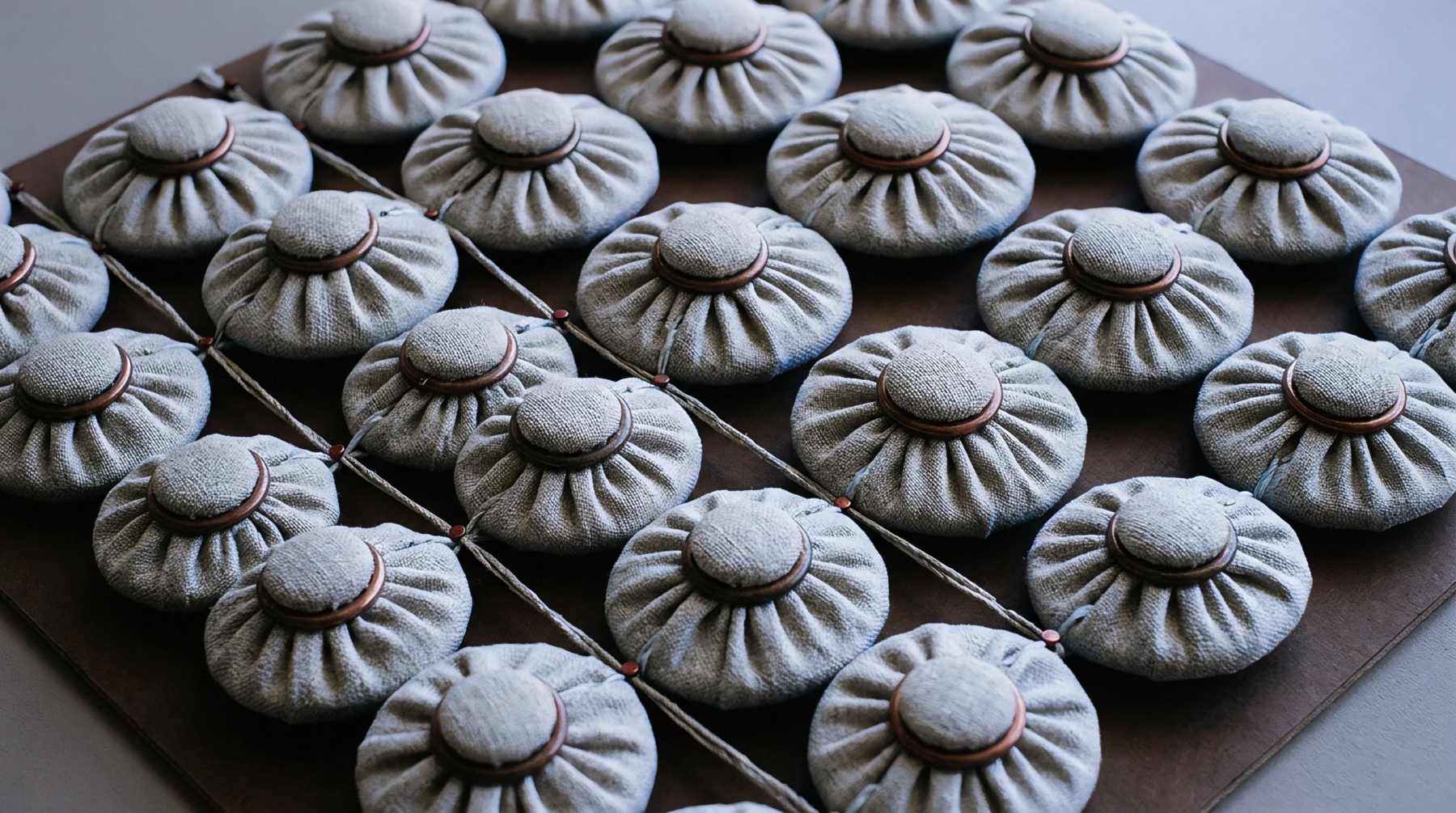
Fine wet spun linen warps perform best between 68 and 72 percent relative humidity, capping dynamic friction below 0.35 to prevent warp tension breaks.
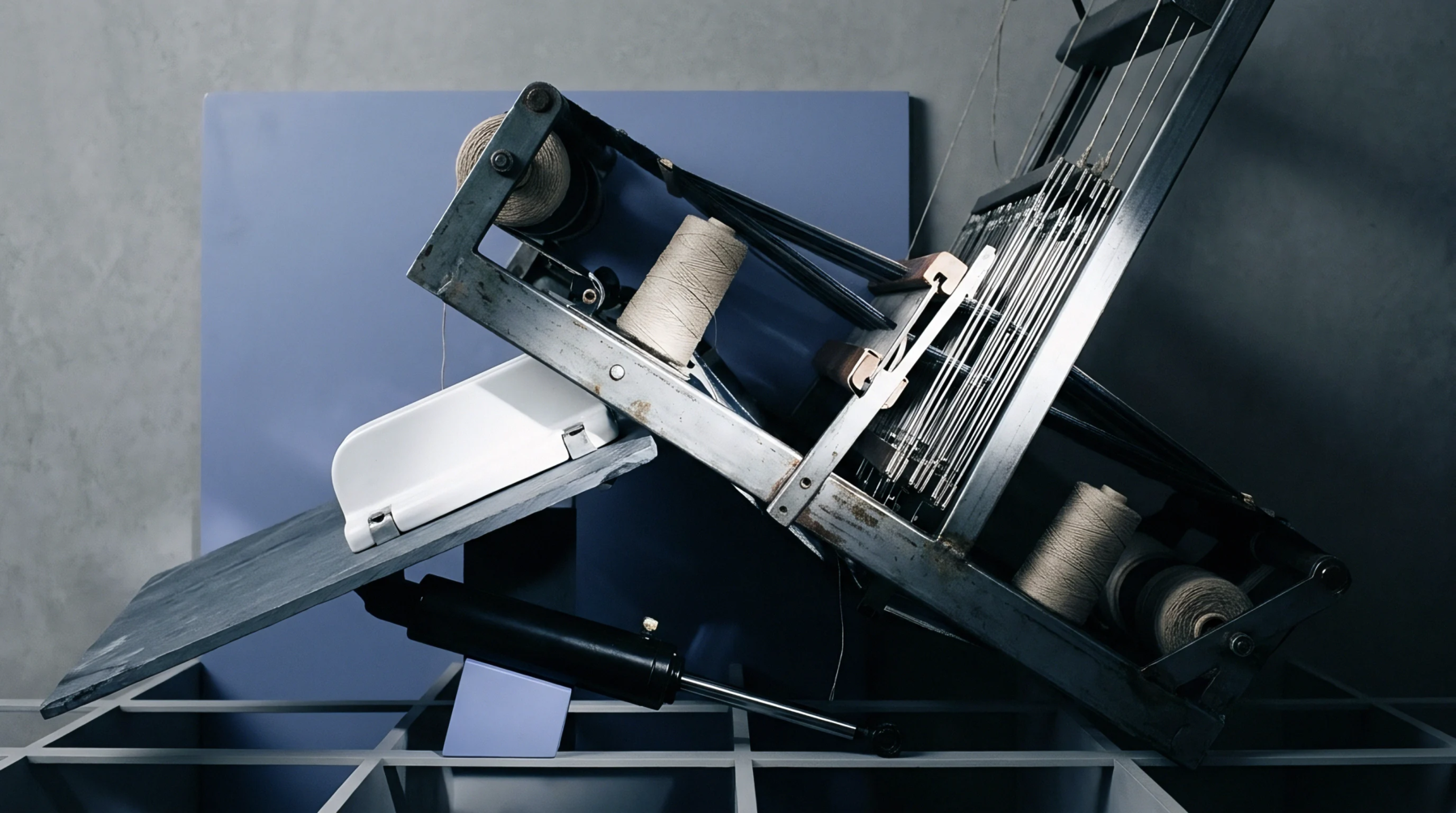
Optimizing warp sizing regain and loom shed humidity prevents brittle size film fracture, suppresses friction dusting, and maximizes high-speed weaving efficiency.
Expertise is a utility, not a secret. sentiention™ publishes its working knowledge as open reference: intelligence layer covering the materials it sources, the markets it enters, and the reference that serves both.