Mass Balance
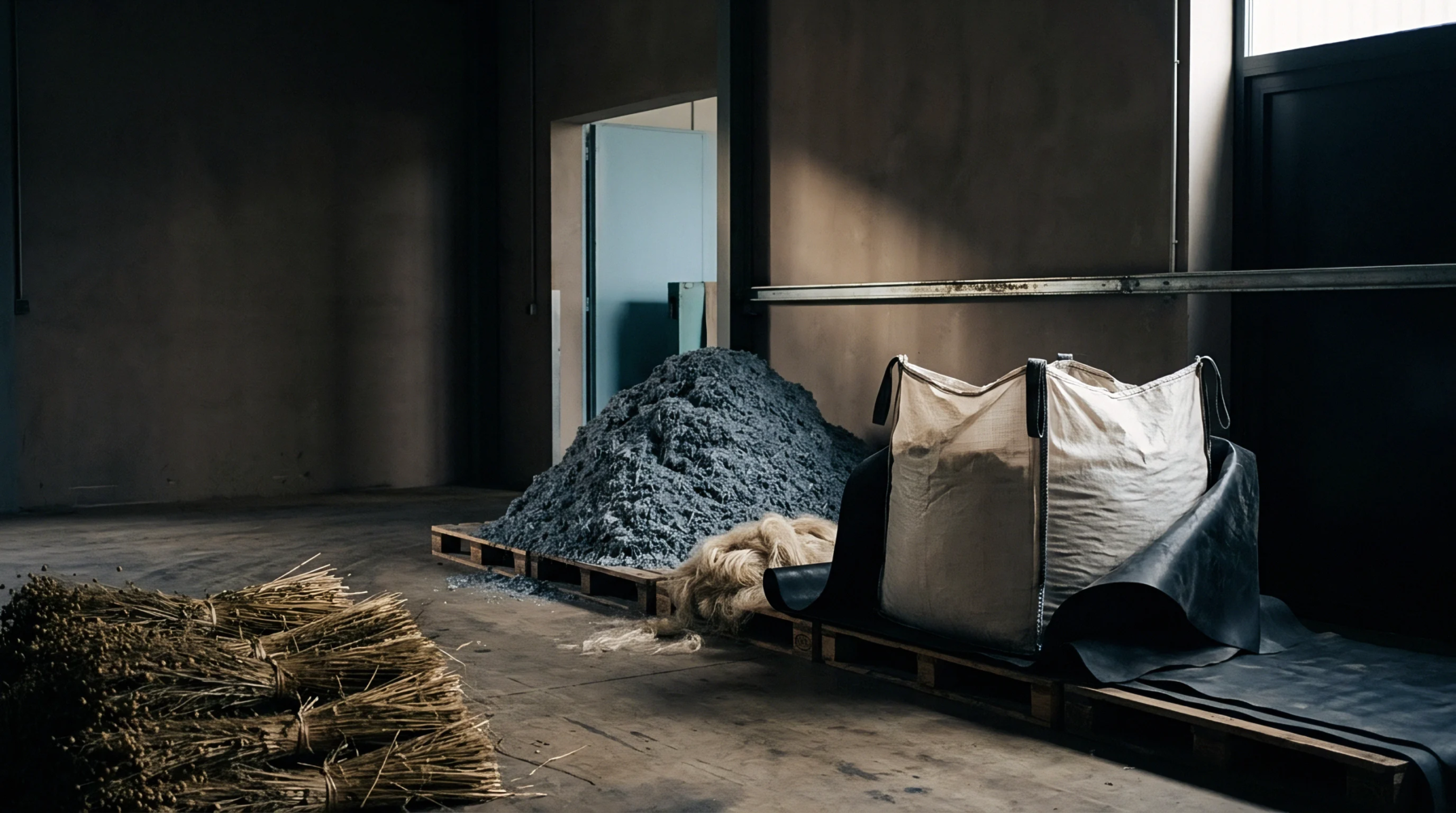
Raw material extraction during the preparation of linen fibre accounts for the total input weight before submersion. Wet spinning loss defines the difference between this initial dry mass and the final weight of the yarn produced through the aquatic process. Moisture absorption and the shedding of short fibres into the water bath create this variance.
Mills calculate this figure by comparing the weight of dry flax rovings against the output of wet-spun yarn after drying to a standard moisture regain.
Technical Boundary
Excessive material departure from the system signals inefficiencies in the mechanical drafting of the fibres or improper chemistry within the water troughs. Managers observe that a high rate of loss diminishes the yield from expensive raw inputs and alters the economics of the production run. This metric remains distinct from dry spinning waste, which occurs through friction on metallic parts rather than through submersion and solvent interaction.
Variations in fibre quality or the presence of excessive pectins impact the consistency of these results across different batches.
Production Quality
Records kept by the floor supervisor confirm the variance between the theoretical yield and the actual output as measured at the final winder. This documented discrepancy identifies the physical limit of efficiency for a specific line of machinery and water composition. Consistent monitoring allows the factory to separate normal operating losses from those triggered by equipment wear or faulty raw material preparation.
Precise control over this value ensures the final count remains within the contract specifications provided by the buyer.