Mass Balance Reconciliation for Long Line Flax in Chinese Wet Spinning
Reconciling wet-spun long line flax demands subtracting hot-bath pectin extraction loss and comb waste from certified fiber transaction receipts.
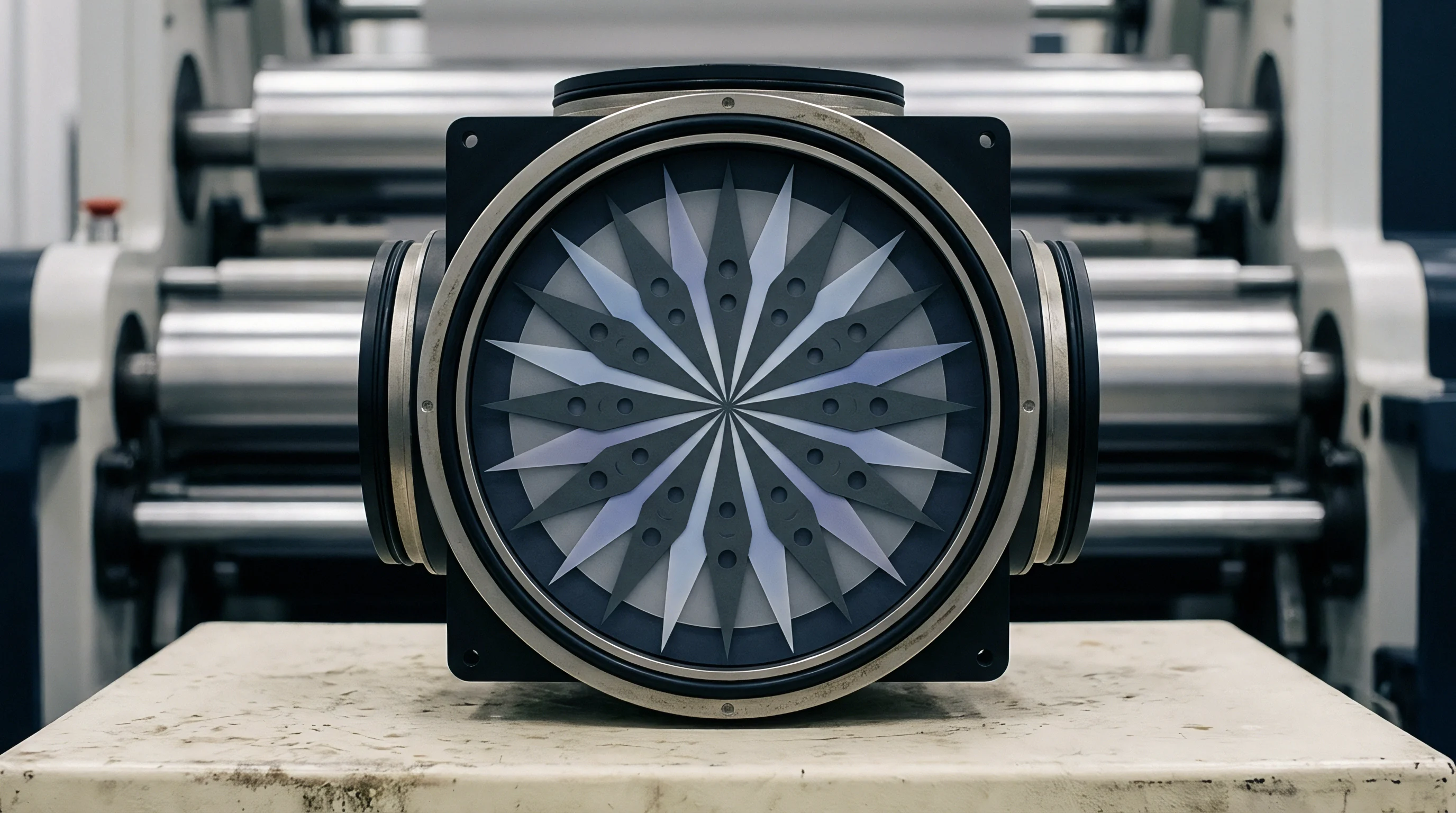

Hackle
Intake audits at Chinese wet spinning mills start with physical checks on imported scutched flax bales long before any fiber touches the comb pins. Raw long line flax lands at port facilities in tied bales marked with origin stamps, moisture tags, and shipping labels matched to European supplier invoices. Sourcing teams verify these physical markings against scope certificates from auditing bodies such as Bureau Veritas or Control Union.
While a valid scope certificate confirms the supplier is authorized to sell certified fiber, it lists no physical volumes for individual shipments. Actual operational validation depends on batch-specific transaction certificates issued under schemes like European Flax, which detail net dry weight, bale serial numbers, shipping vessel, and recipient mill identifiers.
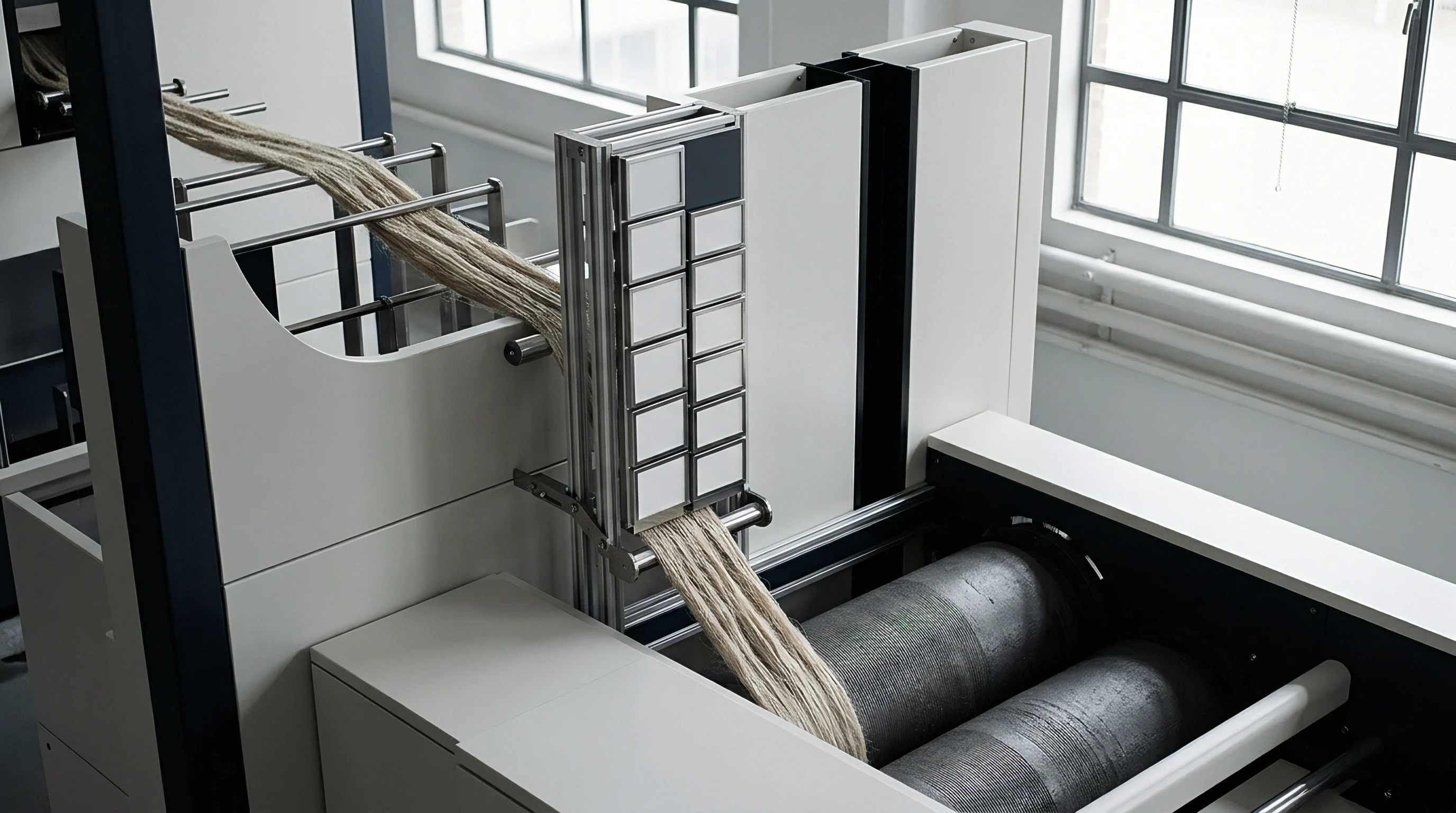
Combed Line Fiber Yield Dynamics
Mechanical hackling aligns raw scutched strands into parallel ribbons while combing out short fibers, residual shives, and dust. Running long line fiber through multi-stage hackling machines splits the material into hackled long line fiber and coarse comb tow. Hackling yield shifts according to retting quality, tensile strength, and ambient humidity in the prepare room.
Heavier retting weakens pectin bonds, which increases comb tow during pin splitting. Long line fiber yield generally lands between sixty-two and seventy percent of initial raw fiber mass, with the rest exiting as hackling tow or non-spinnable dust. Mills must balance these output proportions against incoming certified volumes to keep certified credits accurate downstream.
Uncertified fiber entering the comb room compromises certified runs unless the mill maintains strict physical segregation or runs a documented credit register. Floor audits regularly reveal points where physical fiber flow drifts away from ledger claims.
- Unlabeled bale receipts arriving without intact mill tags or batch serial numbers prevent positive verification against transaction documentation.
- Moisture content variances exceeding the standard twelve percent regain allowance create artificial weight discrepancies between port entry documents and mill intake registers.
- Co-mingled comb waste combining certified long line tow with non-certified processing waste destroys the chain of custody for coarse yarn spinning streams.
- Unregistered subcontract hackling executed at external processing units breaks physical batch tracking between bale opening and roving frame loading.

Transaction Certificates at Fiber Intake
Validating incoming fiber involves checking customs entry declarations against certifier databases. Import customs forms at Chinese ports record net mass, Harmonized System code 5301.21 for raw or scutched flax, and the declared port of origin. Audit protocols require a direct match between the customs bill and the transaction certificate serial number; a discrepancy on either document invalidates the lot’s certified status.
Wet spinning mills in China often buy mixed consignments of certified European flax and uncertified regional fiber. If a mill blends these during hackling without running dedicated, physically isolated shifts, the yarn cannot carry physical segregation claims. The mill must then switch to a mass balance credit system based on fixed conversion factors.
Discrepancies in intake weight are frequently attributed to transport moisture loss during transit from European ports.


Credit
Textile supply chain ledgers use balance calculations to trace certified raw mass across successive processing stages. Under a mass balance model, spinning mills can run certified and non-certified flax on the same equipment without continuous physical separation. The mill logs incoming certified fiber as a credit, then applies standard yield factors to determine the volume of certified yarn it can sell.
This gives the plant operational flexibility while maintaining volume equivalence across the market. Under standard scheme rules, certified yarn allocations cannot exceed accumulated fiber credits over rolling claim periods capped at twelve months.

Mass Balance Bookkeeping Mechanics
To keep the ledger accurate, raw input mass must be discounted for process waste across each mechanical step. Raw scutched line flax yields hackled line, combed tow, and unspinnable shive waste, requiring distinct conversion factors for each output stream. A mill processing ten metric tonnes of certified scutched flax cannot credit ten metric tonnes of certified line yarn.
These conversion factors come from baseline production trials at the plant, while balance registers log inputs, internal transfers, waste write-offs, and outgoing transaction certificates in real time.
Auditors verify daily weighbridge logs against processing registers. The table below outlines standard mass balance allocation factors across preparation and wet spinning stages for long line flax.
| Stage | Fiber Mass Input (kg) | Non-Certified Co-Product (kg) | Net Certified Factor | Stage Yield (%) |
|---|---|---|---|---|
| Scutched Bale Intake | 10,000 | 0 | 1.000 | 100.0 |
| Hackling and Combing | 10,000 | 2,800 (Comb Tow) | 0.680 | 68.0 |
| Drawing and Roving | 6,800 | 204 (Sliver Waste) | 0.659 | 97.0 |
| Hot Bath Pectin Loss | 6,596 | 231 (Soluble Mass) | 0.636 | 96.5 |
| Ring Wet Spinning | 6,365 | 140 (Flyer Scrap) | 0.622 | 97.8 |
| Winding and Clearing | 6,225 | 68 (Yarn Cuts) | 0.615 | 98.9 |
| Method Note: Ratios calculated at 12.0% standard moisture regain per ISO 6741 standards. Non-certified co-products are credited to separate tow yarn ledgers or secondary industrial uses. | ||||

Blended Batch Allocation Thresholds
Blending fiber origins in a single roving strand requires clear percentage credit calculations. For a lot spun from sixty percent certified European long line flax and forty percent uncertified Asian flax, certification standards allow two accounting routes. The mill can sell the entire batch under a blended percentage label, or apply mass balance allocation to sell sixty percent of the total volume as one hundred percent certified yarn and the remaining forty percent as conventional.
Double counting between these routes is prohibited, and transaction certificates for mass balance lots must state that the product was verified through credit allocation rather than physical segregation.
Physical isolation of raw materials eliminates ledger allocation discrepancies during yarn audit reviews.
Auditors follow a standard sequence when reviewing mill credit registers against production output:
- Verify raw material intake weights against certified supplier transaction certificates and customs clearance receipts.
- Calculate total accumulated certified mass credits in the mill ledger for the active accounting quarter.
- Deduct baseline mill process loss percentages, including hackling tow and pectin extraction losses, from accumulated raw credits.
- Compare total issued outgoing transaction certificates against net available mass credits in the register.
- Cancel expired mass credits that exceed the twelve-month rolling ledger limit.
Will European regulators continue to allow mass balance credit transfers between geographically separated mills operating under a single corporate parent?


Shrinkage
Mass loss during wet linen manufacturing comes from both mechanical waste separation and chemical dissolution of non-cellulosic fiber constituents. Scutched flax strands consist of ultimate bast fiber bundles held together by pectins, hemicelluloses, and lignin. While hackling and drawing remove physical matter without altering fiber chemistry, wet spinning relies on a thermal extraction step to permit fine strand drafting.
Roving packages wound onto perforated plastic bobbins are immersed in hot water, dissolving surface pectins so ultimate fibers slide past each other during ring drafting.

Does Wet Roving Extraction Alter Mass Balance Limits?
Soaking flax roving in treatment baths between eighty and ninety degrees Celsius extracts water-soluble pectins and residual waxes. Chemical mass loss during this stage usually accounts for three to four and a half percent of dry roving weight. Higher temperatures and longer soak times extract more pectin, producing finer yarn at the expense of total yield.
Reconciliation models that overlook bath extraction overstate net spinning capacity, which is why audit standards require mills to base mass balance calculations on dry fiber mass adjusted for chemical losses rather than gross grey yarn weight off the frame.
Hot water roving treatment removes approximately three point five percent of raw strand mass through pectin dissolution prior to ring spinning.
Moisture swings complicate reconciliation between production steps. Raw flax has an official standard moisture regain of twelve percent, but fresh wet-spun yarn packages can exceed thirty percent moisture before dryers bring them back to commercial levels. These swings obscure true fiber loss unless the lab measures oven-dry weights on every lot per test methods like ISO 6741.

Worked Process Loss Calculation
Examining mass loss on a sample run shows how raw intake translates to certified yarn output. The example below tracks a ten-tonne consignment of certified scutched long line flax spun into Metric Count 26 wet-spun yarn, accounting for comb tow removal and hot bath pectin dissolution.
| Process Stage | Mass Intake (kg) | Loss Mechanism | Mass Output (kg) | Cumulative Yield (%) |
|---|---|---|---|---|
| Bale Opening | 10,000 | Moisture Adjustment (0%) | 10,000 | 100.0 |
| Hackling Comb | 10,000 | Comb Tow & Dust Scrap | 6,800 | 68.0 |
| Roving Draw Frame | 6,800 | Sliver Ends & Doubling Waste | 6,636 | 66.4 |
| Hot Water Soak | 6,636 | Pectin Dissolution (3.5%) | 6,404 | 64.0 |
| Wet Ring Frame | 6,404 | Flyer Waste & Ends Down | 6,263 | 62.6 |
| Cone Winding | 6,263 | Yarn Clearer Cuts | 6,170 | 61.7 |
Mechanical combing diverts 3,200 kilograms of raw intake into short-fiber tow, removing it from the long line yarn balance. Wet processing then dissolves an additional 232 kilograms of pectin in the roving bath, and flyer waste and winding cuts take out another 234 kilograms. The final yield of certified long line wet-spun yarn is 6,170 kilograms from the original 10,000 kilogram consignment.
The mill’s mass balance ledger must therefore record a net conversion factor of 0.617 for this count, as claiming a higher factor would lead to over-issuing transaction certificates.
Yield factors calibrated in summer humidity require recalibration in winter, when mill heating accelerates floor evaporation rates.


Register
Verifying fiber provenance depends on cross-checking records generated across borders by independent entities. Auditing Chinese wet spinning mills involves matching ERP floor logs against certifier transaction certificates. The chain of custody covers raw material purchases, logistics, customs valuation, internal processing, and final billing; a break at any link invalidates downstream claims.
A complete audit file must align weighbridge tickets, customs filings, mill batch routing slips, and outgoing commercial invoices.

Customs Declaration and Batch Reconciliation
Cross-border flax consignments entering Chinese ports require formal declaration under specific tariff codes. Customs brokers enter raw scutched flax under Harmonized System code 5301.21, and spun yarns under 5306.10 for single yarns or 5306.20 for multiple yarns. Audit teams verify imported volumes against entry records on the Chinese Single Window platform.
The net weight declared to customs sets the legal ceiling for certified raw intake: if a mill receives ten tonnes of flax but declares eight tonnes to lower duties, the certified ledger can credit only eight tonnes.
Under ISO 17065 auditing rules, an unverified mill weighbridge ticket invalidates the downstream transaction certificate for that spinning batch.
Mismatches between official trade data and mill ledgers create compliance liabilities in destination markets, where North American and European import regulations mandate thorough origin documentation.

Auditing Physical Warehouses against Ledgers
Physical inventory audits require counting bales, roving bobbins, and yarn packages on-site and checking their lot tags against system records. Bales in storage need weather-resistant tags detailing bale number, net mass, lot code, and producer ID. Without intact tags, physical stock cannot be matched to certified intake entries.
Auditors also check floor storage to verify physical separation between certified European fiber lots and conventional regional stock.
- Documentary match gap occurs when commercial invoice weights exceed transaction certificate certified weights due to non-certified weight inclusions.
- Batch routing failure occurs when mill production orders omit raw material lot numbers, preventing trace-back from finished yarn cones to raw bale tags.
- Unreconciled yield drift occurs when recorded yarn output exceeds theoretical yield limits calculated from raw fiber input ledgers.
- Missing weighbridge logs prevent independent verification of gross scale weights upon initial truck delivery to mill bale stores.
Standard purchasing contracts in international trade include specific audit rights clauses to guarantee buyer access to mill accounting systems. Section 4.2 of the International Linen Sourcing Agreement specifies: “The Buyer reserves the right to conduct unannounced physical audits of raw material stores, spinning production logs, and mass balance ledgers; any undocumented volume divergence exceeding two percent of contracted batch mass grounds immediate cancellation of outstanding delivery schedules without penalty.”


Remedy
The fallout from provenance failures reaches well beyond administrative adjustments in a ledger. When an audit reveals mass balance discrepancies, affected yarn batches lose certification on the spot, creating financial liabilities for the mill, downstream weavers, brands, and importers. Importers risk border seizures, regulatory fines, and mandatory relabeling if yarn origin cannot be verified through traceable records.
Sourcing contracts outline specific liabilities and corrective actions for breaches of provenance warranties.

Contractual Warranty Defenses
Sourcing agreements use warranty clauses to allocate compliance risks to the spinning mill. A standard provenance warranty requires the supplier to maintain certification under recognized schemes, supply valid transaction certificates for each shipment, and keep mass balance registers open for independent audit. If a mill fails an audit, warranty terms allow the buyer to downgrade the yarn to conventional status and adjust invoice amounts.
Certified European flax yarn trades at a fifteen to thirty percent premium over uncertified conventional linen yarn depending on market supply, and buyers recover this difference through retroactive credit notes or deductions.
Customs authorities inspect physical strand character to verify non-preferential origin claims on imported grey yarn shipments.
Enforcing these remedies relies on clear evidence from formal audit reports. Contracts typically obligate mill management to cover secondary losses, including testing costs, legal fees, and customs inspection charges arising from compliance reviews.

Customs Reclassification Surcharges
Misdeclaring product origin or certification on import forms carries severe legal consequences under customs law. Under the substantial transformation principle, spinning imported raw flax into yarn in China confers Chinese non-preferential origin to the finished yarn under Harmonized System rules. Claiming European origin for yarn spun in China simply because the raw fiber was grown in Europe violates trade labeling laws in major markets.
Customs authorities penalize mislabeled shipments through administrative fines, duty surcharges, and entry rejections. If an importer claims European origin for yarn wet-spun in Jiangsu, authorities reclassify the shipment under Chinese tariff schedules. The importer faces back-duty assessments and civil penalties up to twice the domestic value of the goods under US Customs Regulations 19 CFR 159 or European Union Customs Code Article 125.
Reconciled mass balance records serve as the primary defense against misclassification claims during regulatory inquiries.
Failure to reconcile physical fiber loss against issued transaction volume exposes the importer to civil fraud penalties under border enforcement statutes.