
Modeling Viscoelastic Attenuation and Hydrodynamic Drag Kinetics in Ultra-Fine Flax Wet Drafting Troughs
Heating wet drafting bath fluid to 68°C balances pectin relaxation with hydrodynamic drag, stabilizing Nm 80 flax drafting tension below 0.12 N.
Heating wet drafting bath fluid to 68°C balances pectin relaxation with hydrodynamic drag, stabilizing Nm 80 flax drafting tension below 0.12 N.
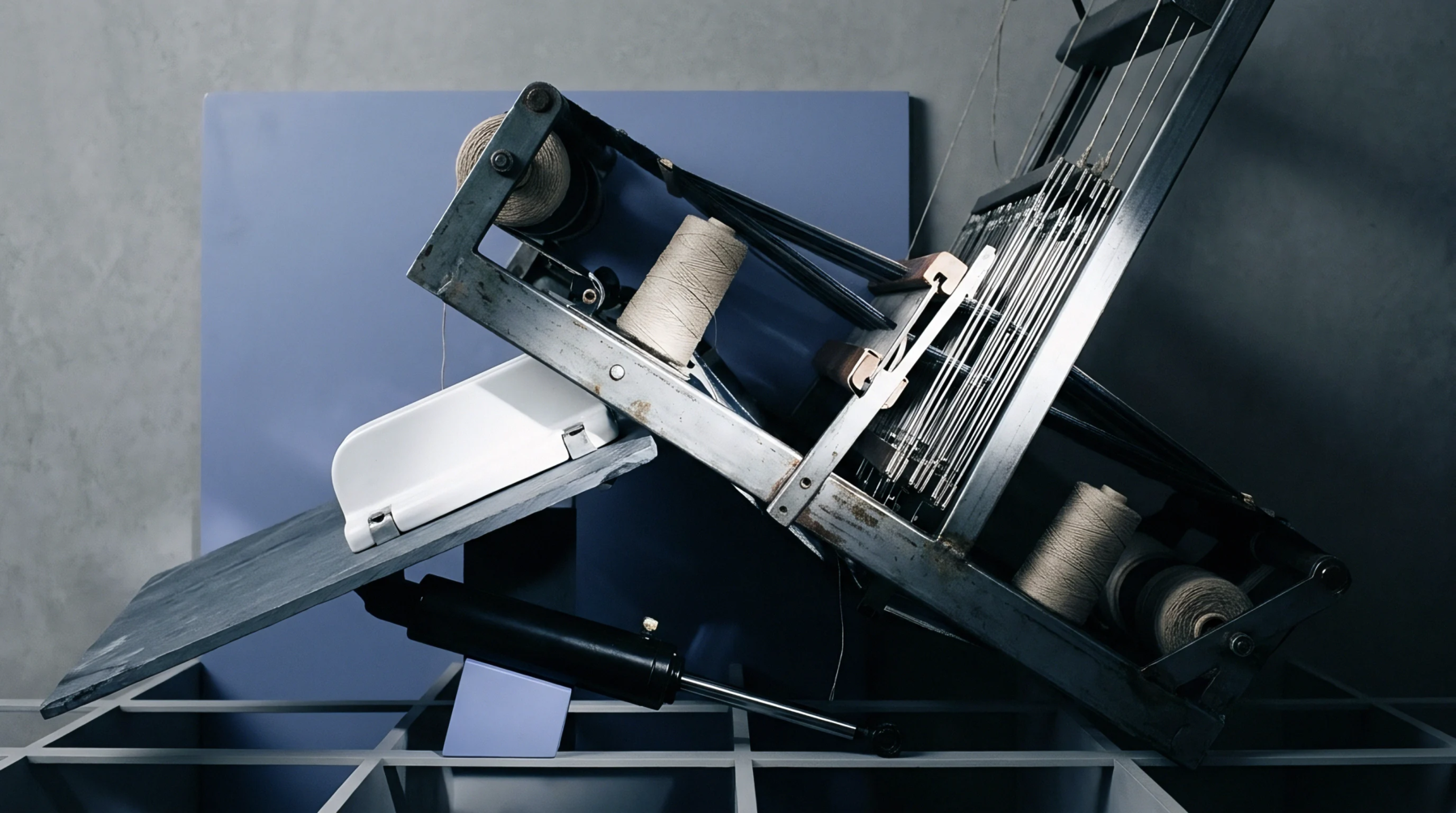
Non-isothermal humidity gradients drive non-linear capstan tension amplification in high-density linen sheds, increasing end break rates unless controlled.
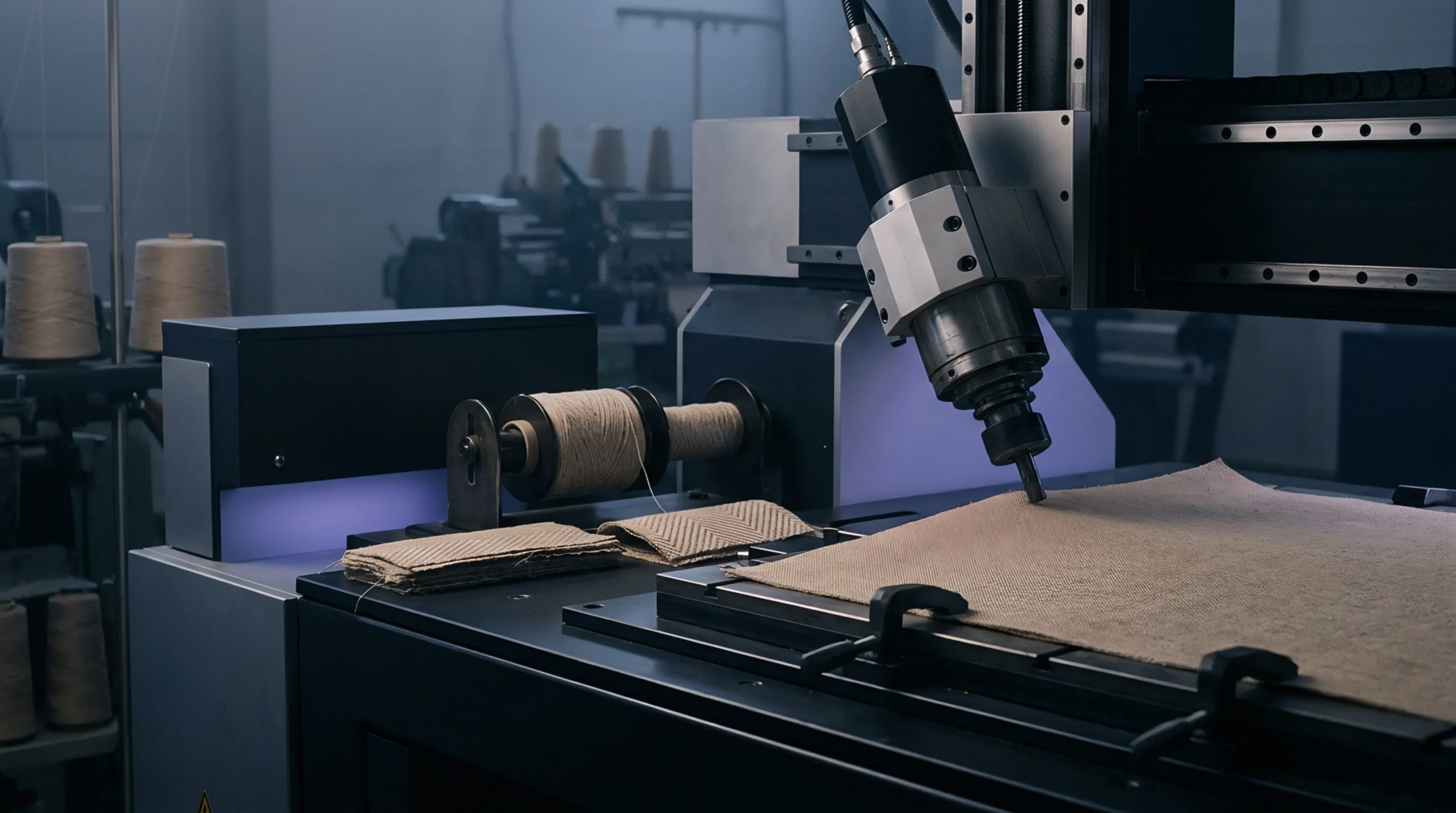
Maintain localized shed humidity at 72-78% RH at 21°C dry bulb with 5-10 micron fogging to achieve 12% regain and prevent warp breaks in high-speed flax weaving.

Spectrogram thresholds for flax sliver autolevelers must isolate the broad drafting wave from sharp mechanical chimneys, restricting draft corrections to wavelengths above two metres.

Hackling yield directly establishes net fiber input costs, where a one percent yield gain lowers landed yarn expense by over two percent per finished meter.

Flax roving wet spinning attenuation defects stem from improper hot-water pectin softening and front roller nip slip, manageable through precise temperature and pressure control.
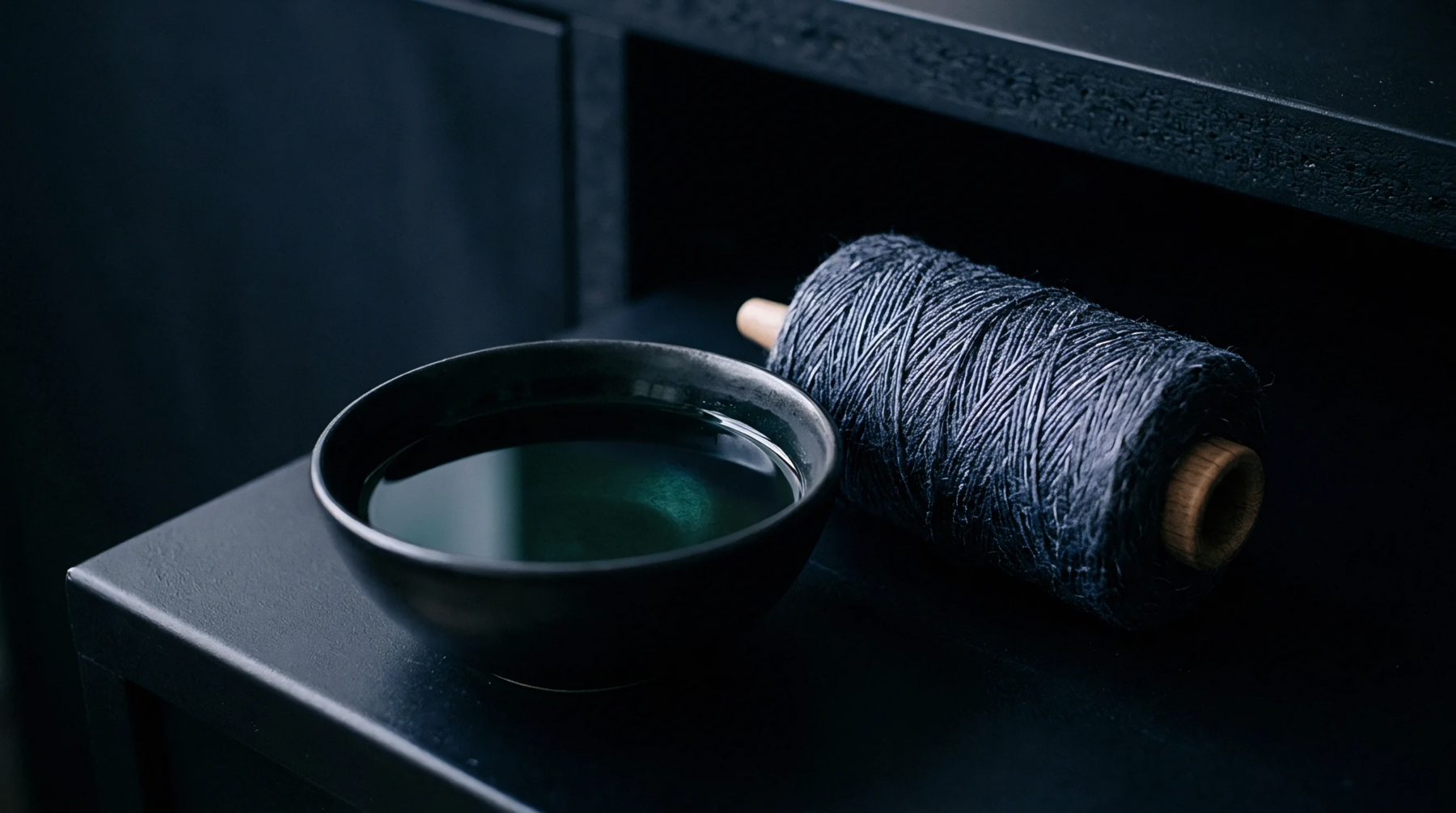
HPLC tracking of trough liquor sugar release limits hemicellulose hydrolysis, preserving flax bundle cohesion and yarn tenacity during high-speed wet spinning.

Flax fibre grading determines spinnable yarn count, where hackling yield and fibre fineness dictate wet-spinning efficiency and landed cost per metre.

Wet-spun flax yarn commands higher per-kilo pricing due to hackling loss, while dry-spun tow yarn offers cost efficiency for counts under twenty metric.
Specify long-staple line flax and wet spinning in purchase contracts to prevent spinners from substituting short tow fibre into ambiguous metric yarn orders.

Fine wet spun linen warp yarns demand a minimum unsized tenacity of 19 cN/tex and a Weibull modulus above 9.0 to survive loom shedding strain without snap.

Accurate measurement of flax fiber length distribution requires converting between numerical count and mass-weighted metrics to control drafting waves.

Evaluating scutched flax length distributions using comb arrays identifies short fiber fractions and predicts hackling line yield before spinning.

Metric fibre number claims require ISO 2370 gravimetric verification because airflow instruments skew up to fifteen percent across retting types and moisture regains.
Expertise is a utility, not a secret. sentiention™ publishes its working knowledge as open reference: intelligence layer covering the materials it sources, the markets it enters, and the reference that serves both.