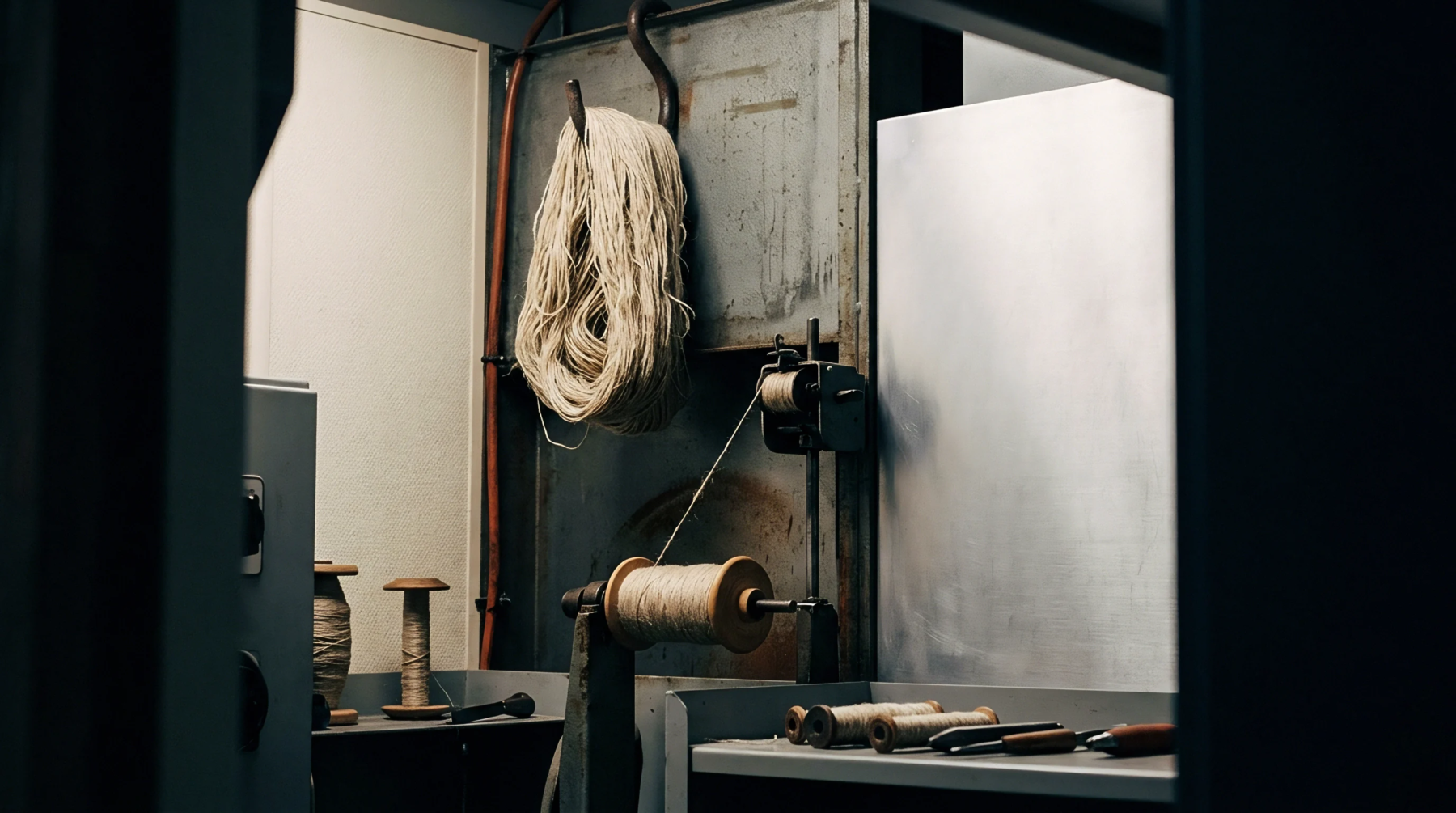
Modeling Viscoelastic Attenuation and Hydrodynamic Drag Kinetics in Ultra-Fine Flax Wet Drafting Troughs
Heating wet drafting bath fluid to 68°C balances pectin relaxation with hydrodynamic drag, stabilizing Nm 80 flax drafting tension below 0.12 N.
Heating wet drafting bath fluid to 68°C balances pectin relaxation with hydrodynamic drag, stabilizing Nm 80 flax drafting tension below 0.12 N.

Cross-sectional area variance in wet spun flax roving governs drafted yarn tenacity and dictates final metre price through end breaks and second-quality fabric.
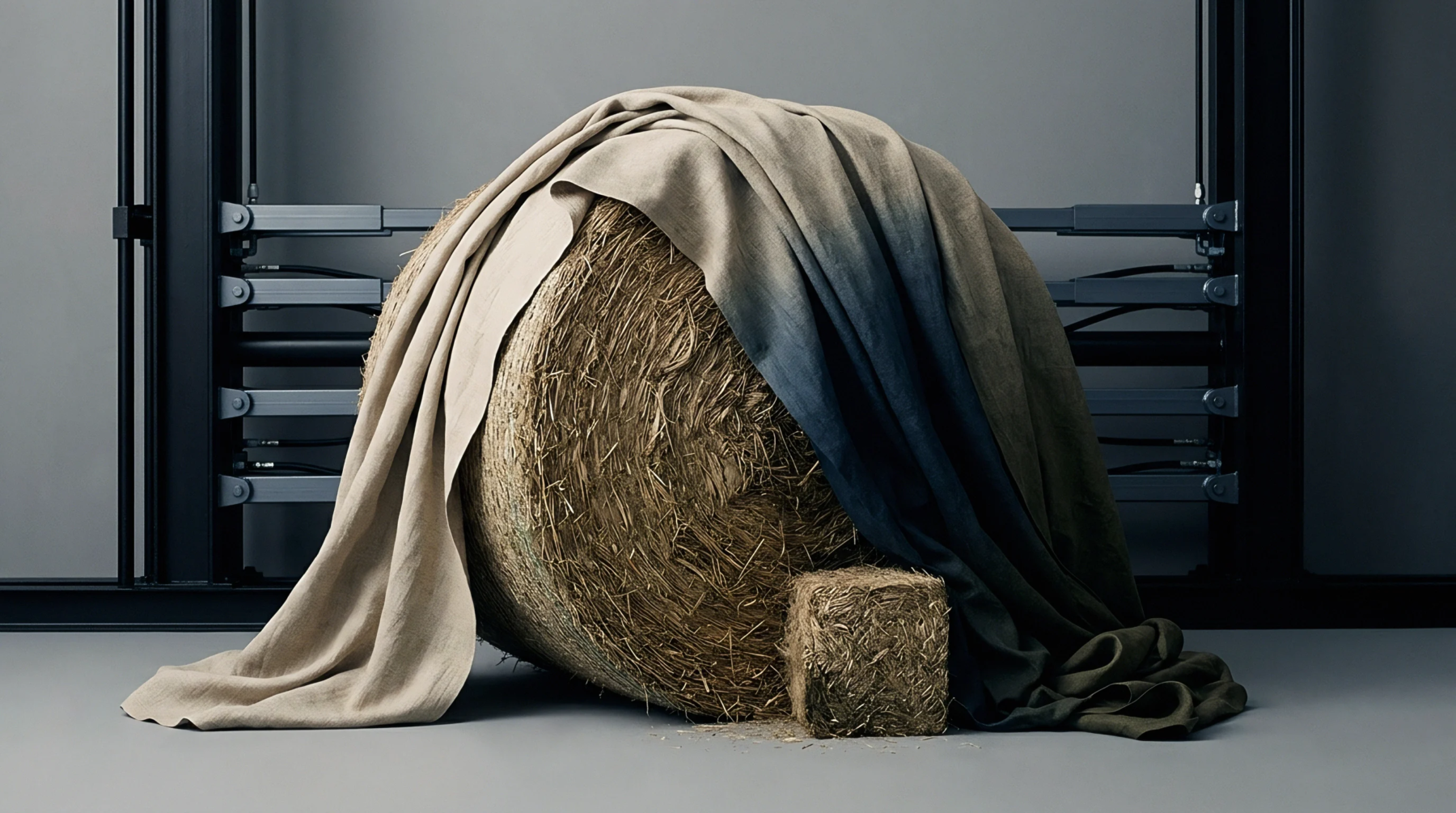
Radial viscosity gradients dictate fibre separation dynamics in wet drafting; unsoftened core bundles generate severe mass irregularity at speeds over 200 m/min.
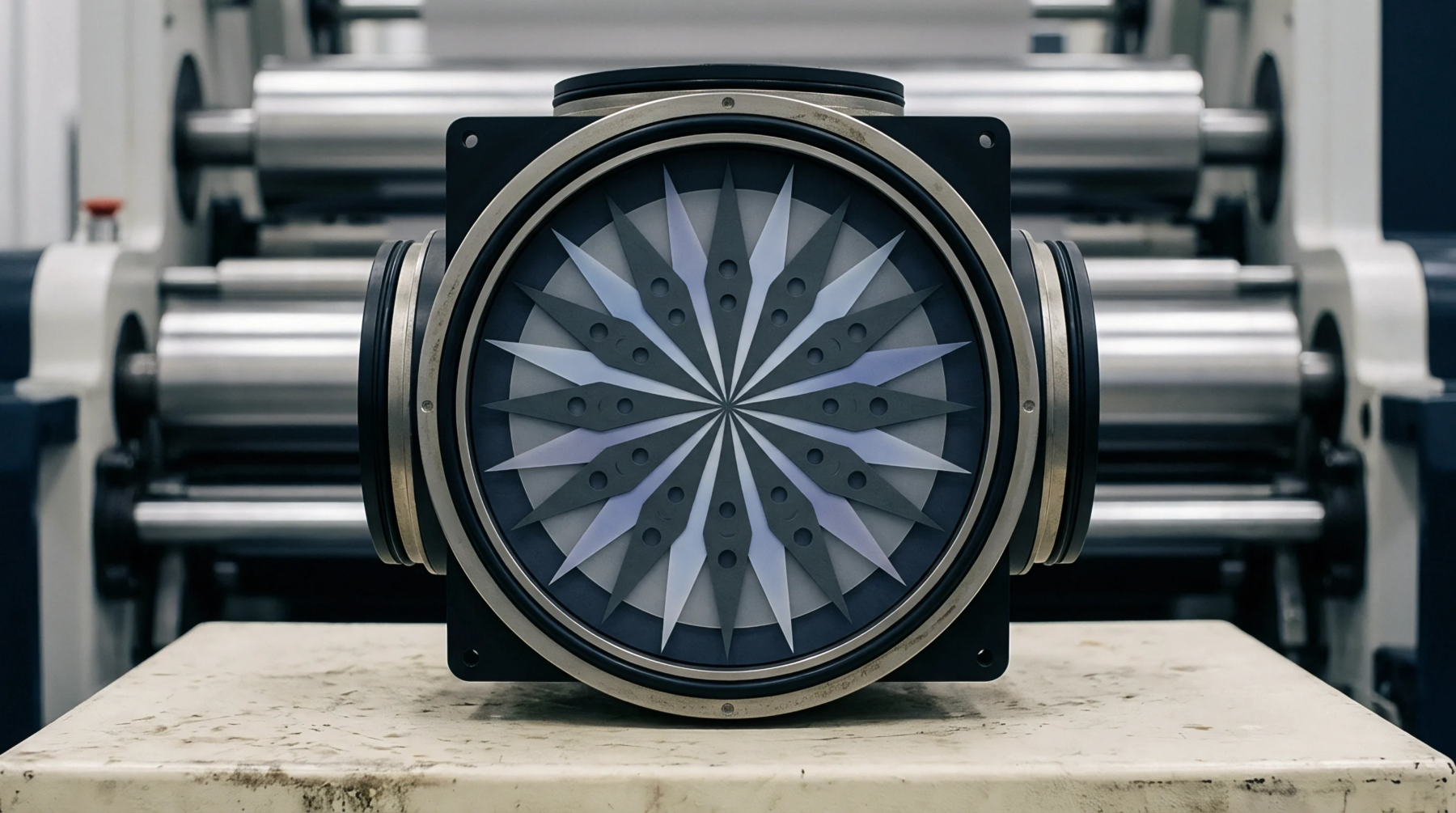
Controlled staple cut length and narrow decitex distributions below twenty-two decitex prevent card loading and sustain spinning frame efficiency.
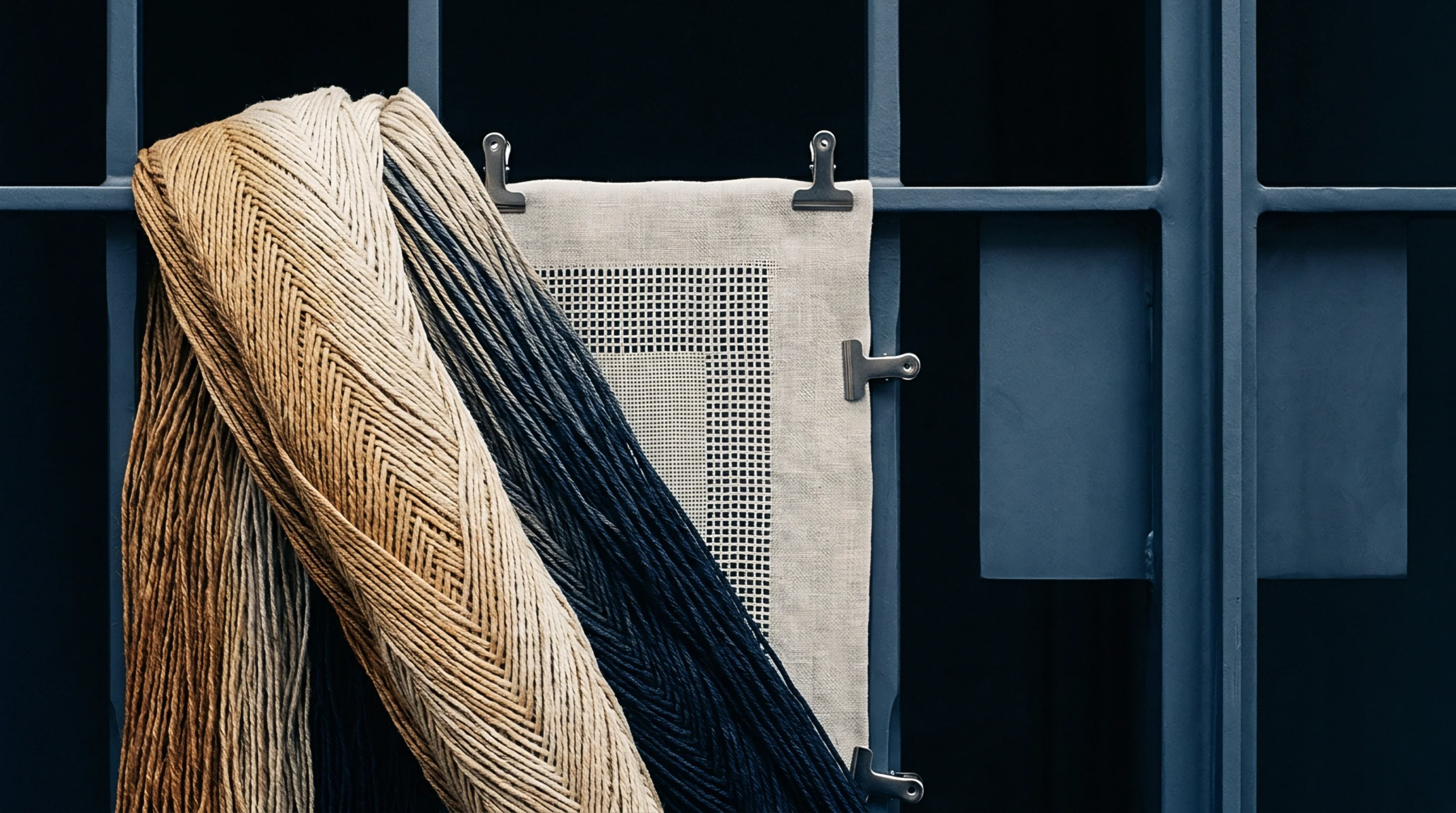
Spectrogram thresholds for flax sliver autolevelers must isolate the broad drafting wave from sharp mechanical chimneys, restricting draft corrections to wavelengths above two metres.
Dry spinning flax intake standards require strict bundle fineness under 2.2 tex, residual shive below 0.8 percent, and 11 percent target moisture regain.
Optical microscopy of resin-embedded cross sections determines true technical flax bundle widths, separating spinnable fine line from coarse drafting defects.

Verify conditioned skein count, capacitive CVm evenness, and cone hardness against ISO tolerances to stop defective flax yarn before freight release.
Trough water at 70°C hydrolyzes middle lamella pectins to permit inter-fibre slippage, enabling high mechanical drafts down to fine linear yarn counts.
Expertise is a utility, not a secret. sentiention™ publishes its working knowledge as open reference: intelligence layer covering the materials it sources, the markets it enters, and the reference that serves both.