Field Preparation
Microbial breakdown of pectin substances in flax stalks occurs when these stems remain in open fields through natural humidity cycles. Dew-retted flax involves leaving the harvested crop exposed to ground moisture, fungi, and sunlight for several weeks until the outer straw separates from the internal bast fibres. This biological process removes the plant gums that bind the fibre bundles together to the woody core.
Fungal colonies consume the binding agents while the stalks remain in contact with soil moisture during cycles of evening condensation and daytime evaporation. The result produces a fibre of darker colouration and softer texture compared to methods using water immersion.
Grade Classification
Fibre quality depends upon the duration of field exposure and the consistency of ambient climate conditions during the retting period. Mills designate this material based on colour uniformity, fineness, and the absence of over-retted or under-retted sections. Buyers verify these characteristics by examining samples for residual straw content and the strength of the cellulose bundles.
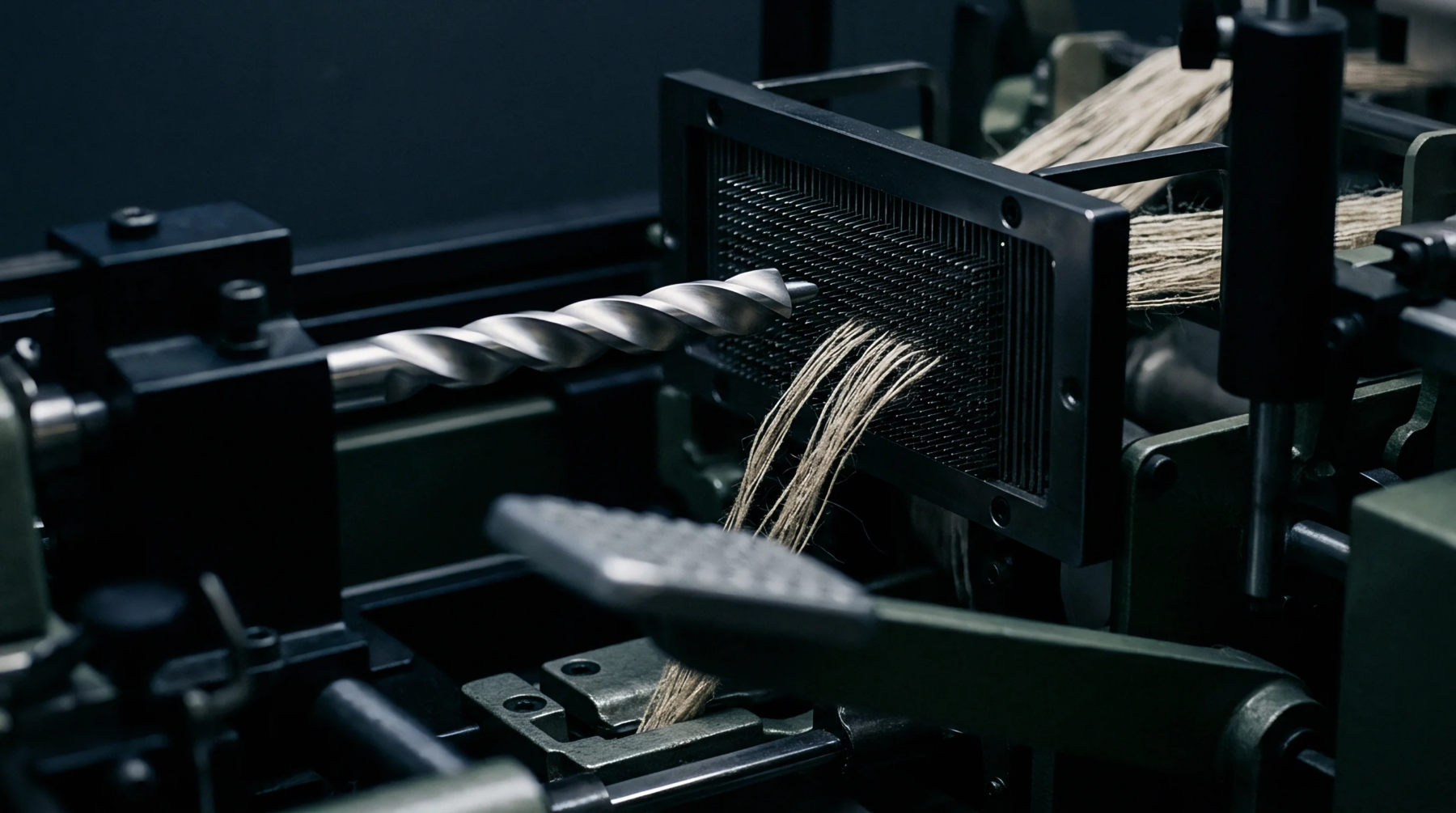
High consistency in the initial field treatment allows the spinning machines to produce a more uniform yarn diameter during processing. Grading occurs before the fibre enters the scutched bale format for shipment to spinning facilities.
Commercial Application
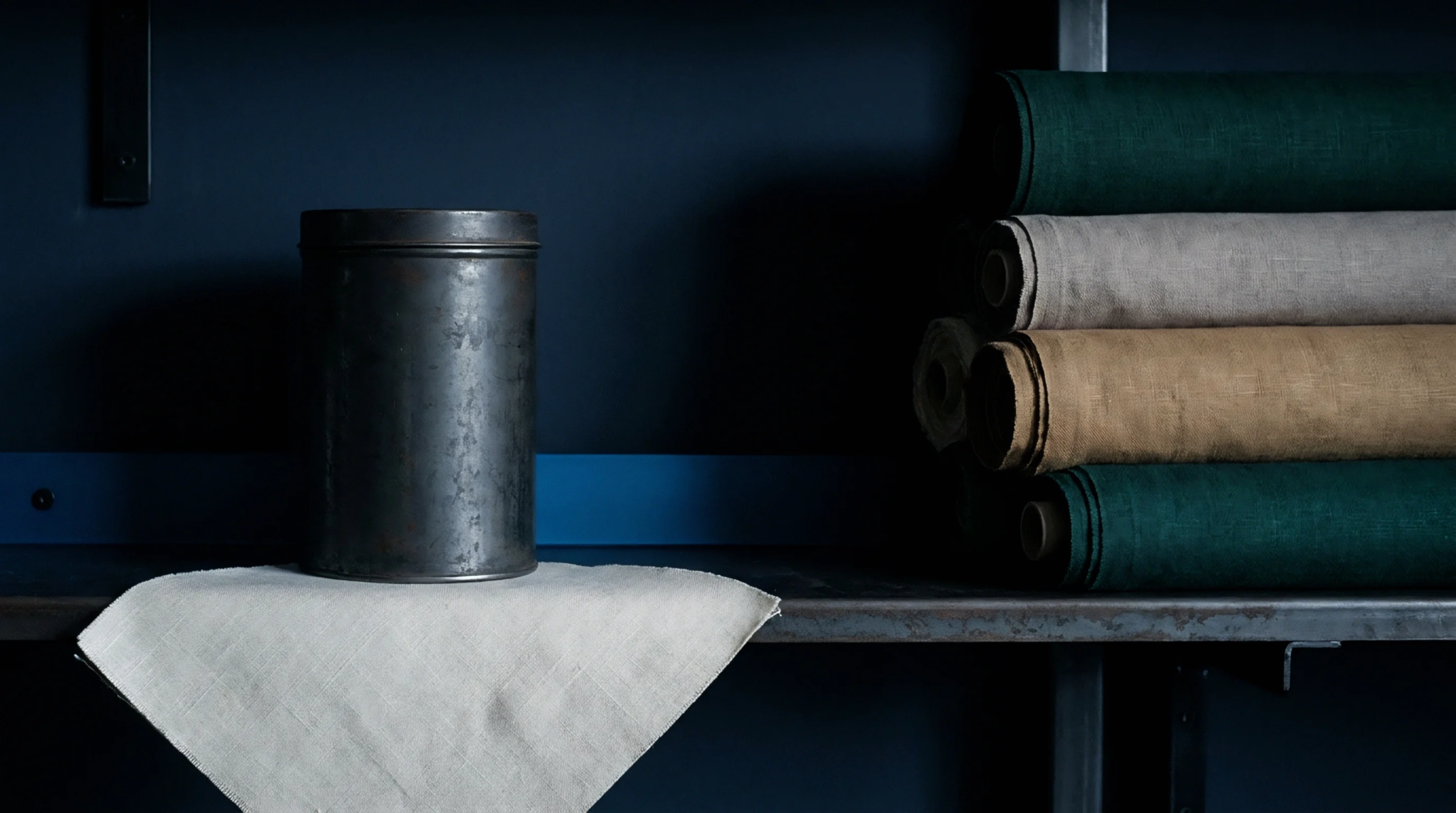
Export agreements establish specific moisture content limits and tensile strength requirements for raw stalks processed through this method. Textile mills accept these fibres for medium-grade linen production where a natural dark pigment provides a desired aesthetic result. Consistent exposure ensures the final output maintains the structural integrity necessary for industrial weaving looms.
Demand for this specific raw material remains stable because the natural processing reduces the heavy water consumption associated with tank retting operations.