
Impact of Non Cellulosic Pectins on Oven Dry Weight Verification in Wet Spun Flax
Residual pectins in wet spun flax undergo thermal mass loss at 105 degrees Celsius, creating up to 1.8 percent dry weight errors in commercial mass verification.
Residual pectins in wet spun flax undergo thermal mass loss at 105 degrees Celsius, creating up to 1.8 percent dry weight errors in commercial mass verification.
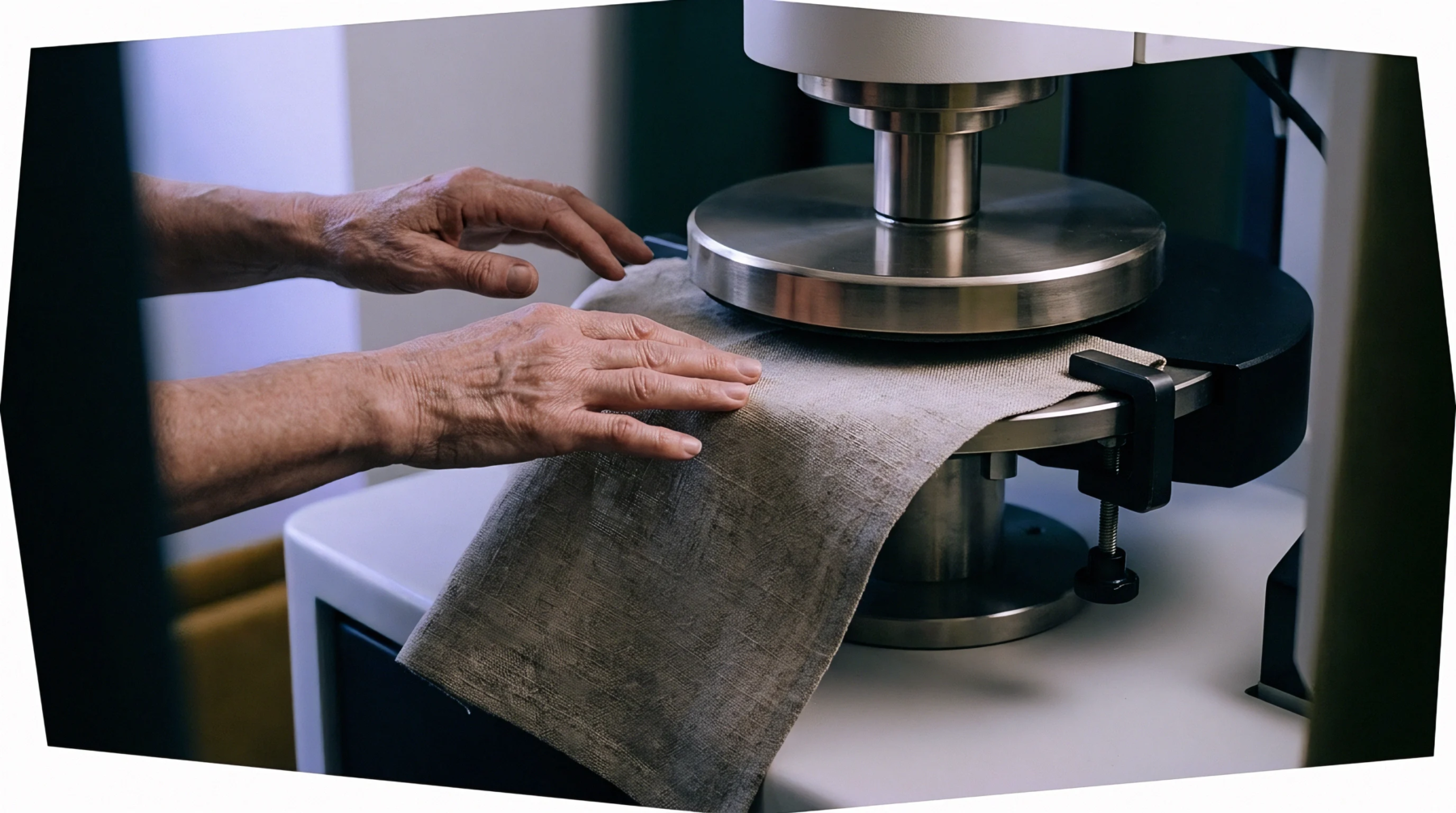
Gravimetric oven drying co-volatilizes applied fiber lubricants, requiring headspace GC-MS corrections to prevent artificial mass loss during dry mass determination.

Auditing scutched flax mass balances requires converting gross delivery weights into oven-dry mass adjusted to the standard twelve percent commercial regain.

High temperature oven drying above 105C volatilizes flax pectins and waxes, causing gravimetric moisture errors that distort commercial dry mass ledgers.

Isothermal thermogravimetry decouples non-cellulosic thermal degradation from moisture desorption, eliminating dry-mass underestimation and regain inflation in bast fibre trade.

Oven drying flax above 105°C degrades middle-lamella pectins into volatile gases, inflating reported moisture regain and damaging fiber spinning tenacity.

Dry cellulosic yield in wet flax roving requires gravimetric tare subtraction, moisture regain adjustments, and chemical boil-off loss corrections per lot.
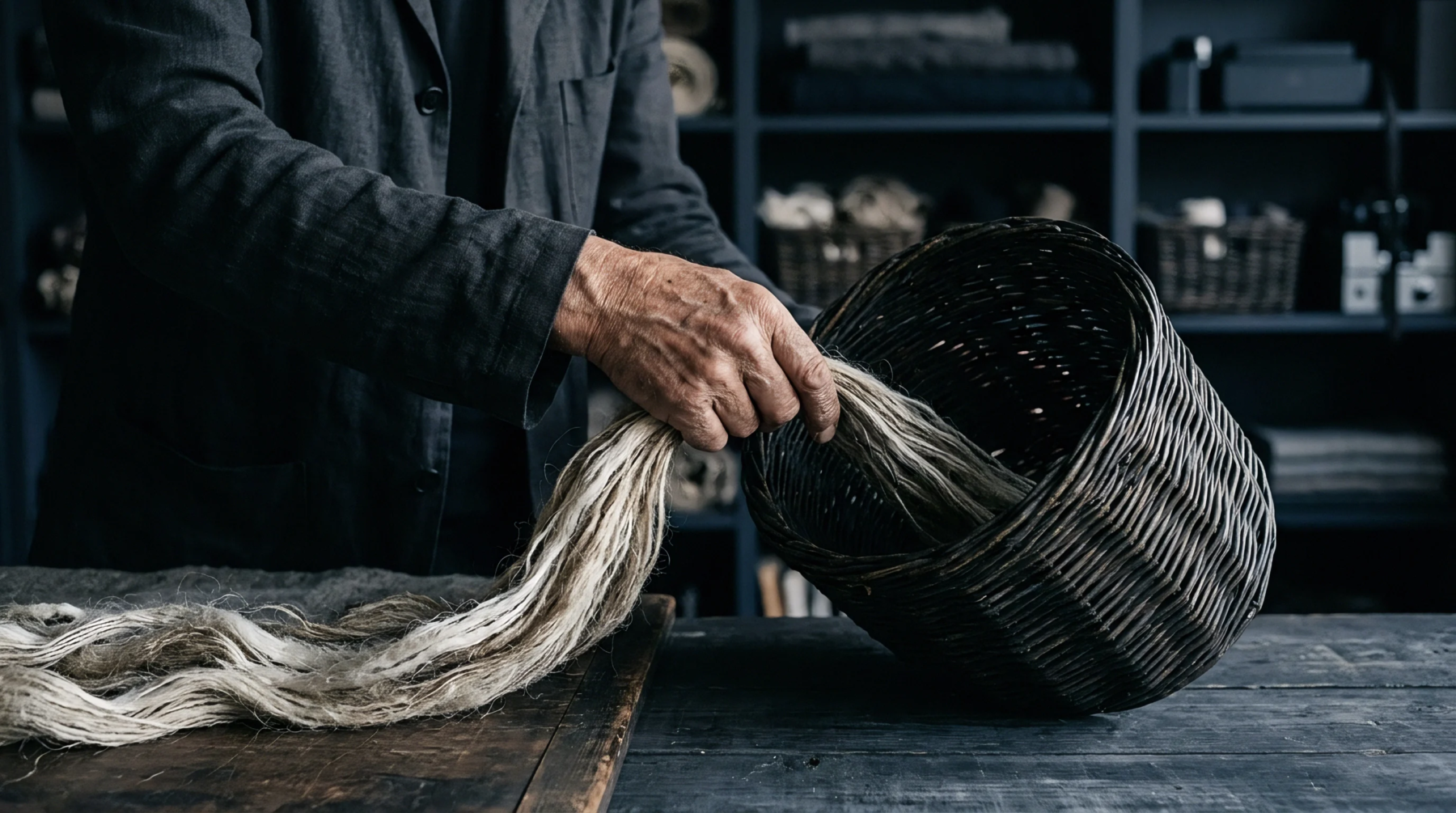
Determining dry mass regain in flax roving requires 105°C thermal drying coupled with solvent extraction corrections to separate water loss from spinning oils.
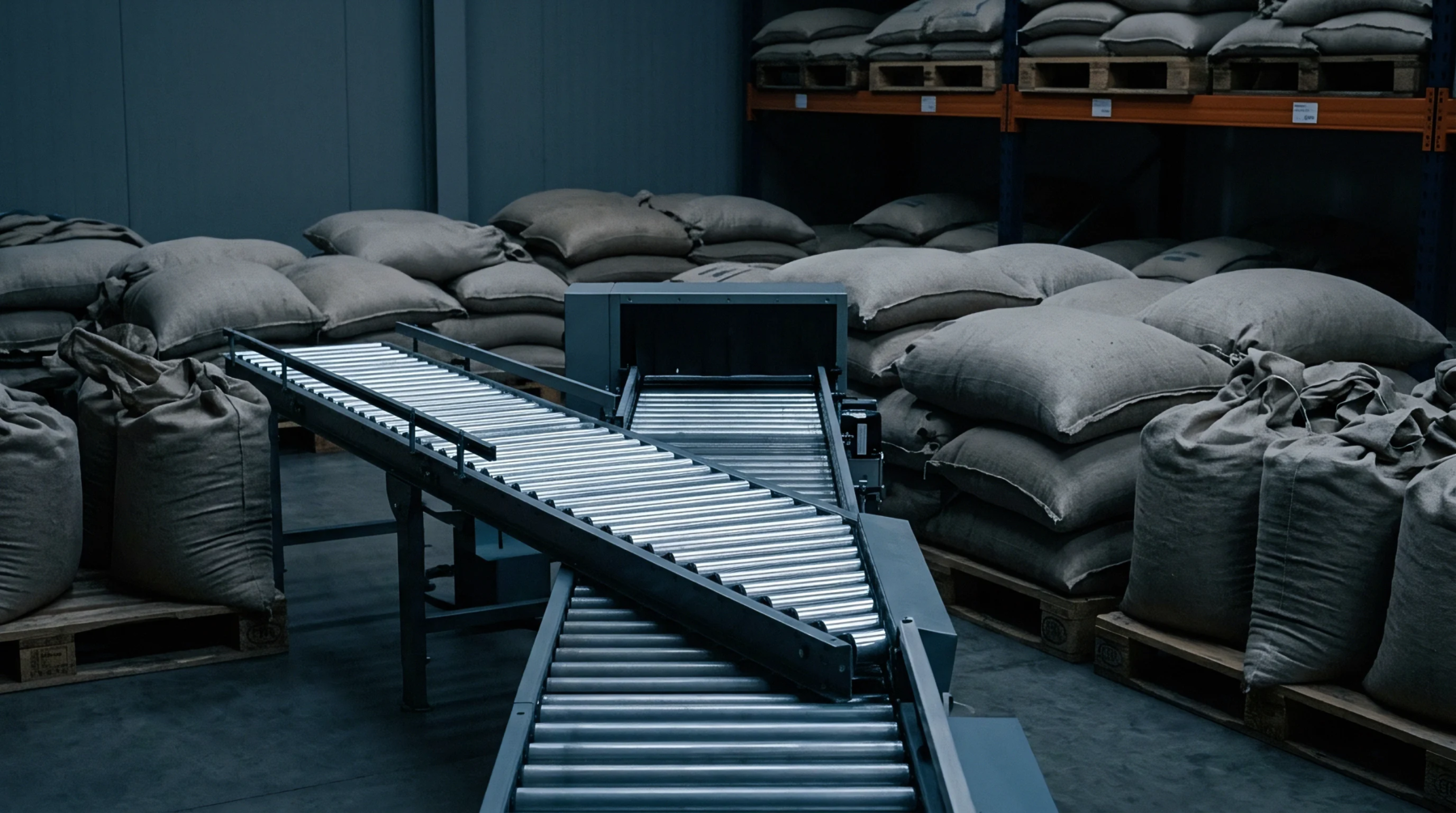
Linen yarn counts and cloth weight must be verified against dry fiber mass plus standard 12 percent moisture regain to eliminate costly moisture billing errors.
Expertise is a utility, not a secret. sentiention™ publishes its working knowledge as open reference: intelligence layer covering the materials it sources, the markets it enters, and the reference that serves both.