Condition Window
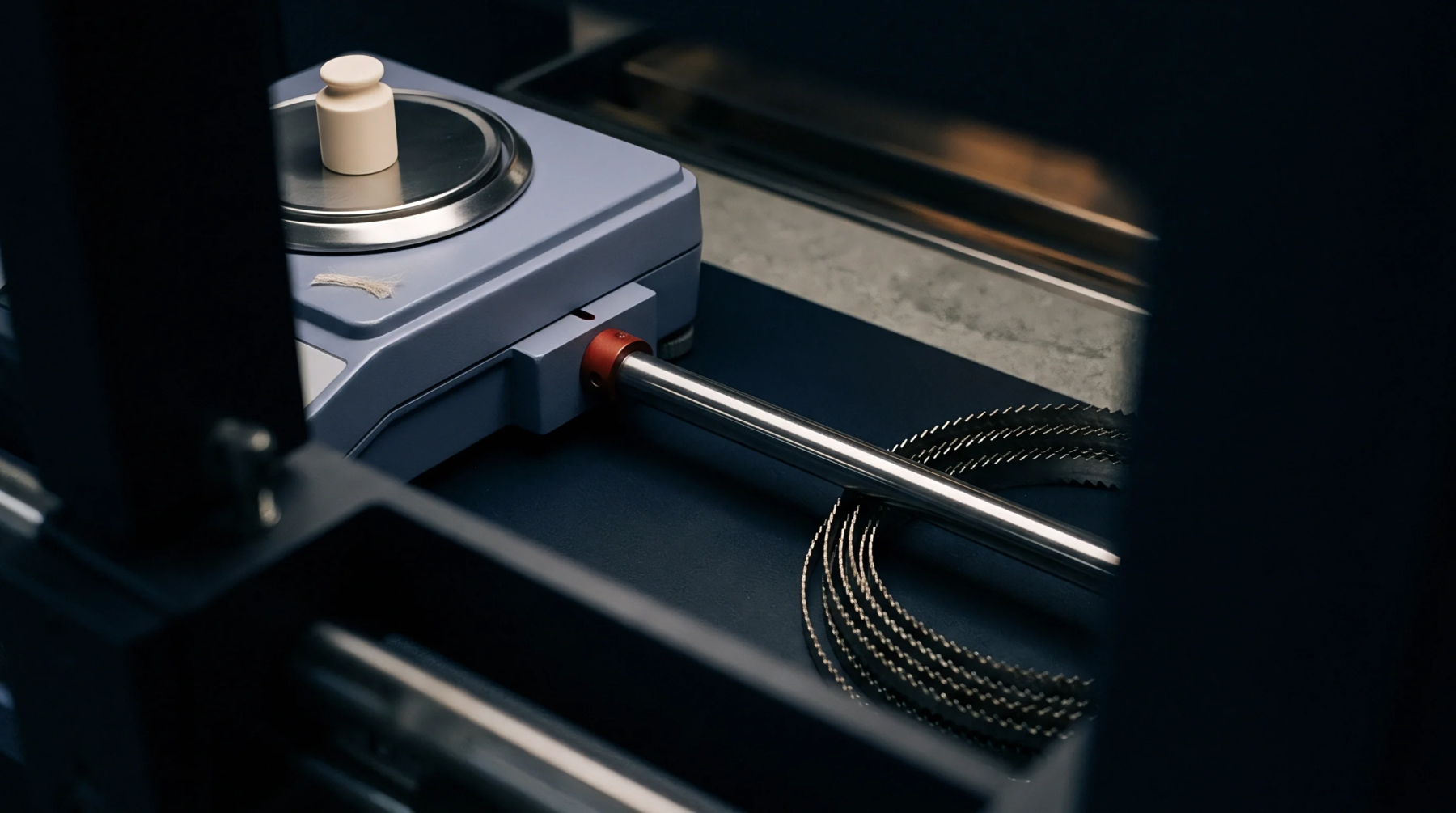
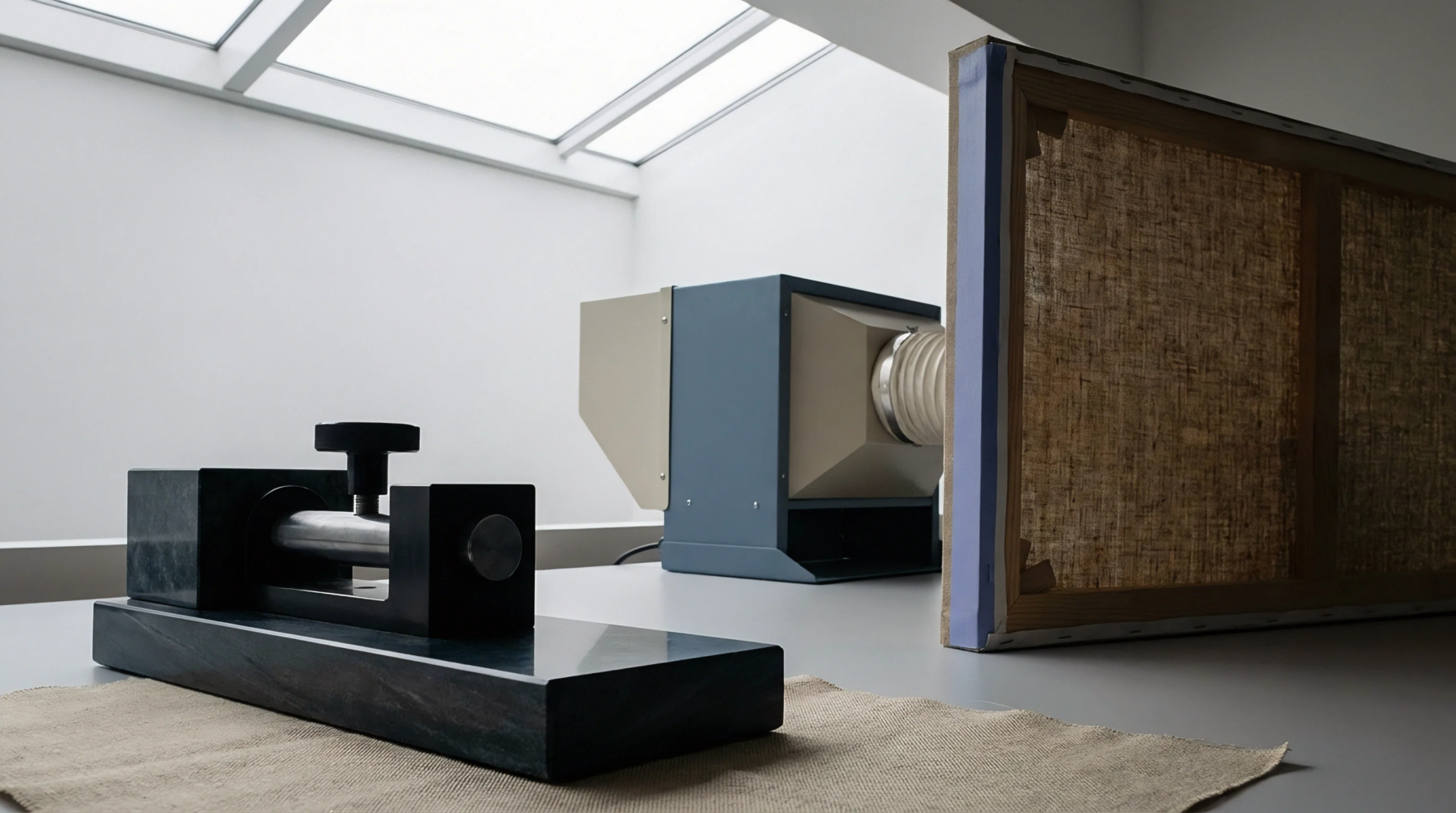
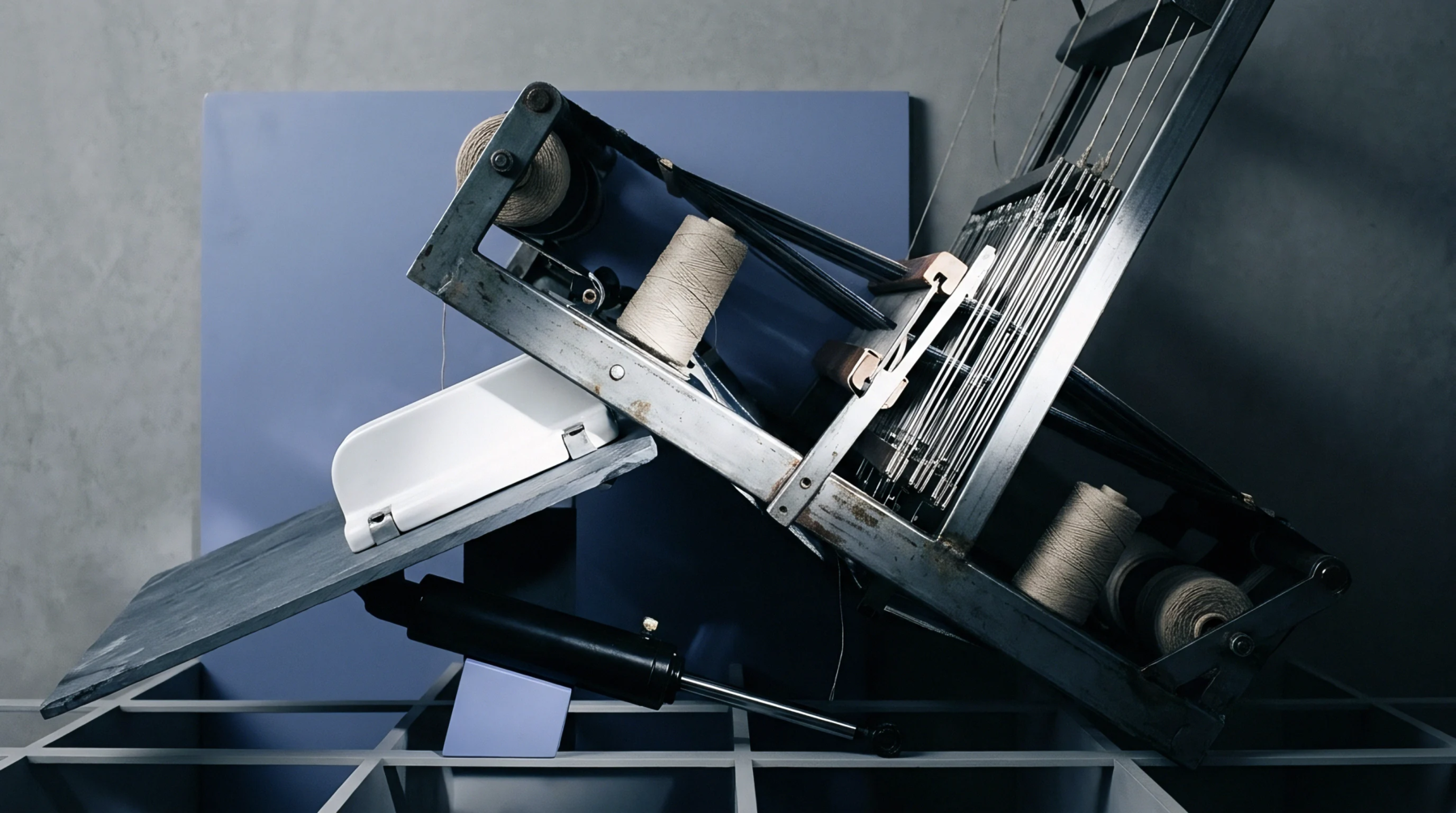
Standard atmospheric specifications provide the baseline environment for conditioning textile samples prior to physical testing in flax and linen spinning operations. ISO 139 defines the precise temperature and relative humidity parameters required to stabilize moisture content within cellulose based yarn and woven cloth. Ambient fluctuations alter the mass and tensile properties of bast fibres because flax absorbs moisture readily from surrounding air.
Testing laboratories apply this protocol to eliminate humidity bias before breaking strength or elongation measurements occur on wet or dry spun material. Temperature sits at twenty degrees Celsius with a tolerance of plus or minus two degrees. Relative humidity remains fixed at sixty five percent with a four percent tolerance range.
Atmospheric control extends across the final testing suite where yarn tenacity and fabric tear resistance are recorded for commercial compliance documents.
Moisture Equilibrium
Hygroscopic behavior dictates that dry flax fibres gain weight while over saturated filaments release water vapor until vapor pressure matches the testing room atmosphere. Conditioning periods run for twenty four hours minimum to achieve total moisture equilibrium throughout dense woven linen bales or heavy bobbin packages. Rapid environmental shifts create surface dryness while core moisture remains trapped, invalidating breaking load values on the dynamometer.
Technicians monitor hysteresis effects because samples reaching equilibrium from a dry state show lower moisture regain than specimens arriving from a wet state. Preconditioning steps apply when incoming yarns arrive from humid spinning mills and require drying down before standard atmospheric exposure begins.
Acceptance Boundary
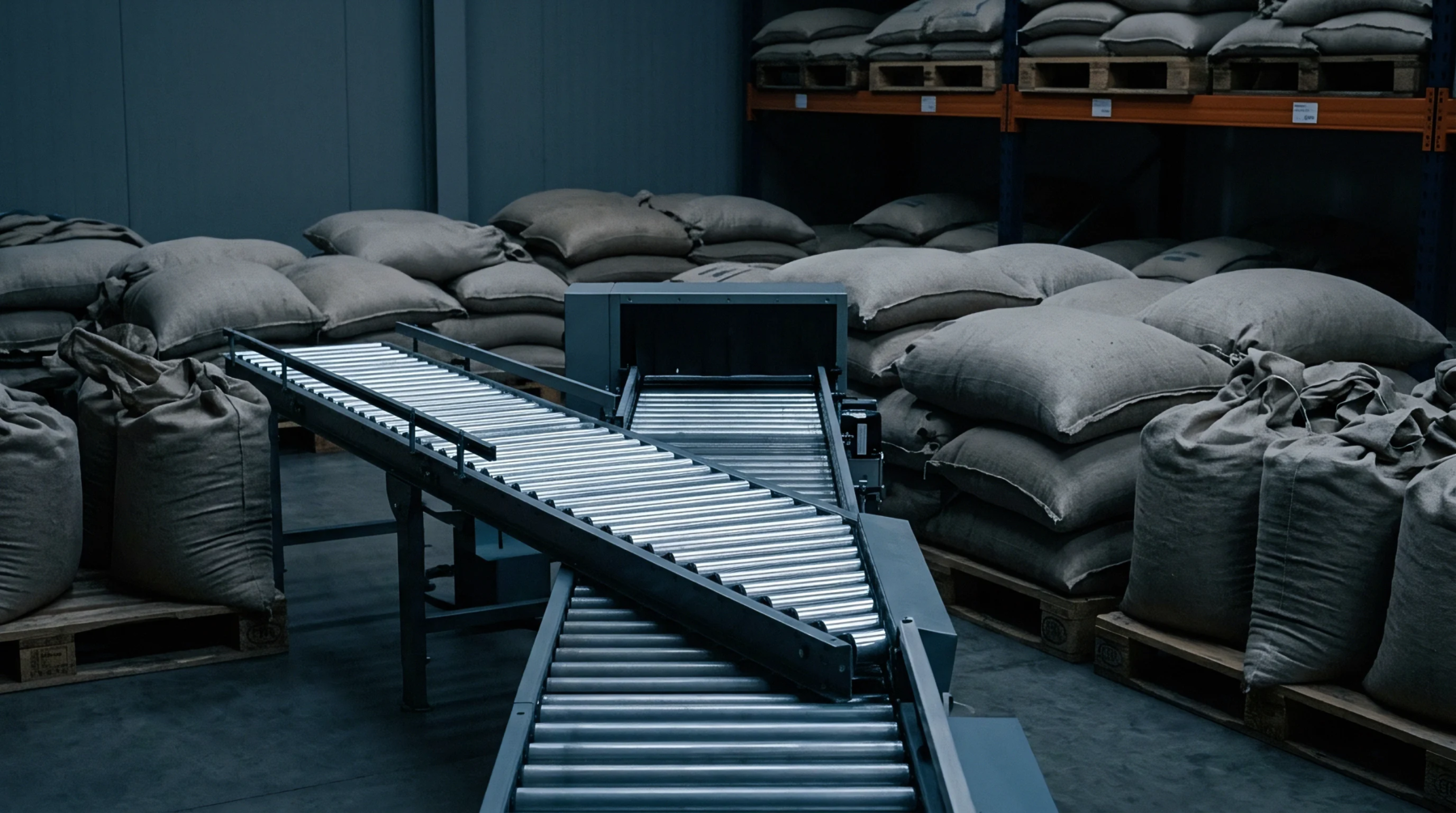
Commercial contracts reference these exact atmospheric conditions to settle disputes between spinning mills and garment manufacturers regarding fabric weight per square metre and yarn count deviations. Buyers reject test reports generated outside specified temperature and humidity limits because uncontrolled moisture distorts commercial mass calculations. Mill laboratories maintain continuous chart recorders to prove compliance during every conditioning cycle preceding export inspection.
Testing protocols cease to hold validity once material leaves the controlled enclosure, meaning transit moisture changes require secondary conditioning upon arrival at the destination warehouse.