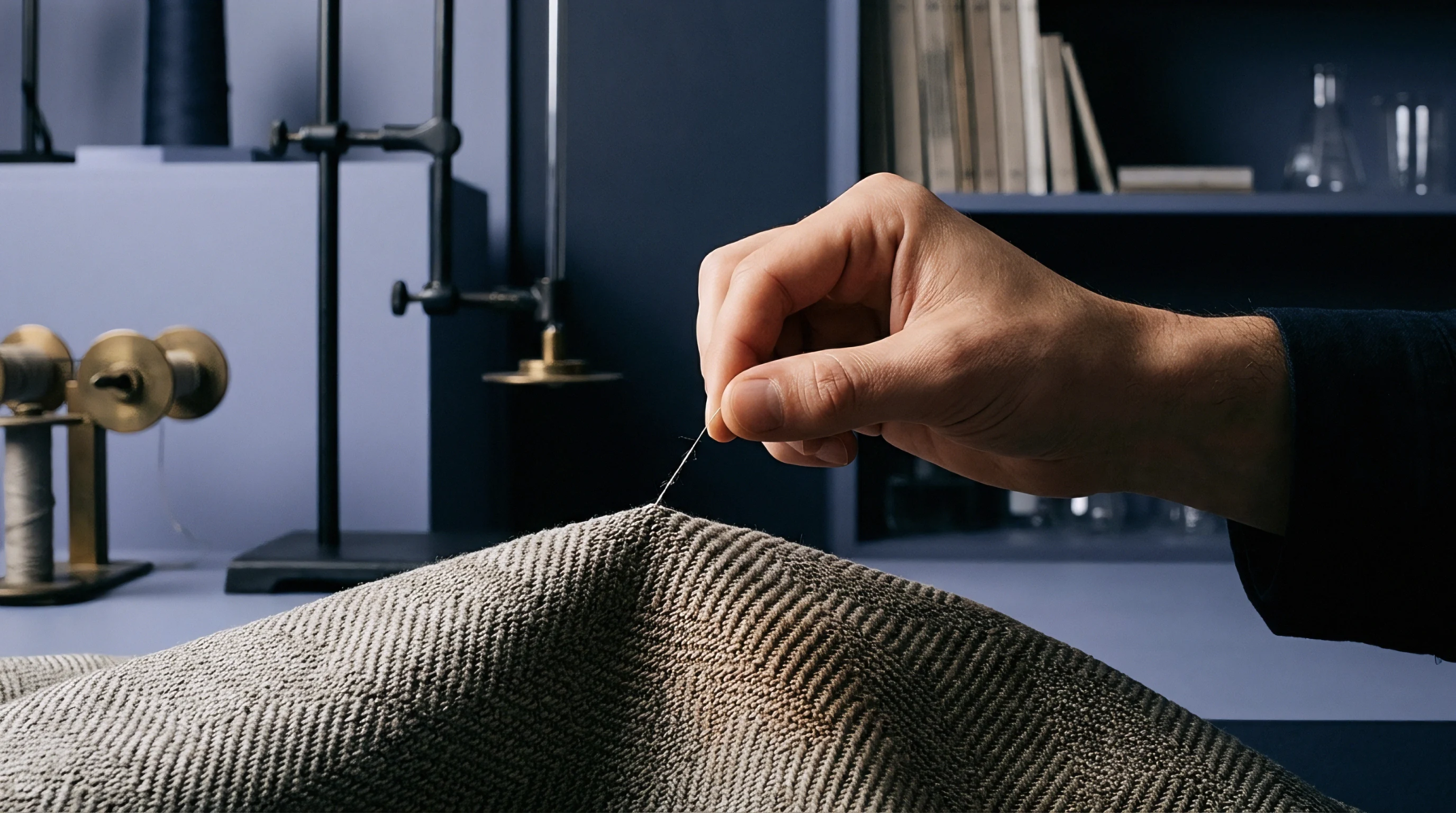
Flax Fiber Chemical Composition and Basic Retting Quality Evaluation
Optimal retting reduces residual pectin below 1.8 percent, allowing ultimate fiber separation to 3 tex and maximizing high-count line yarn yield.
Optimal retting reduces residual pectin below 1.8 percent, allowing ultimate fiber separation to 3 tex and maximizing high-count line yarn yield.
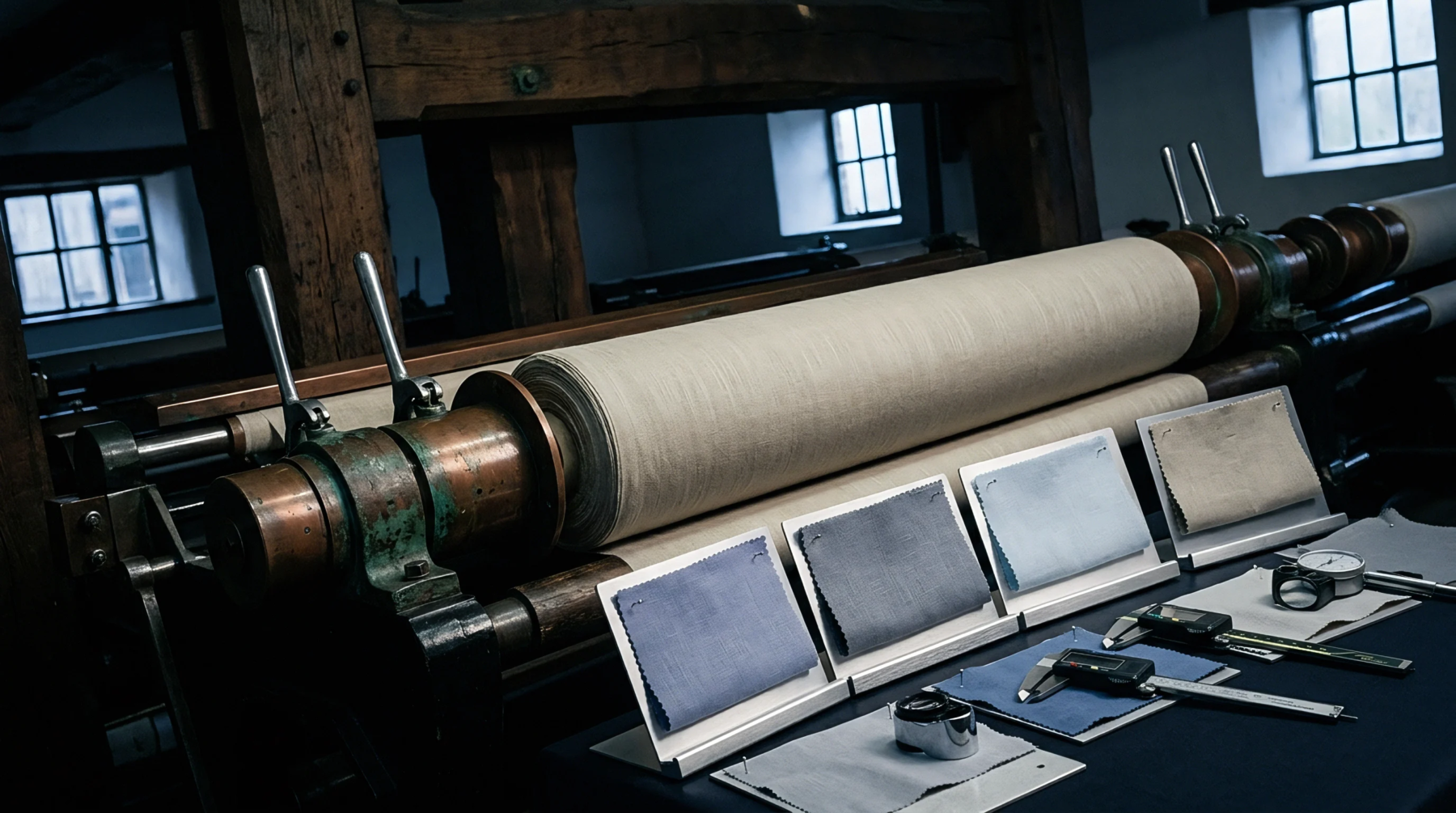
Verify dry mass through oven desiccation at 105C and apply a 12% moisture regain formula to protect mill yield and block transit water charges.

Calibrating wet spinning trough temperature and pH prevents pectin-induced draft rupture, lowering fine yarn end breaks and securing target tenor tenacity.

Residual pectin above 3 percent prevents fiber bundle flattening, inducing premature mechanical yarn jamming that cuts rapier loom efficiency by 19 percent.
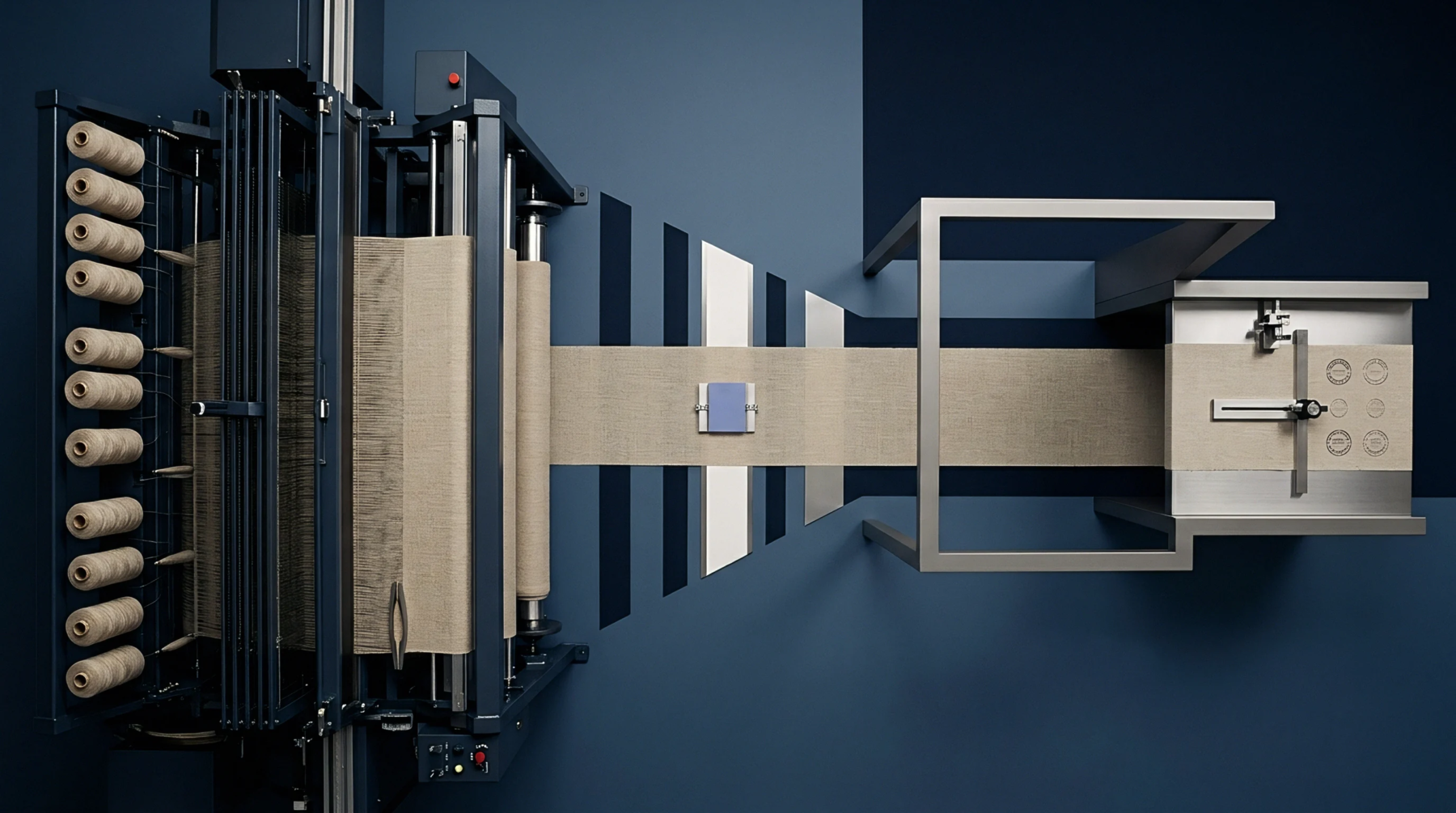
Fine linen wet spinning demands trough water at 65 to 75 degrees Celsius with controlled surfactants to dissolve middle lamella pectins before the drafting nip.
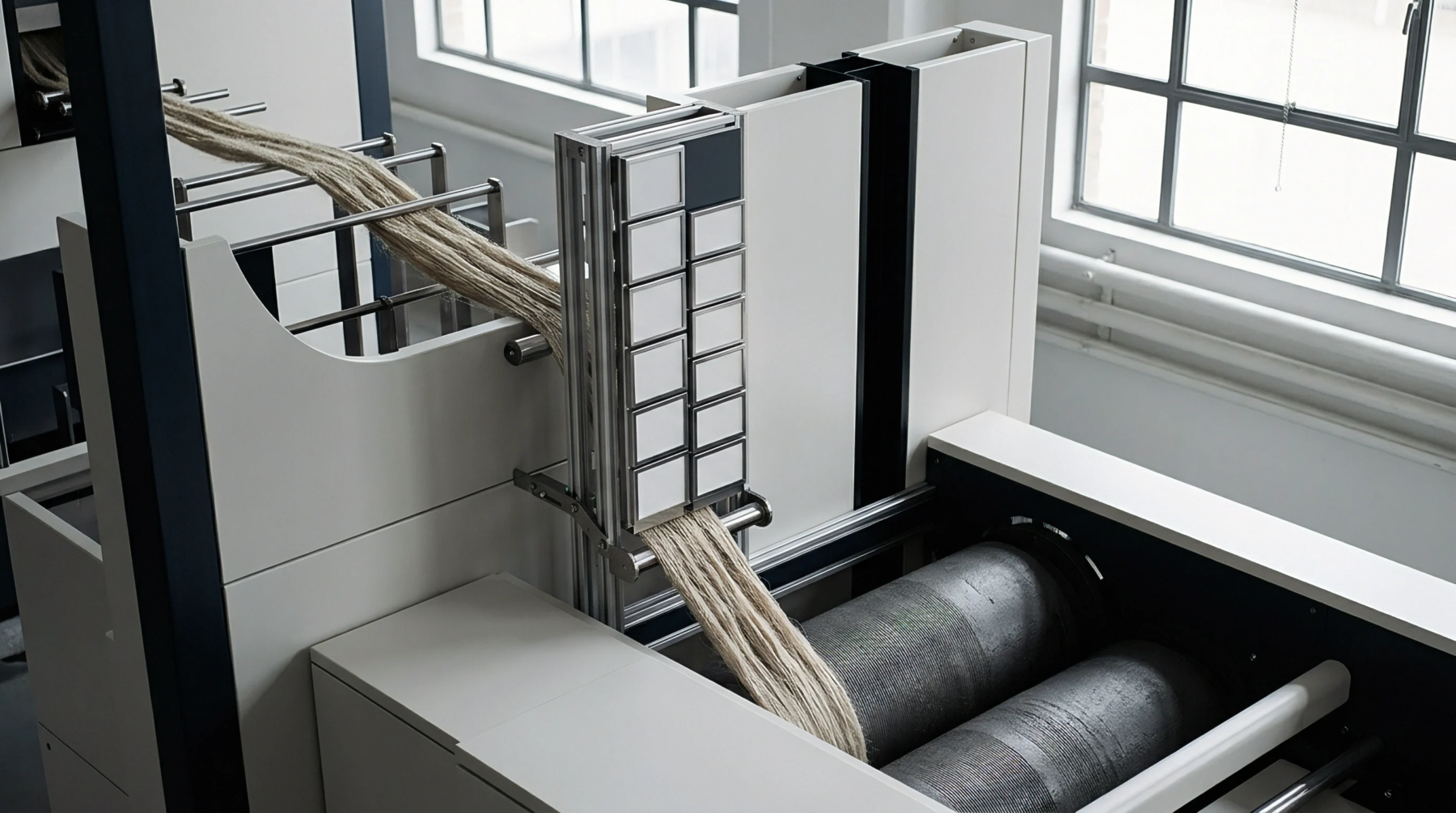
Quantifying residual pectins below 1.2% and proteins below 0.75% via spectrophotometry and combustion prevents wet-spinning end breaks and secures high-count Nm yields.
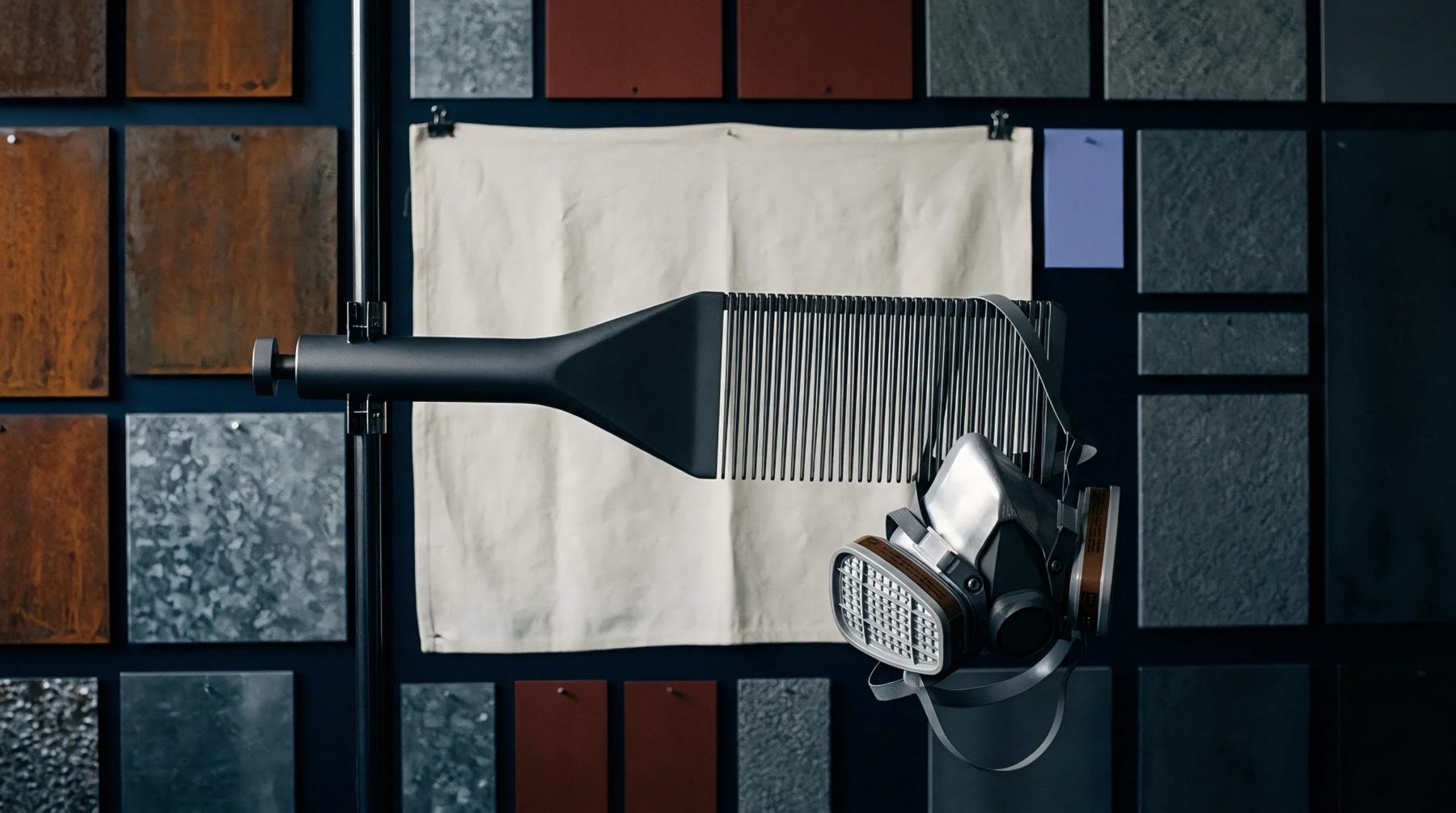
Maintain combing halls at 70% RH and control pectin esterification below 58% to maximize high count line flax hackling yields and lower metre costs.
Maintaining residual pectin between 0.8% and 1.4% prevents roving draft collapse while enabling fibre attenuation in wet-spinning ultra-fine linen yarns.
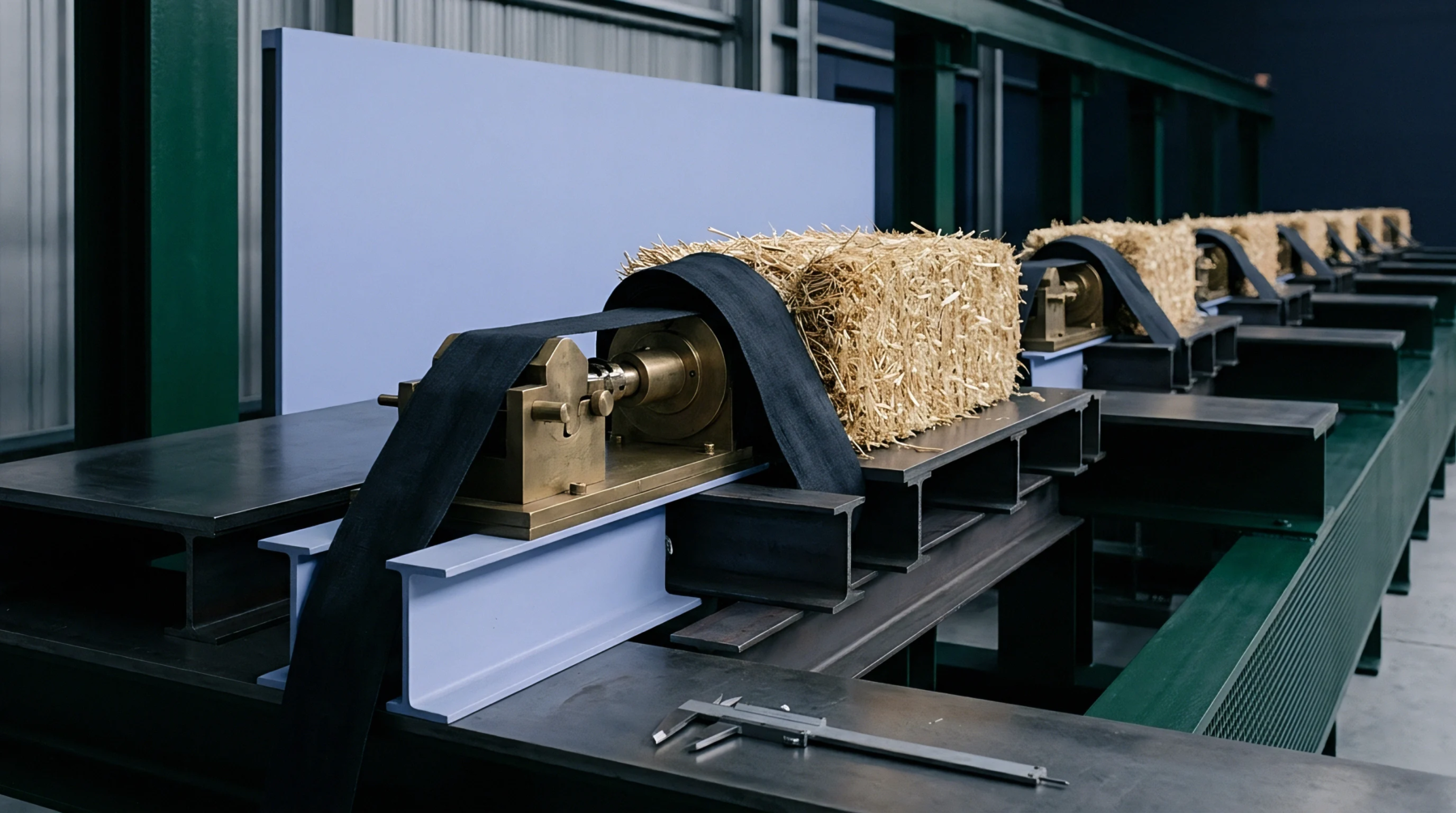
Optimizing hackling pin density and wet-spinning trough temperature stabilizes draft forces, reducing bast yarn end breakage below fifteen breaks per thousand spindle hours.

Trough water hardness suppresses enzymatic pectin hydrolysis, altering dry fiber mass loss and requiring calcium-calibrated true-up calculations.

Hot water trough temperatures between 68°C and 74°C plasticize middle lamella pectins, preventing microfibril rupture and securing fine yarn counts up to Nm 80.

Controlled pectin removal enables clean bundle cleavage, elevating metric fibre fineness above Nm 2000 while maintaining long line yield above 60 percent.
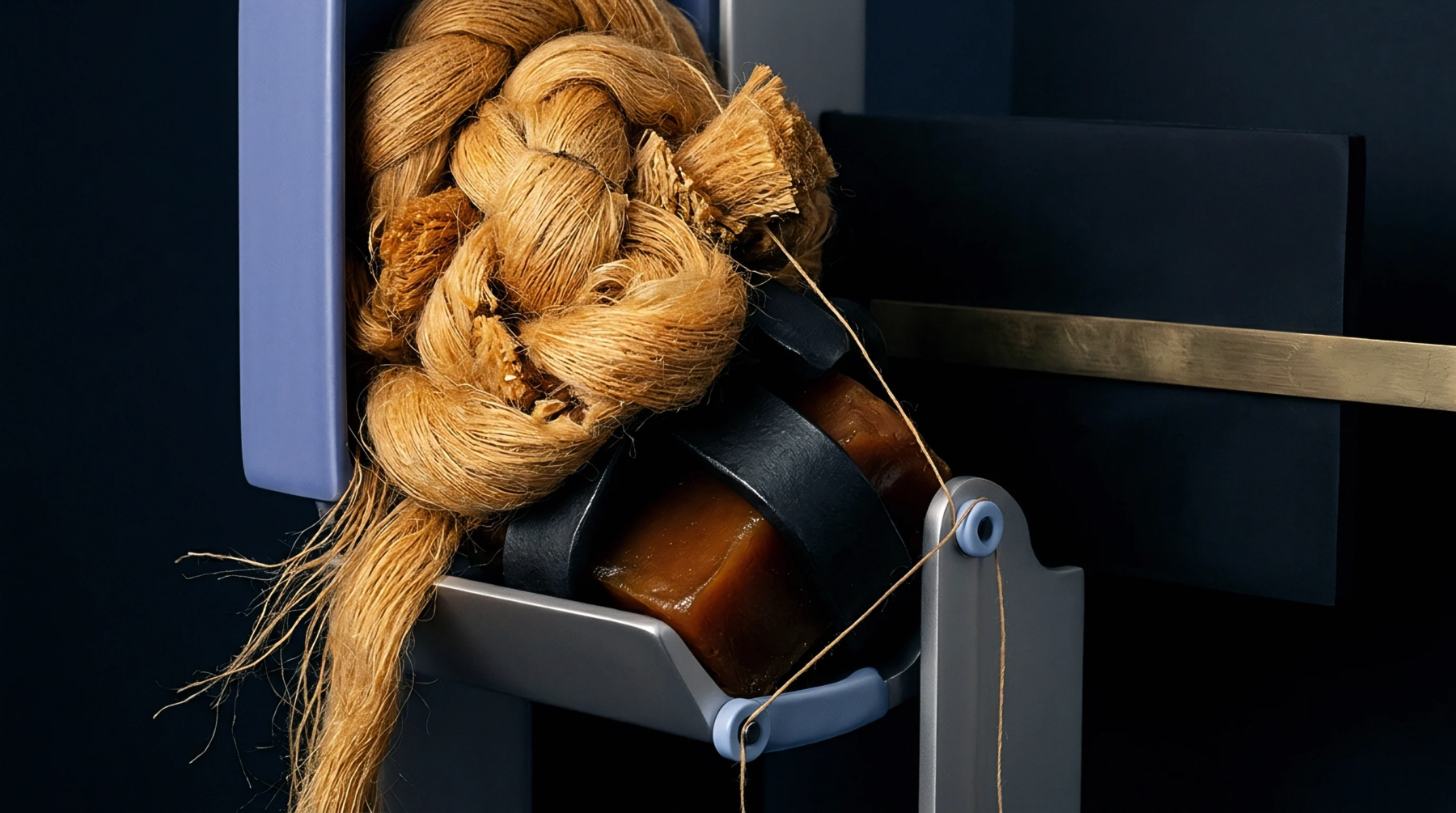
Trough temperature at 68°C accelerates pectin dissolution, lowering drafting force to stabilize wet-spun linen yarn counts up to Nm 60.
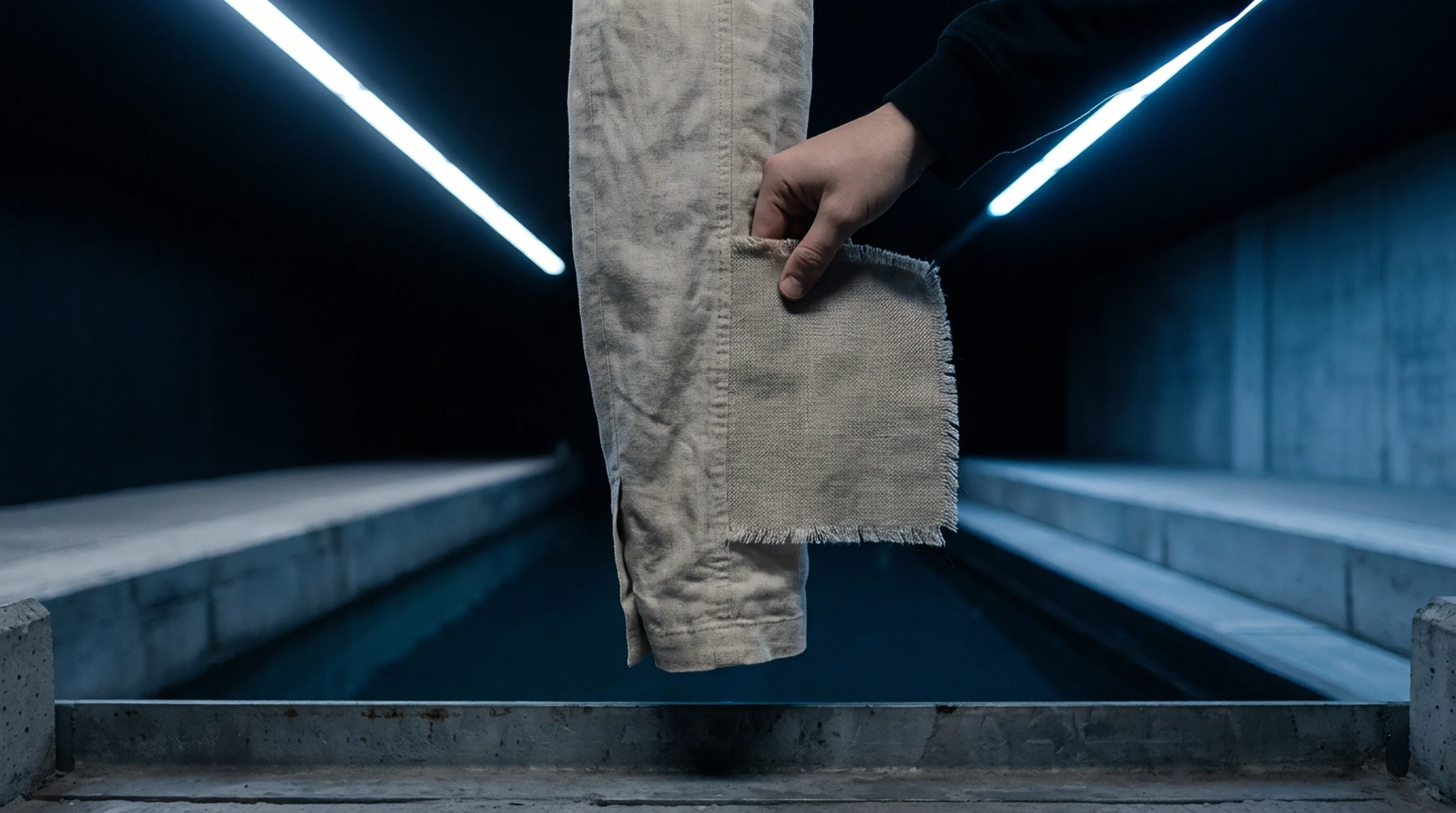
Ammonium oxalate extraction at ninety degrees solubilizes middle lamella pectins to isolate elementary flax fibres for accurate microbalance decitex audits.

Hot ammonium oxalate extraction isolates calcium-bound middle lamella pectins to quantify sliver spinning limits and drafting cohesion.

Selective pectin degradation paired with tuned hackling pin density maximizes fibre bundle separation while retaining staple length for fine wet spinning.
Optimize flax wet spinning by maintaining attenuation troughs at 68-72°C with soft water to dissolve pectins without degrading elementary fiber tensile strength.
Hydrothermal pectin dissolution rates must match drafting speed and bath temperature to prevent core rigidity or slippage in the wet spinning draft triangle.

Optimizing wet spinning trough temperature, residence time, and chemical chelating parameters accelerates pectin hydrolysis, reducing end breakages and maximizing yarn tenacity in fine linen spinning.
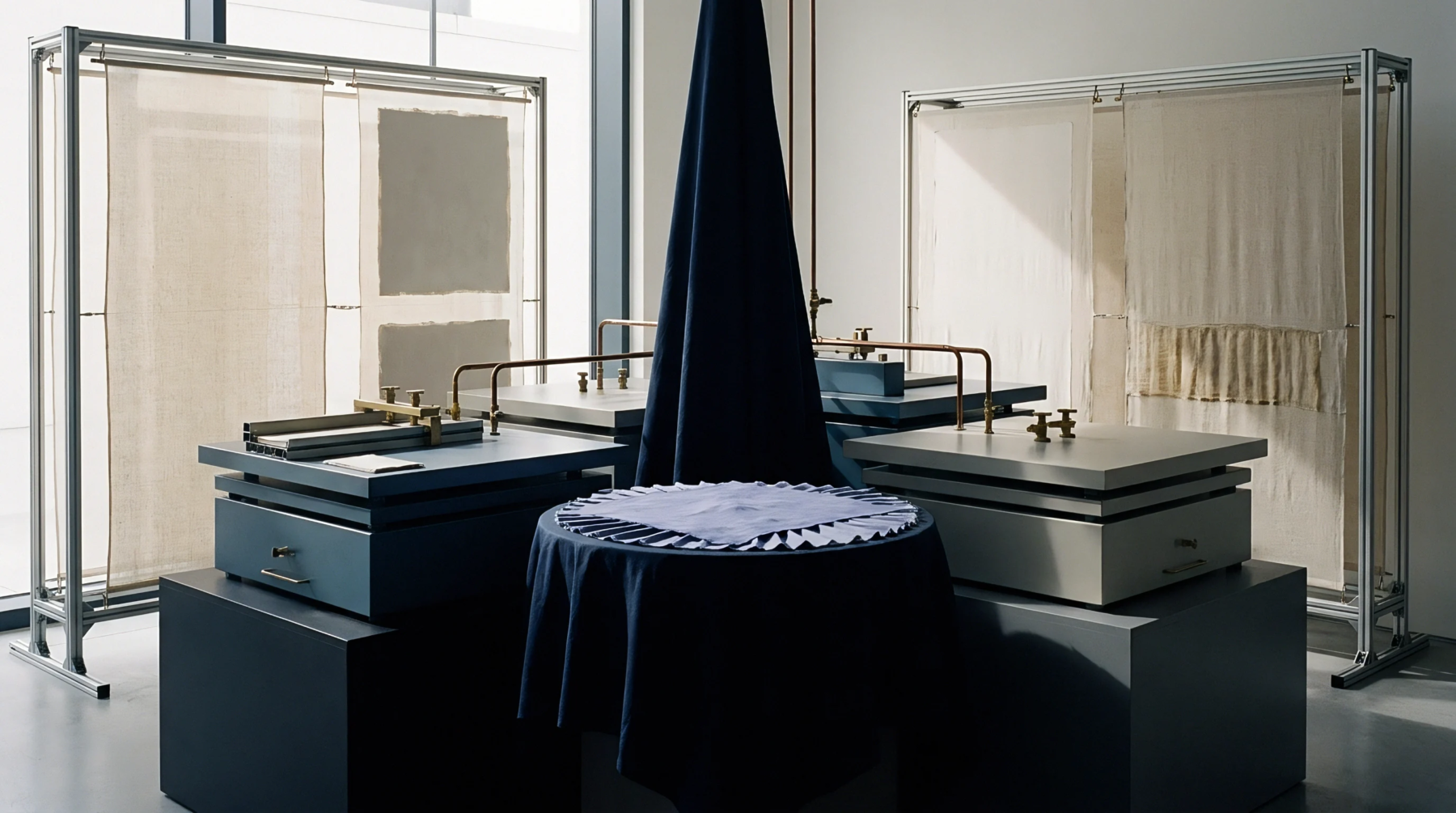
Non-cellulosic content above 3.5% lowers hackling line yield, increasing tow waste and landed line fibre cost per finished metre.
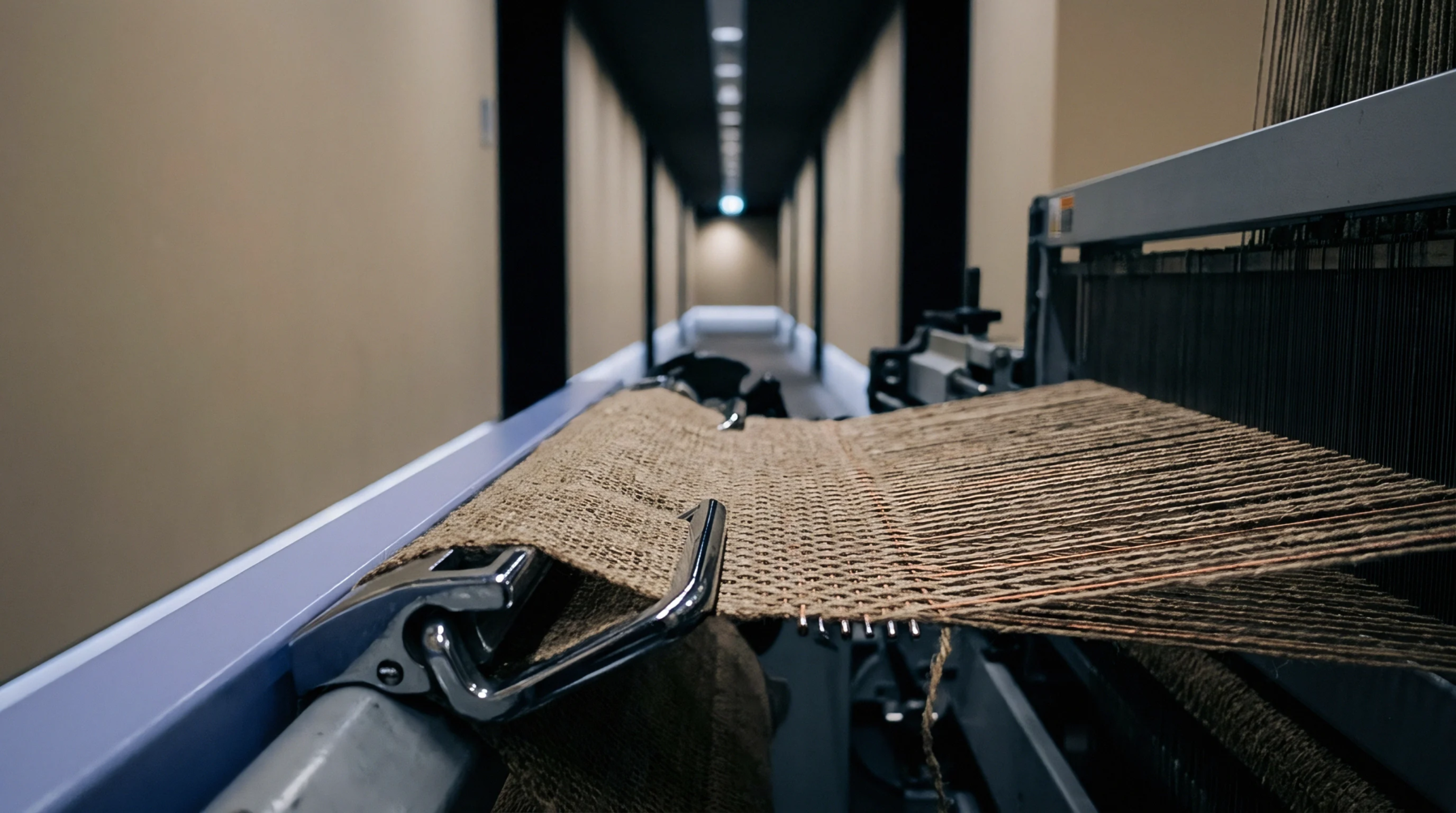
Metric fibre number defines wet-spun line yarn limits by establishing the minimum cross-sectional elementary fibre count required to sustain drafting tension.
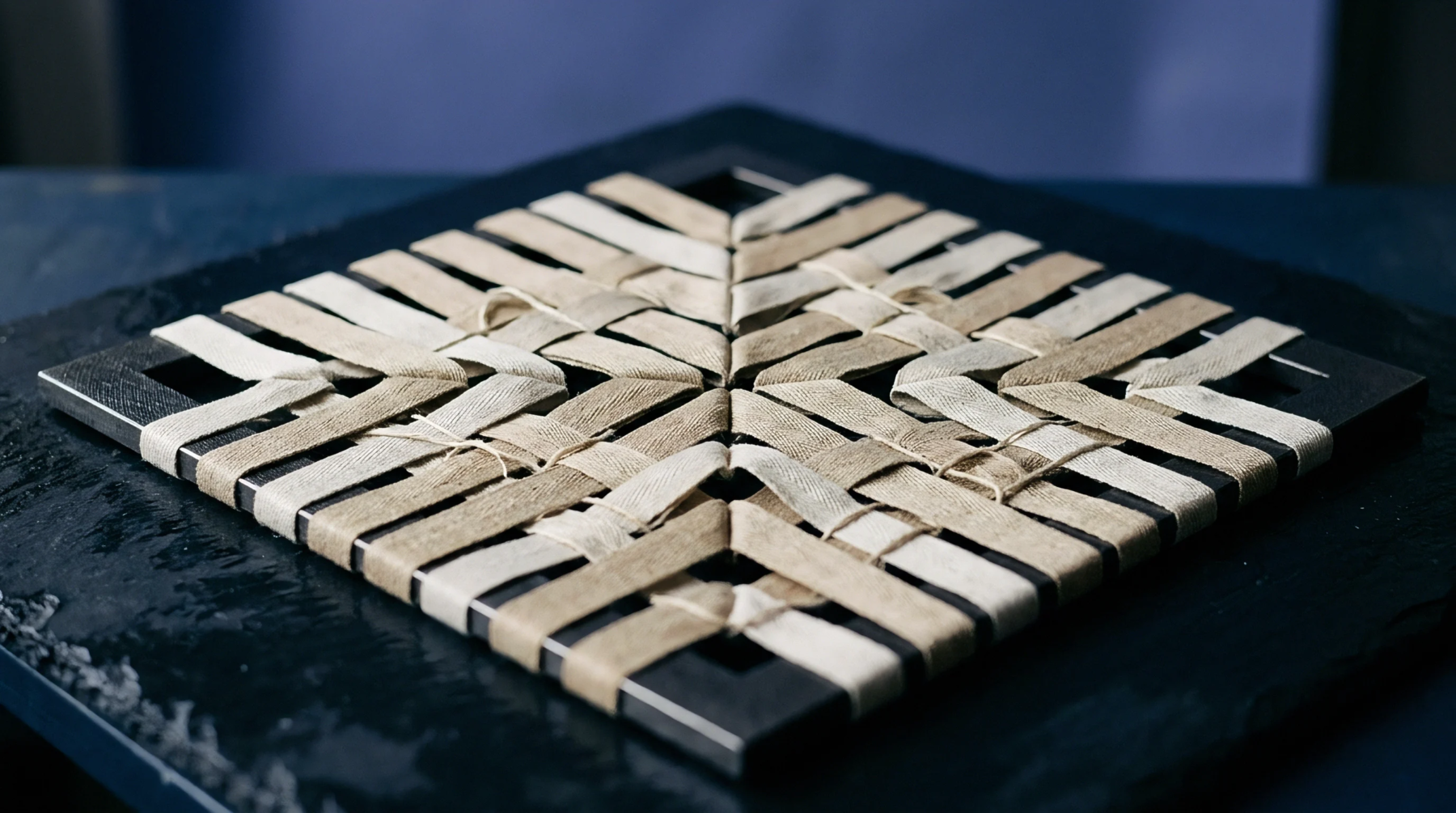
Evaluating raw flax yarn bundle morphology, pectin chemistry, and tensile metrics prevents high-speed warping breaks and protects loom hour efficiency.
Expertise is a utility, not a secret. sentiention™ publishes its working knowledge as open reference: intelligence layer covering the materials it sources, the markets it enters, and the reference that serves both.