Optimizing Wet Spinning Bath Temperature and Chemical Softening Parameters
Maintain wet spinning bath at 62-66°C with 2.5 g/L pyrophosphate chelator to cleave middle lamella pectins, cut ends down, and maximize yarn tenacity.
Maintain wet spinning bath at 62-66°C with 2.5 g/L pyrophosphate chelator to cleave middle lamella pectins, cut ends down, and maximize yarn tenacity.
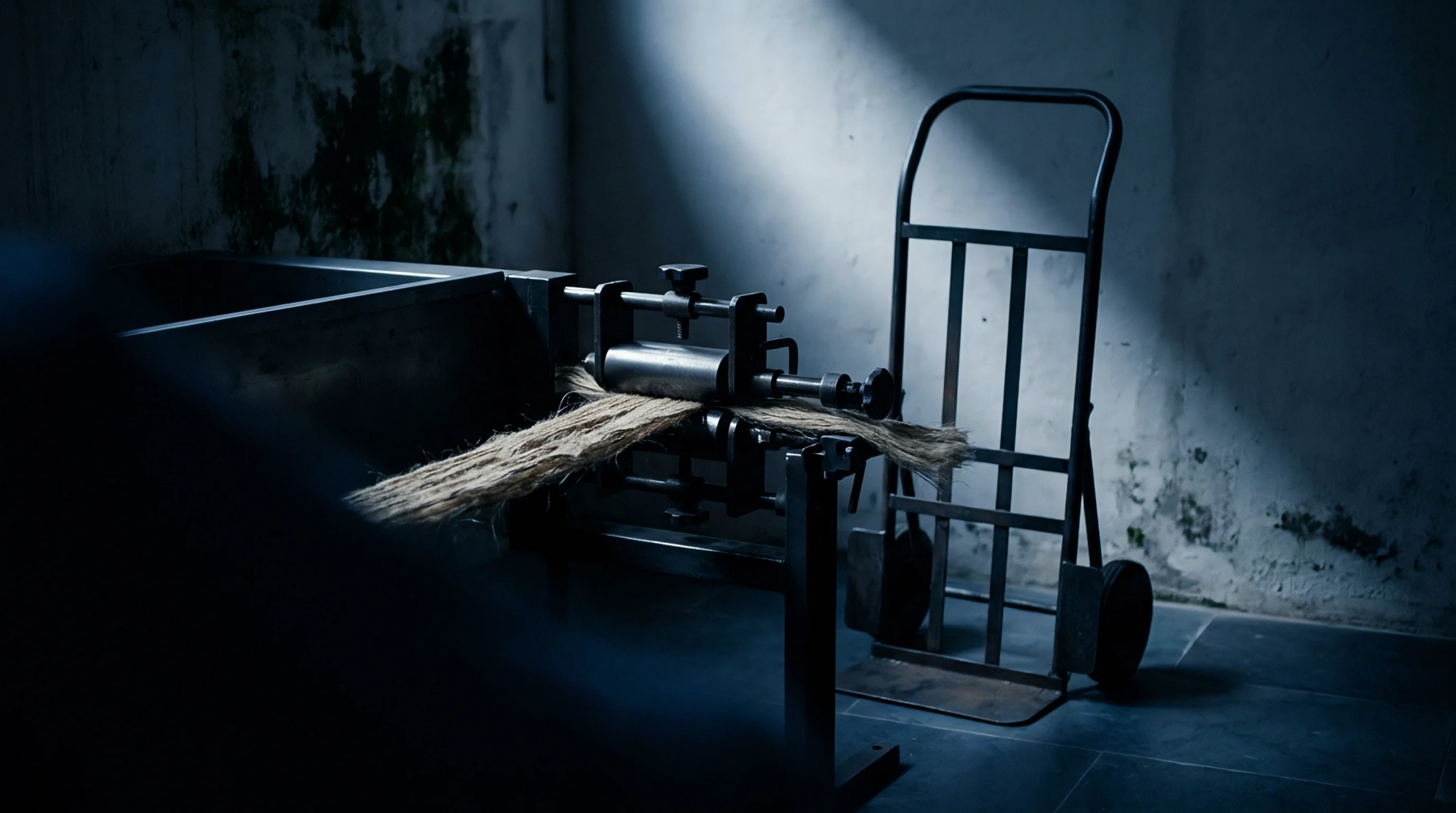
Hot water trough temperatures between 68°C and 74°C plasticize middle lamella pectins, preventing microfibril rupture and securing fine yarn counts up to Nm 80.
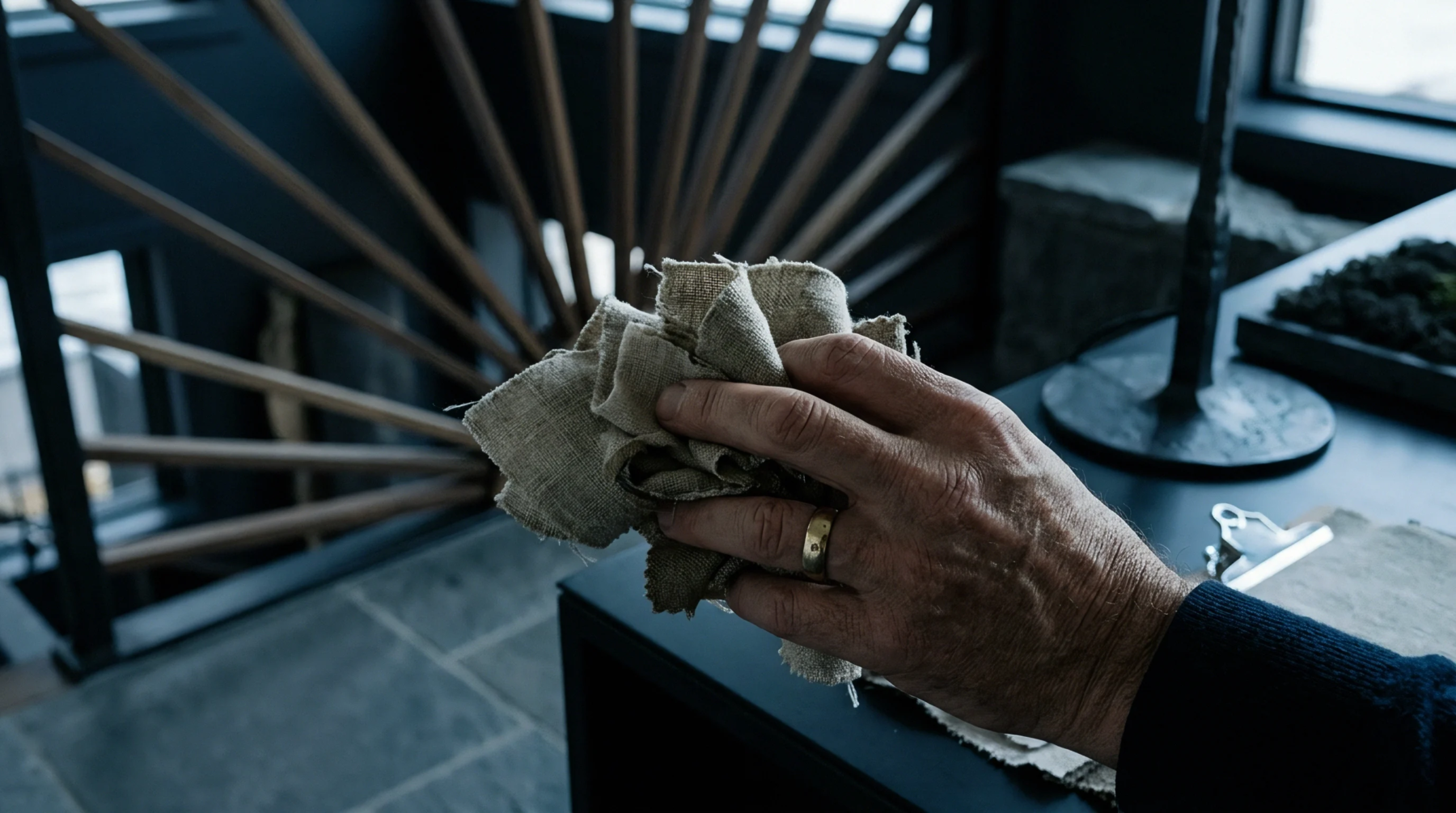
Enzymatic degumming for fine wet spinning demands residual pectin levels between 1.2 and 1.8 percent by mass to balance wet drafting and yarn tenacity.
Cellulose microfibril angle variance above 2.0 degrees reduces wet-spun flax tenacity by up to 18 percent due to uneven stress distribution in the S2 layer.

Verify Chinese-spun European Flax by validating batch-specific Transaction Certificates against mill mass balances and scutcher intake tags before payment.
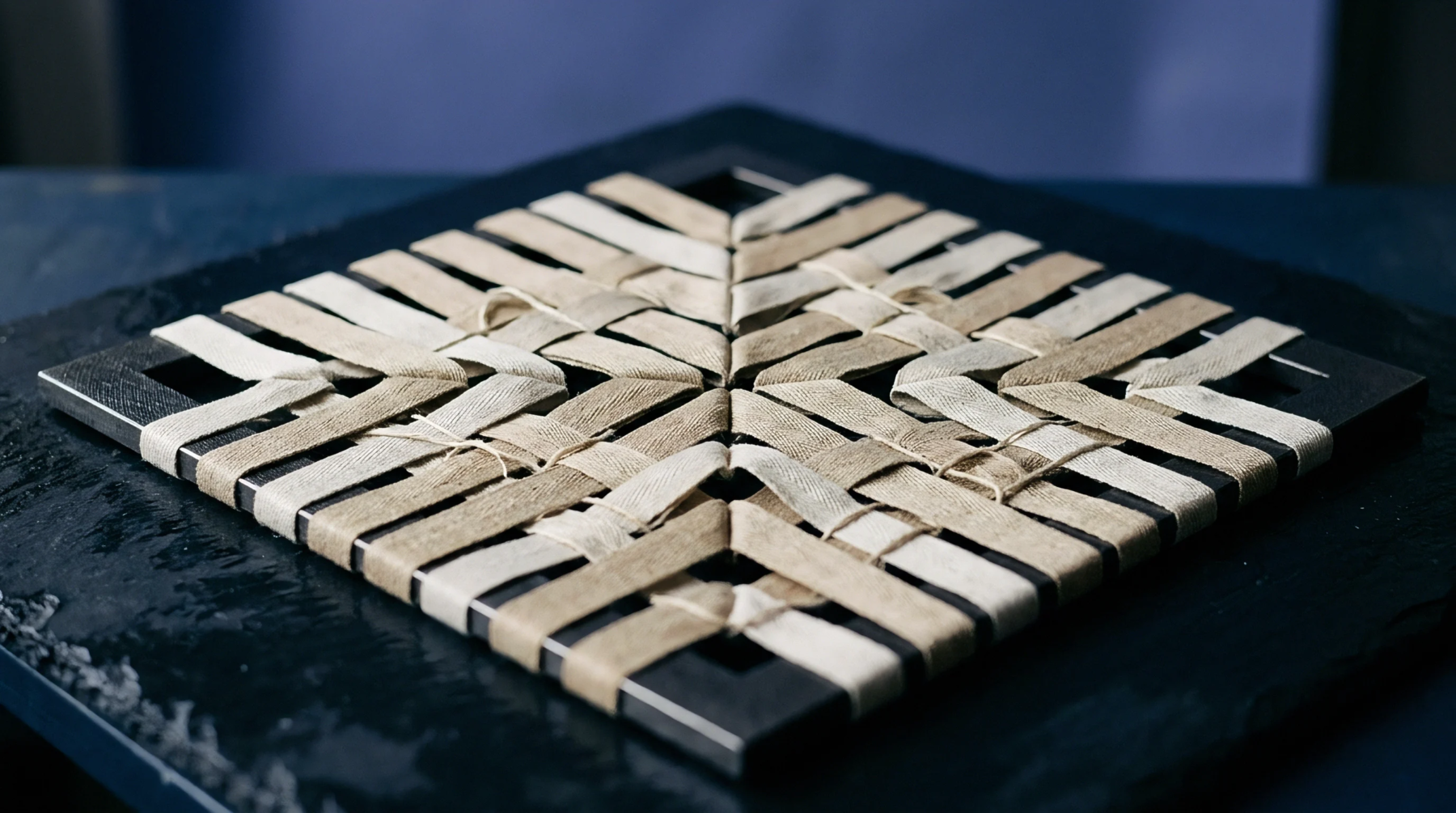
Evaluating raw flax yarn bundle morphology, pectin chemistry, and tensile metrics prevents high-speed warping breaks and protects loom hour efficiency.
Expertise is a utility, not a secret. sentiention™ publishes its working knowledge as open reference: intelligence layer covering the materials it sources, the markets it enters, and the reference that serves both.