
Calibrating Optical Sensor Demerit Scoring with Loom Stop Telemetry Logs
Calibrating optical sensor demerits against loom stop telemetry eliminates false slub penalties by verifying mechanical fault codes against visual defects.
Calibrating optical sensor demerits against loom stop telemetry eliminates false slub penalties by verifying mechanical fault codes against visual defects.
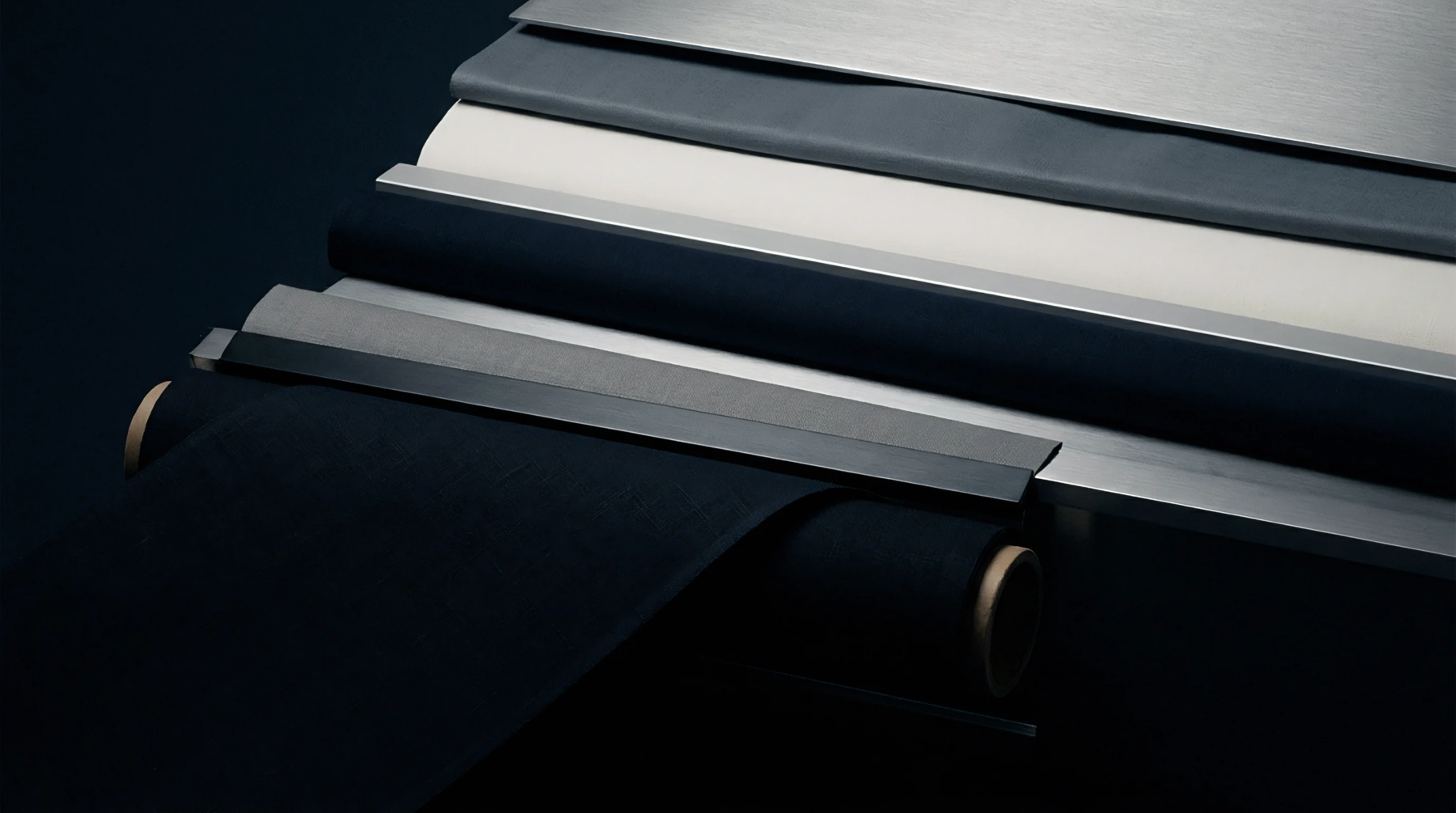
Automated fabric point calculations depend on spatial quantization accuracy, defect clustering logic, and width-normalized scoring to mirror ASTM D5430 standards.

Asymmetric shed geometry causes unequal warp sheet strain during beat-up, spiking dynamic tension and triggering end breaks at high speeds.

Asymmetric shed geometry and early crossover timing reduce flax peak tension, preventing end breakage on high-density linen warps without sacrificing speed.

Calculating maximum warp end density requires adjusting Peirce geometric jamming models for yarn compaction, reed clearance, and shed beat-up force limits.

Predicting off-loom longitudinal warp contraction in high-density flax jacquards requires combining geometrical crimp, flexural stiffness, and hygroscopic relaxation factors.

Manage wet desizing by matching size chemistry to bath temperature and pH while auditing cellulose degree of polymerization to prevent loss of fiber strength.

Calculating reed denting widths for heavy flax requires factoring yarn diameter, wire air gap above fifty percent, and weave-specific width contraction.

Water-assisted pneumatic splicing increases bast fiber splice strength above 80% retained strength by plasticizing pectin with 10-30 µL atomized water mist per cycle.

Dynamic warp tension spikes during high speed rapier shedding are controlled through active backrest compensation and optimized shed opening geometry.

Pneumatic yarn splices in linen warp must balance wrapper coil friction and splice diameter to prevent abrasive fatigue failure during high-speed loom shedding.
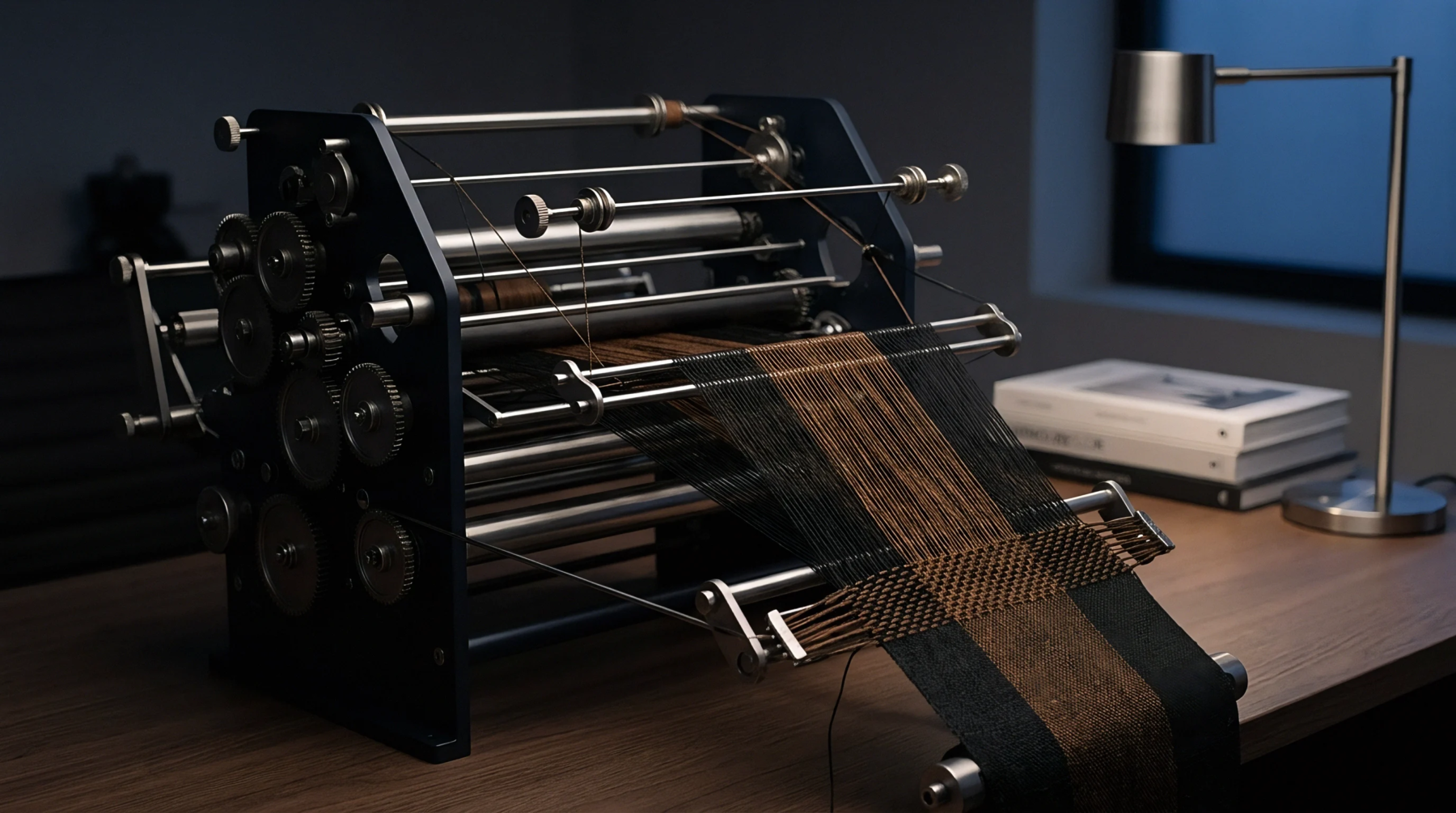
Viscoelastic size film failure under high frequency air jet shedding stems from dynamic glass transition shift and energy dissipation limits.
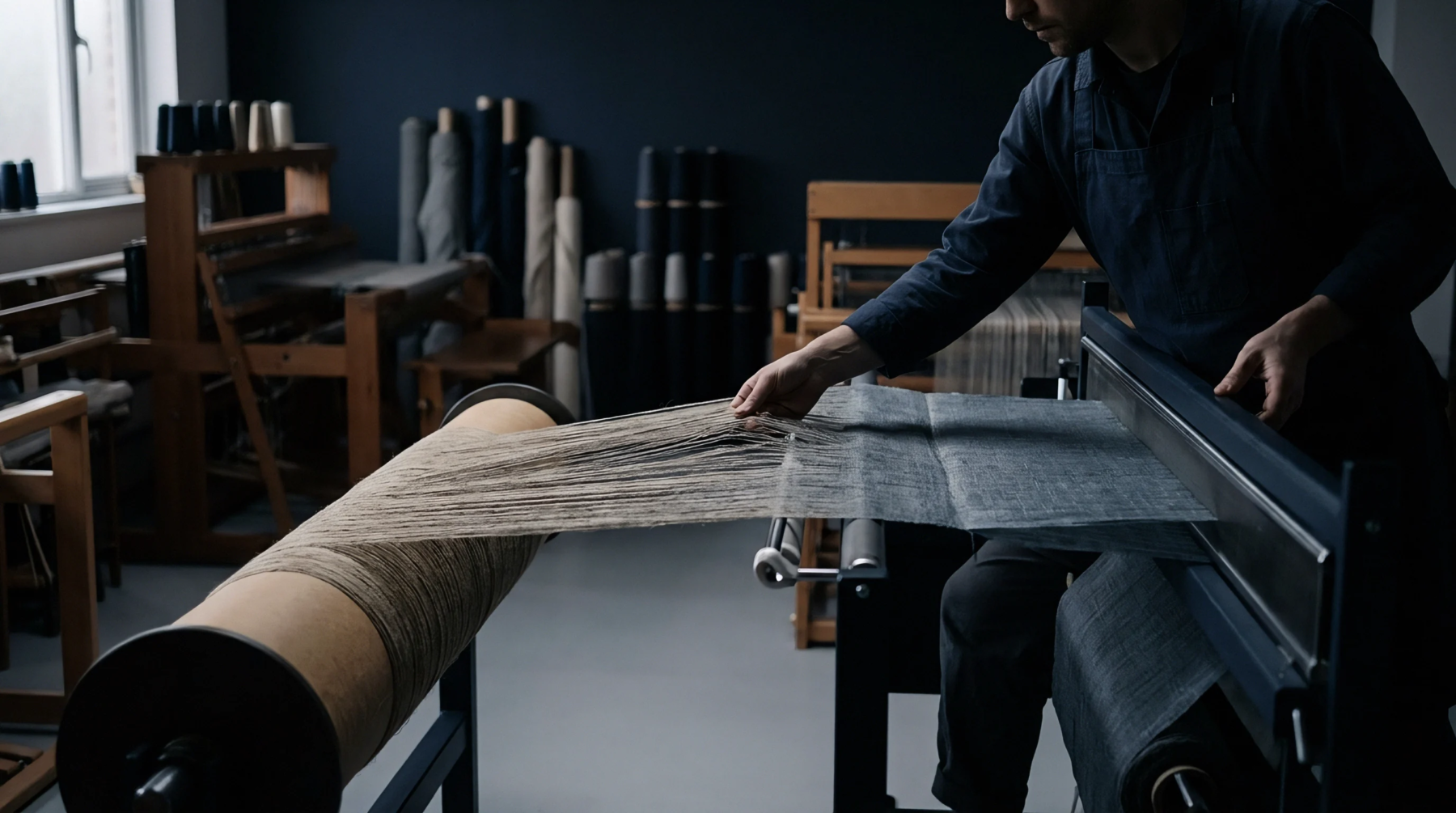
Optimizing starch and PVA size rheology balances shear-thinning viscosity for precise core penetration, reduced warp stops, and maximum air-jet loom output.

Mastering yarn count conversions and warp sett calculations enables technical buyers to optimize cover factor, greige yield, and loom-hour costs precisely.

Residual pectins in wet spun flax undergo thermal mass loss at 105 degrees Celsius, creating up to 1.8 percent dry weight errors in commercial mass verification.

Commercial moisture regain recalculations convert received damp flax mass to clean dry mass plus standard allowances, eliminating paid water weight from invoices.
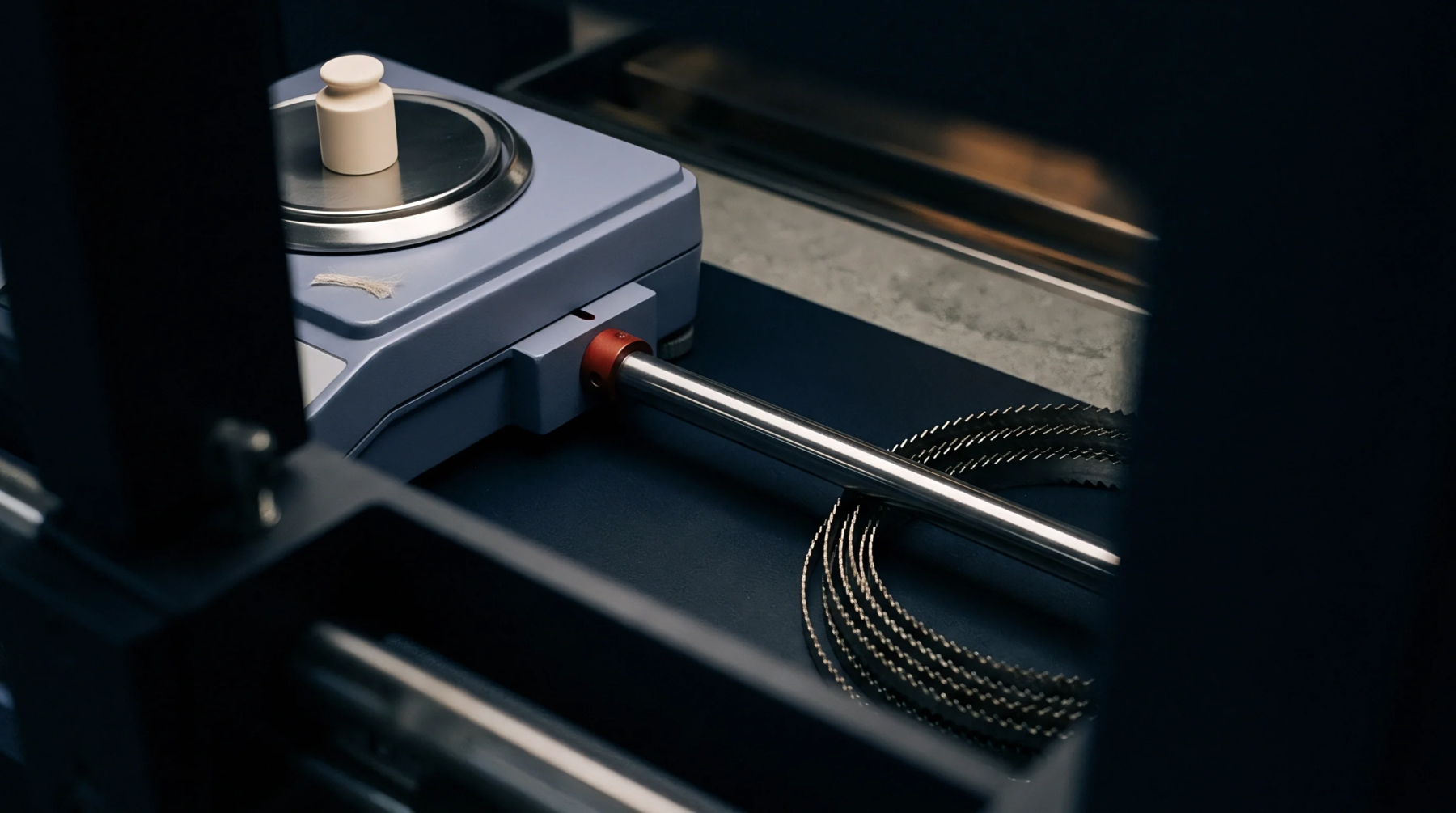
Standard woven linear density testing reconciles cloth mass per linear metre with desized, straightened yarn tex under controlled humidity.

Residual pectin above 3 percent prevents fiber bundle flattening, inducing premature mechanical yarn jamming that cuts rapier loom efficiency by 19 percent.

Scouring linen increases GSM despite mass loss because wet viscoelastic crimp interchange condenses thread count faster than non-cellulosic extraction lightens yarn.

Deriving greige linen count requires dividing target finished linear density by chemical yield and adjusting for warp crimp, reed spread, and sizing loss.

Dynamic weaver dispatch using Hawkes process intensity modeling cuts linen warp stop wait times by seventy percent and secures eighty-nine percent shed efficiency.
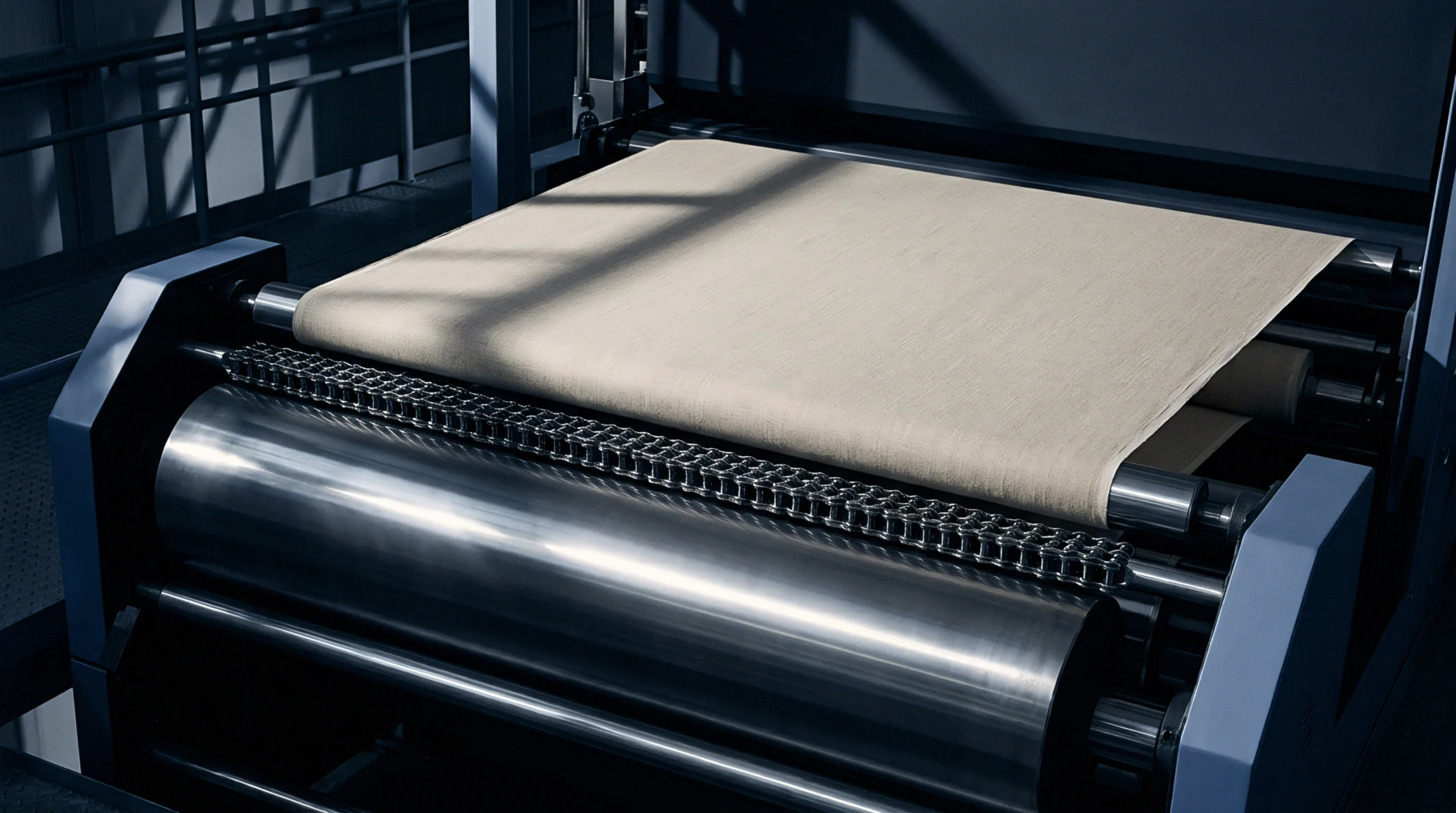
Finite population queueing models quantify loom interference losses, preventing over-assignment that drives down air-jet shed efficiency below economic targets.

Weaver allocation balances labor wages against machine interference losses, where optimal loom-to-operator ratios maximize amortized shed efficiency.
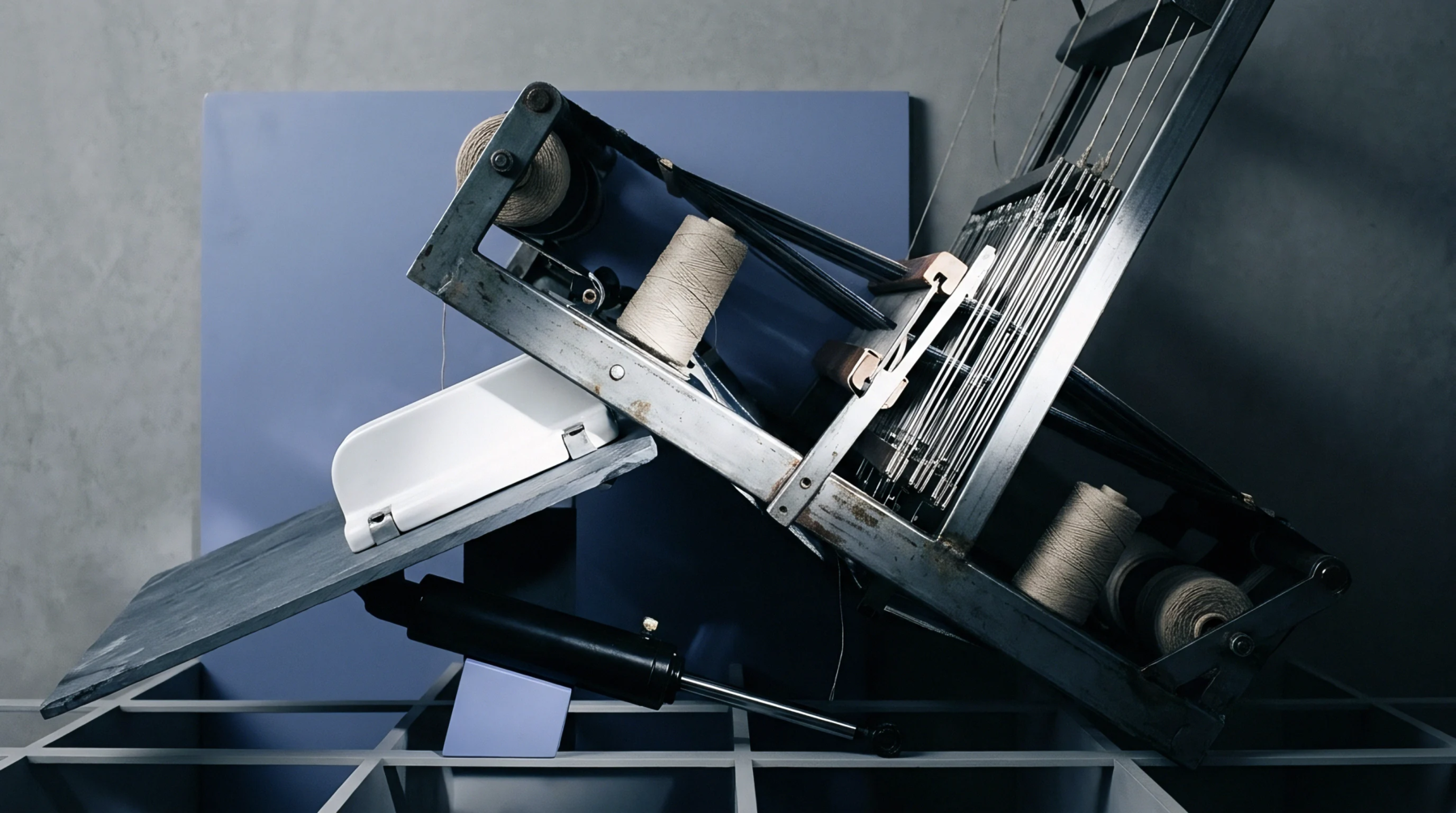
Non-isothermal humidity gradients drive non-linear capstan tension amplification in high-density linen sheds, increasing end break rates unless controlled.
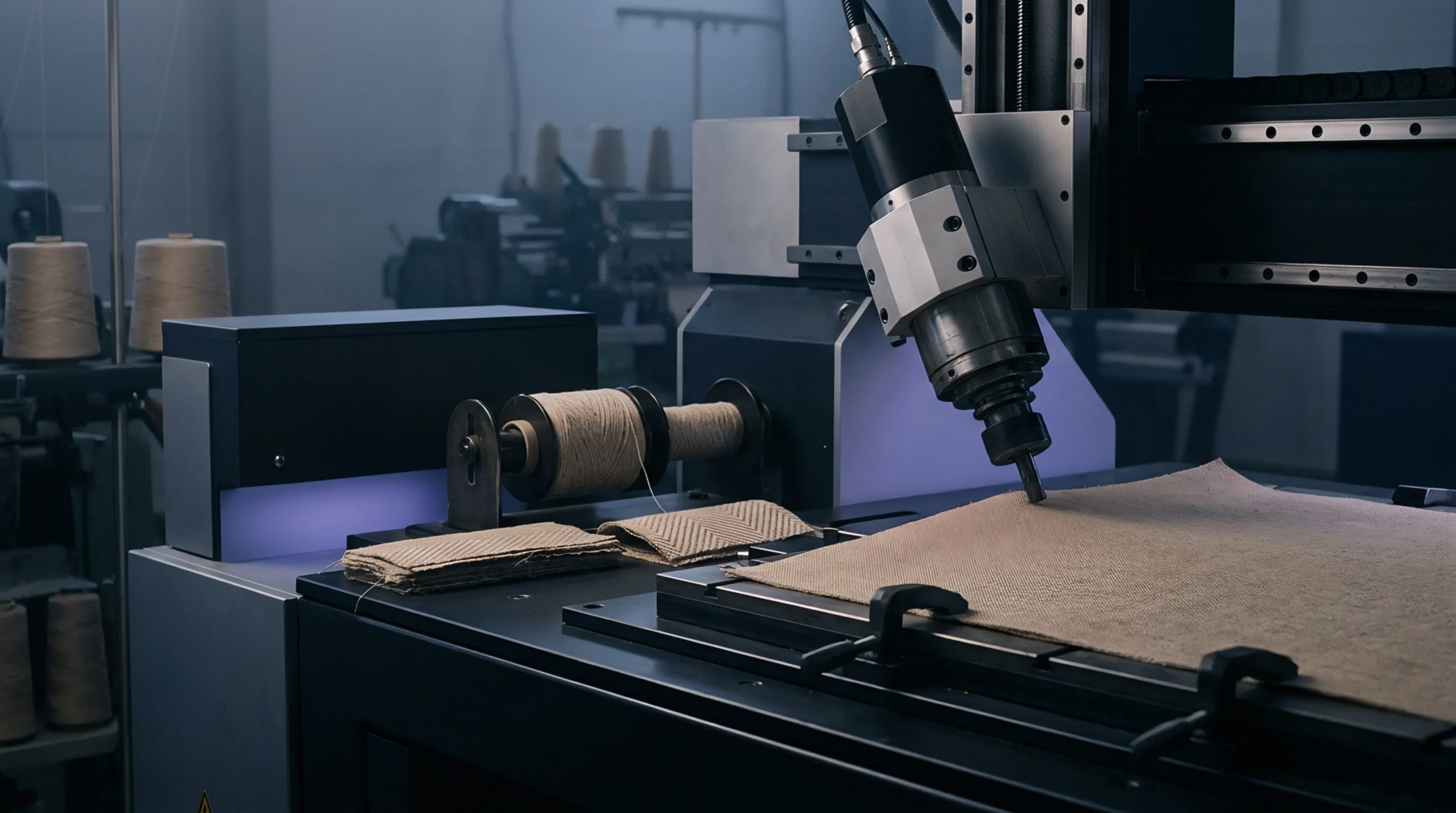
Maintain localized shed humidity at 72-78% RH at 21°C dry bulb with 5-10 micron fogging to achieve 12% regain and prevent warp breaks in high-speed flax weaving.

Dynamic friction coefficients in fine wet spun linen warps depend on moisture regain and sizing film integrity, directly dictating loom speed limits.
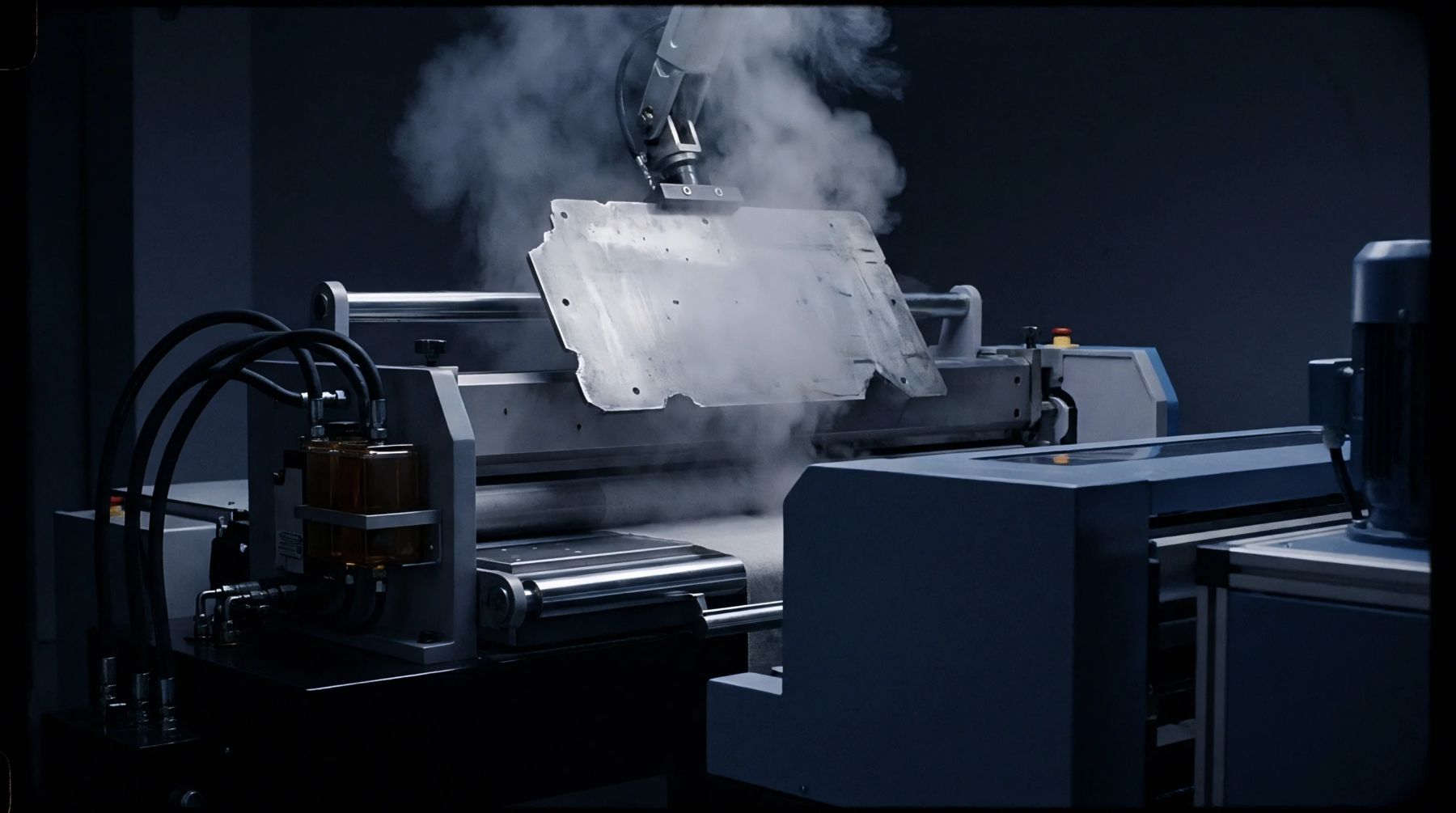
Fine wet spun linen warp breaks are minimized by capping dynamic shed strain below 2.0% through asymmetric back-rest tuning and controlled relative humidity.

Controlled PVA sizing bounds radial penetration between fifteen and twenty-five percent, preserving internal flax flexibility while suppressing shed abrasion.
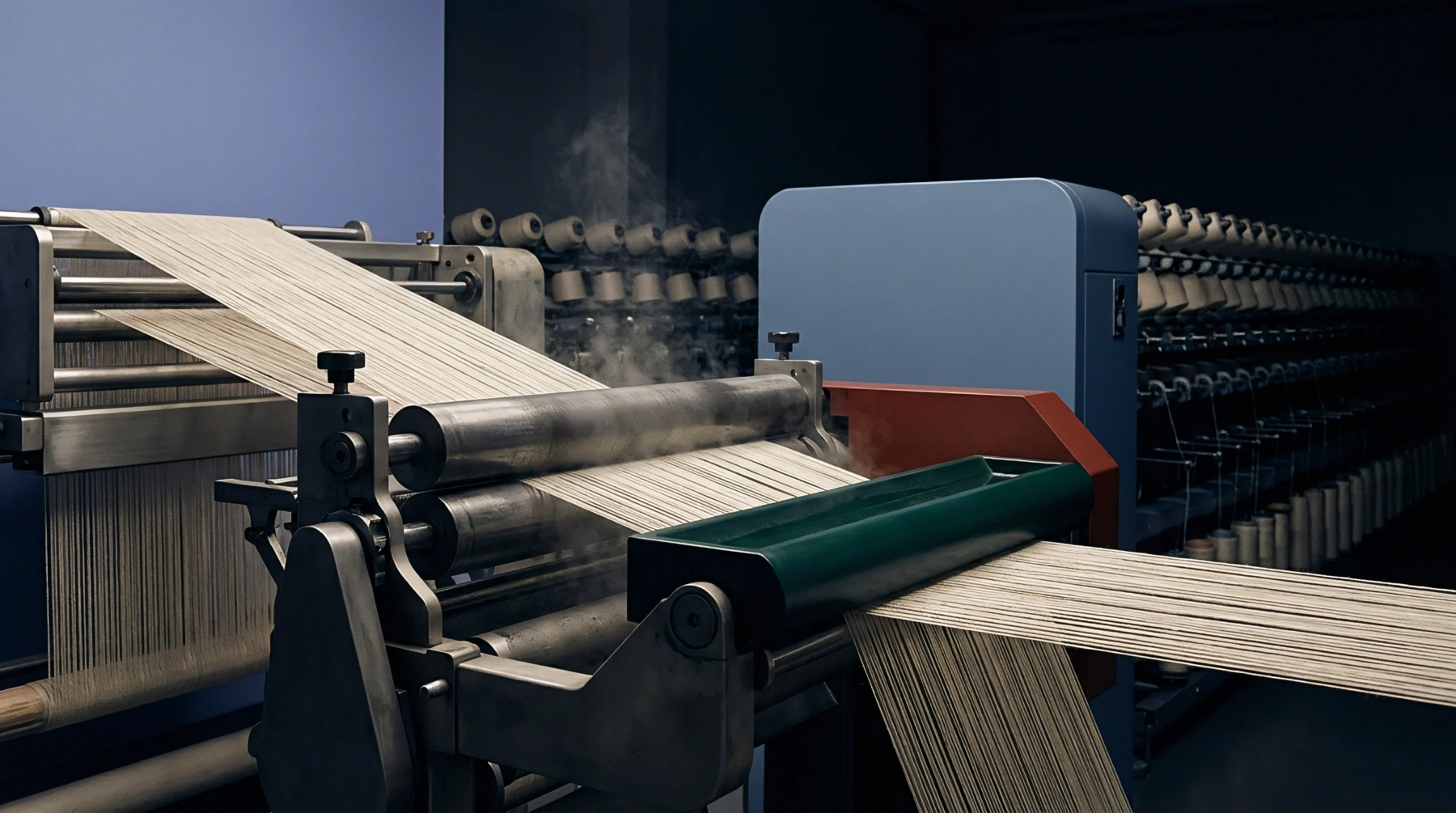
Wet spun linen warp yarn requires a minimum dry tenacity of 26 cN/tex to run on rapier looms at 85 percent efficiency.

High-speed shedding triggers pectin shear in wet spun flax, requiring dynamic tension adjustment to prevent viscoelastic decay, warp breaks, and costly stops.
Expertise is a utility, not a secret. sentiention™ publishes its working knowledge as open reference: intelligence layer covering the materials it sources, the markets it enters, and the reference that serves both.