Fabric Spacing
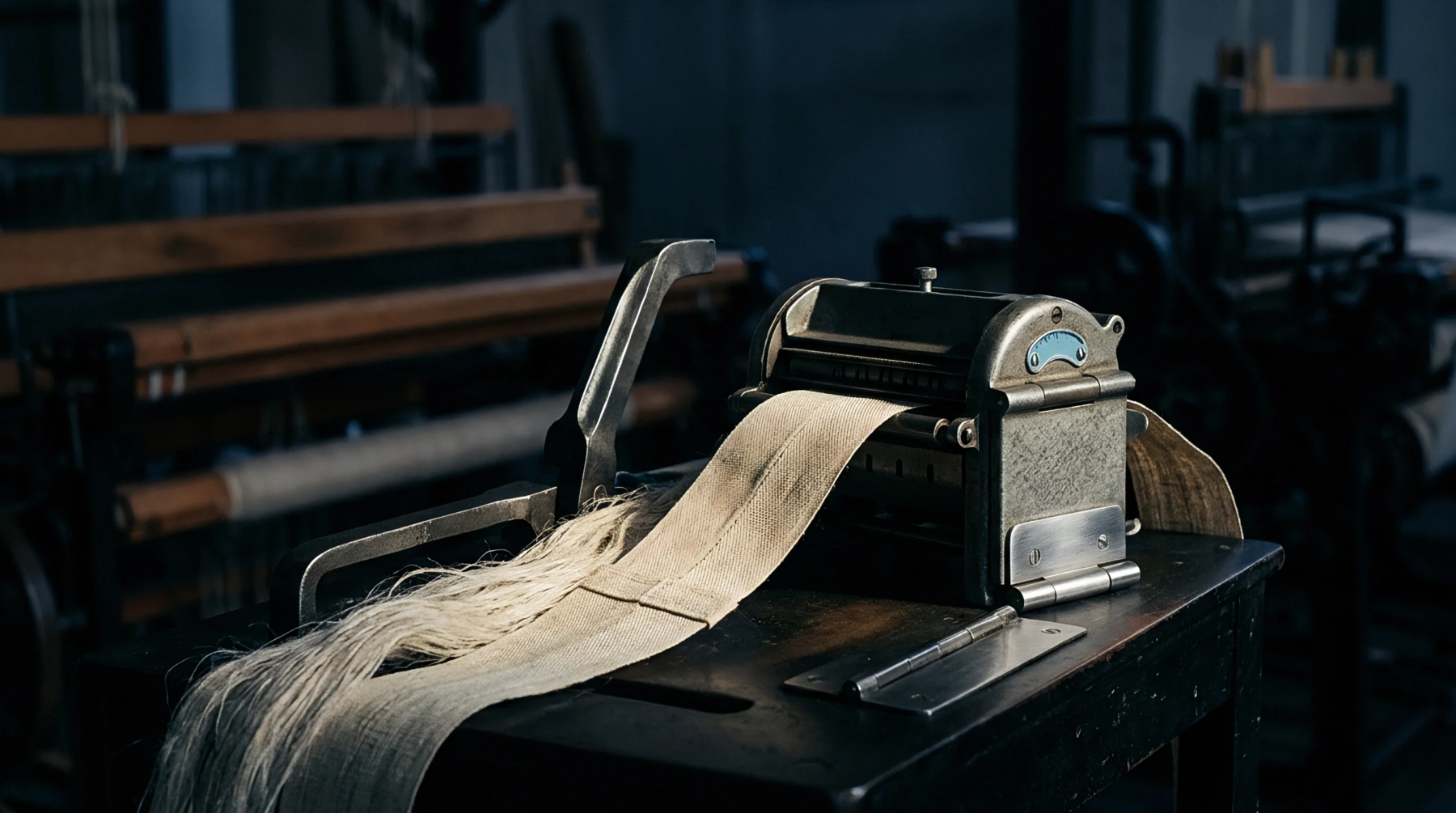
Mechanical settings determine the frequency of horizontal density variation within a finished linen cloth piece resulting from the physical movement of the reed against the warp during machine operation. Reed marks appear as light or heavy lines in the direction of the warp due to improper alignment or excessive force exerted by the steel wires. Spinning parameters define initial fibre quality but these defects belong to the loom house where tension management governs the final look of the grey goods.
Mill supervisors detect them by holding the fabric against a light source to observe shifts in the gap between grouped warp ends. Consistent width depends on the reed staying fixed in the lay because shifting generates a repeating pattern that compromises the grade of the export batch. Quality control protocols define the tolerance levels for these lines before the material leaves the finishing facility.
Production Variance
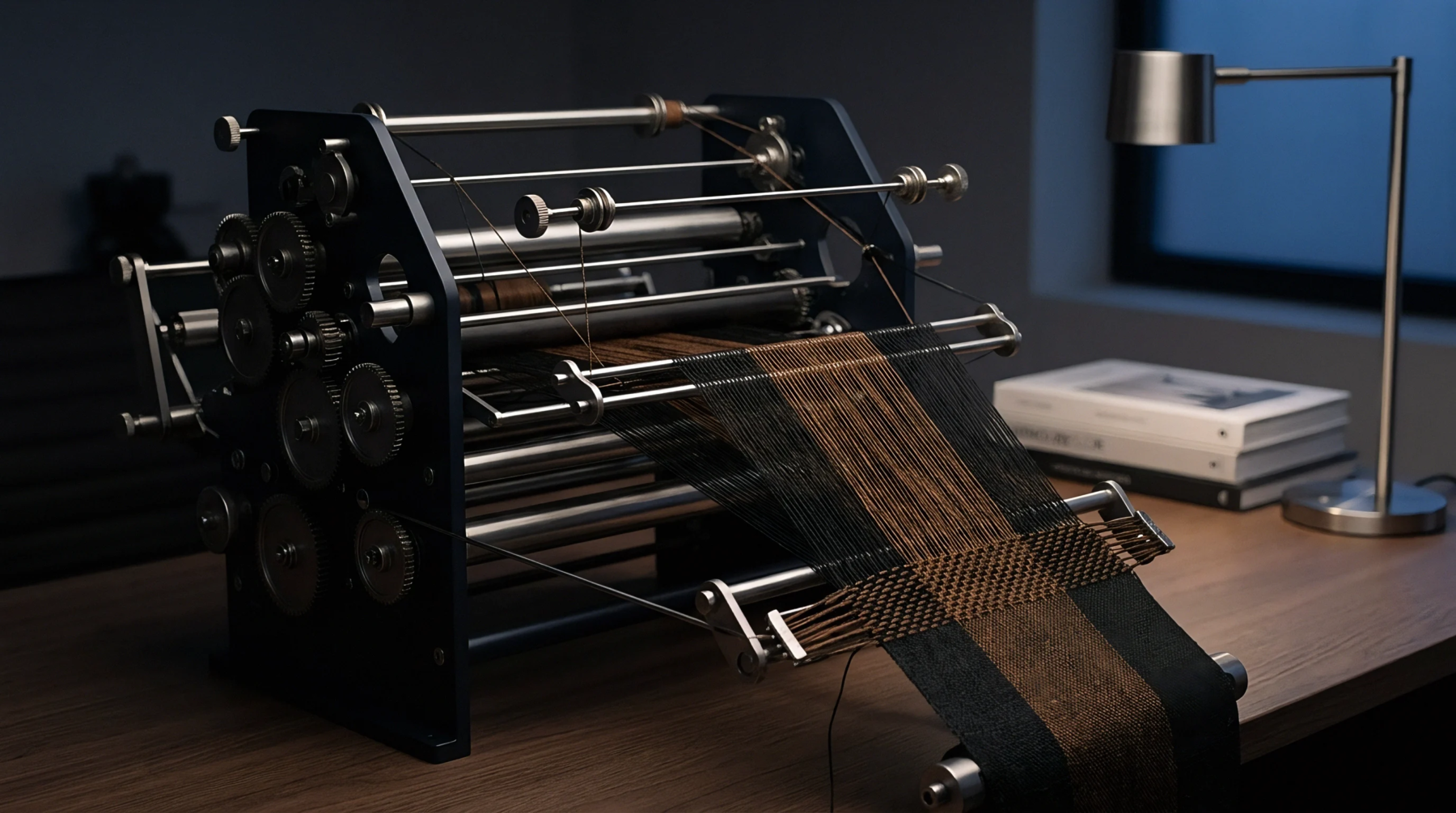
Internal calibration of the loom dictates whether the metal dent spacing remains uniform across the total width of the cloth. High tension during the beating motion increases the risk of damage if the reed dents are worn or misaligned. Technicians replace damaged components because uneven spacing alters the texture of the linen beyond acceptable manufacturing standards.
Fibre type affects how the warp reacts to these physical forces during repeated impact. Wet spinning produces a smoother yarn that hides minor inconsistencies better than dry spun flax. Measurements occur during the inspection of grey fabric rolls before bleaching or dyeing procedures begin.
Records exist in the mill register for every production run to track the machine state at the moment of manufacture.
Acceptance Criteria
Buyer requirements set the limit for visible defects in high grade linen intended for garment manufacture or table linens. International trade standards classify reed marks as imperfections that downgrade the fabric to a lower quality tier if the lines span significant sections of the width. Purchasing departments verify the absence of such faults by passing a specific length of the roll over an inspection table under uniform lighting.
Disputes arise when the defect density exceeds the agreed threshold for the specific order. Regular maintenance of the loom parts prevents long term loss of material value during the finishing phase.