Yarn Character
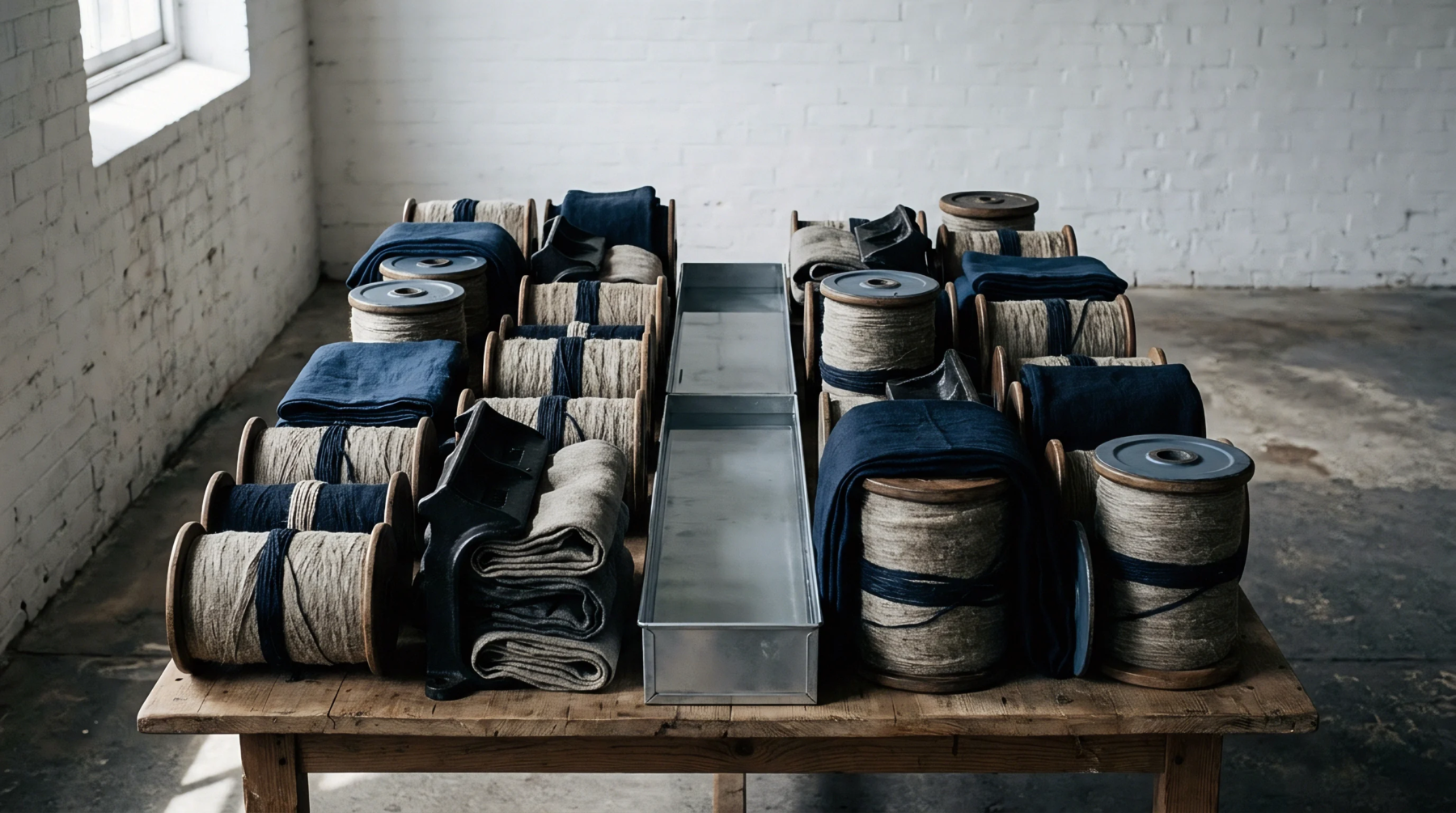
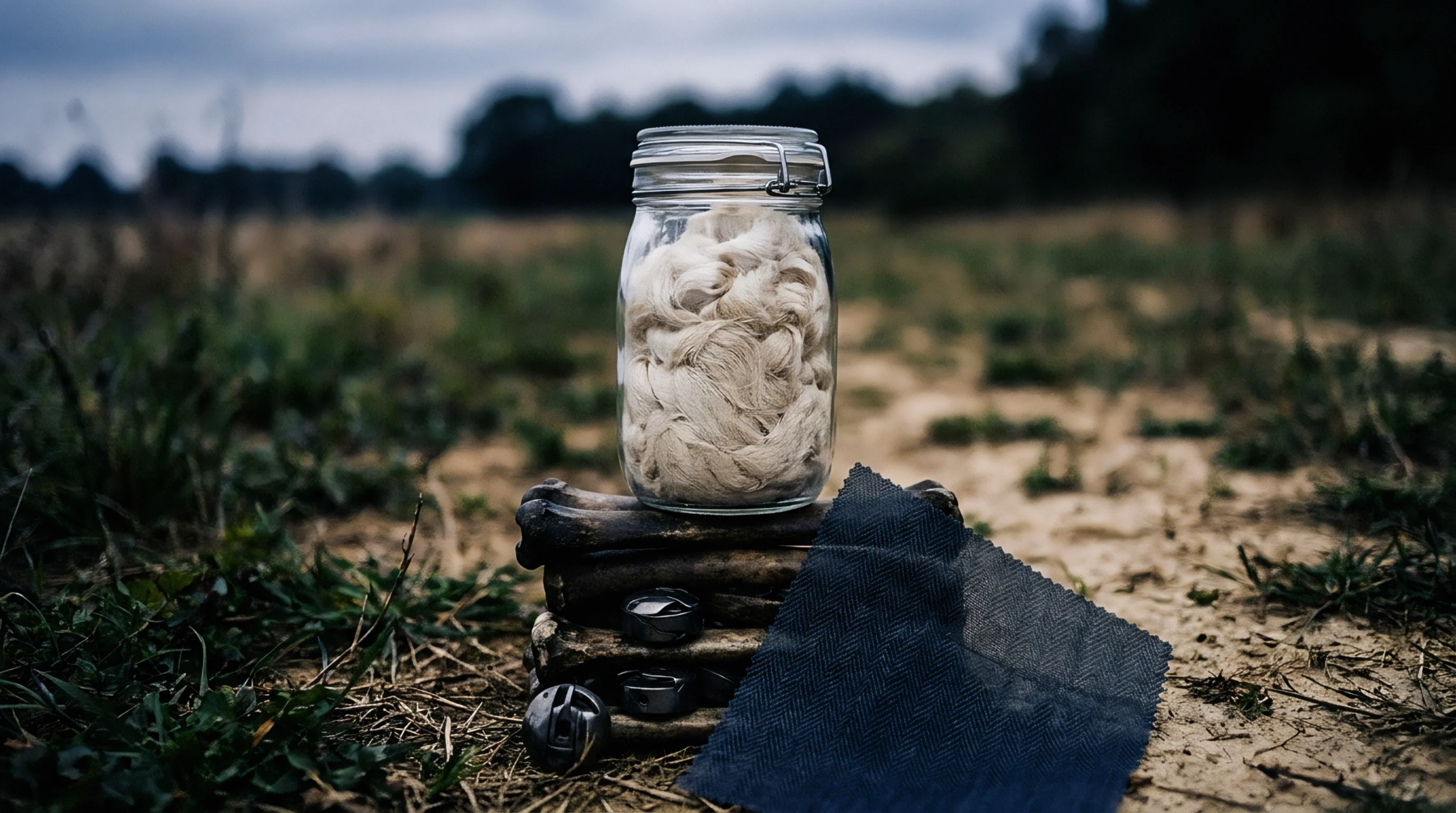
Coarse yarn produced from flax fibres without the aid of water during the drafting process constitutes a heavy-weight category of textile. Spinning mills produce dry-spun linen by drawing dry flax rovings on a spinning frame to yield a yarn of high density. Individual strands retain their natural pectin coatings because the process excludes the hot water bath used in wet spinning.
This lack of softening limits the draft ratio, resulting in a nominal count that generally remains below twelve lea.
Spinning Protocol
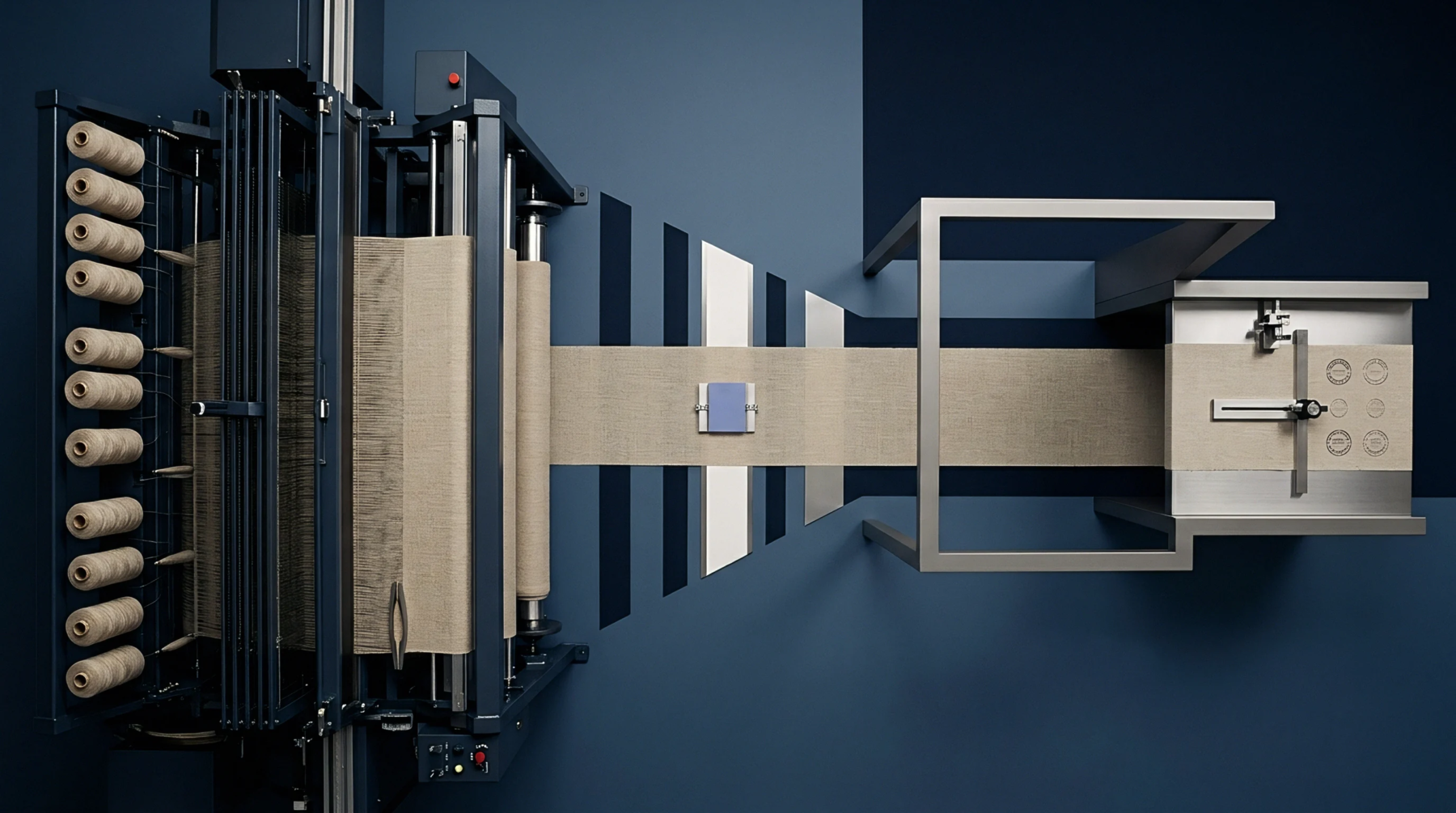
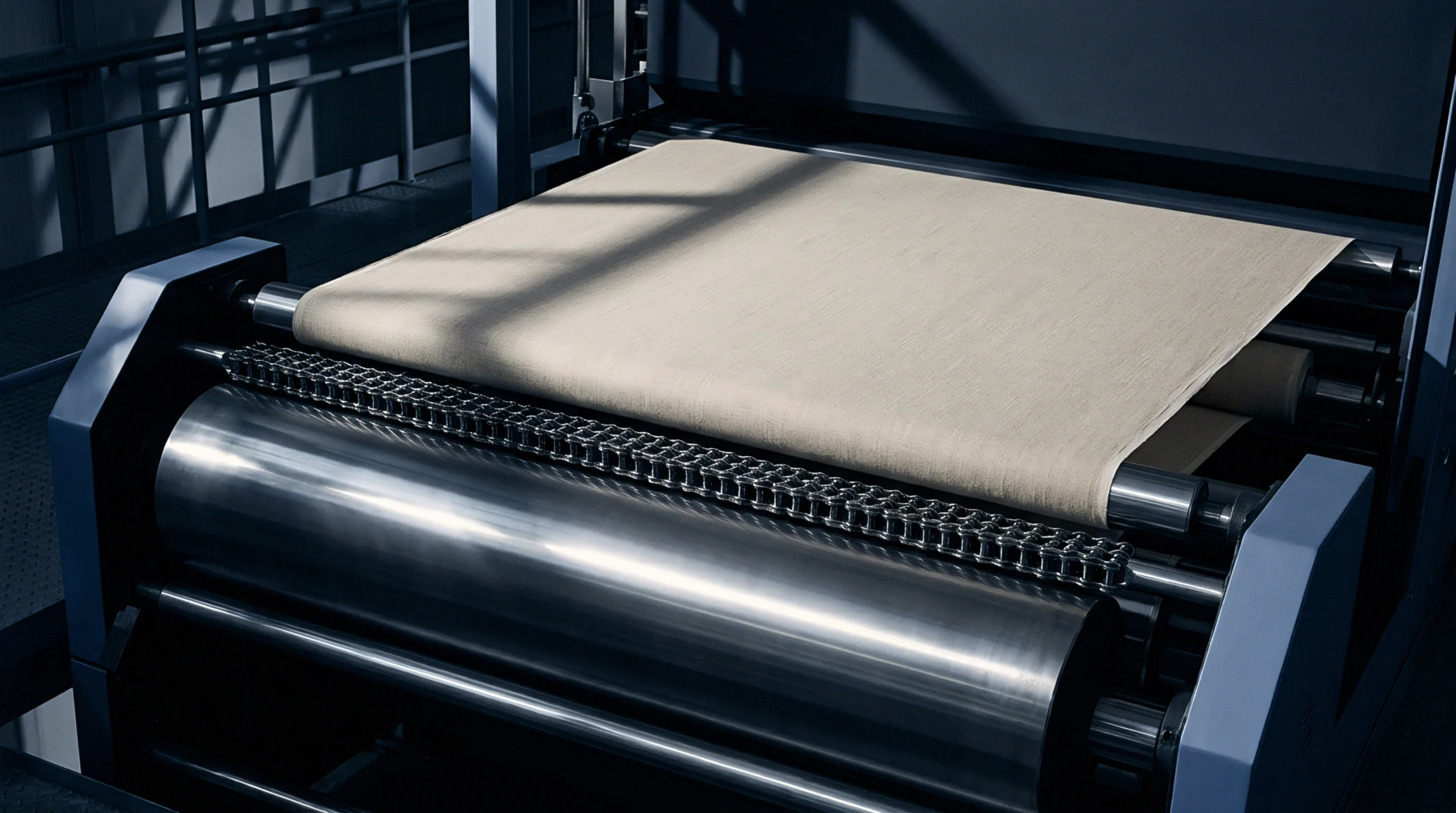
Drafting rollers operating on dry fibres require wider nip settings than those used for wet-spinning systems. In dry spinning, the drafting zone must accommodate longer flax bundles without causing excessive yarn breakages or drafting waves. The absence of liquid lubrication increases friction between the metal roller surfaces and the passing flax strand.
To compensate, mills maintain high relative humidity in the spinning room to preserve the minimal natural moisture of the fibre. Mill records document the twist factor applied to these yarns, which is higher than wet-spun configurations to ensure adequate cohesive strength. This elevated twist increases the tensile strength of the dry strand, making it resistant to the abrasive forces of high-speed industrial weaving looms.
Industrial Application
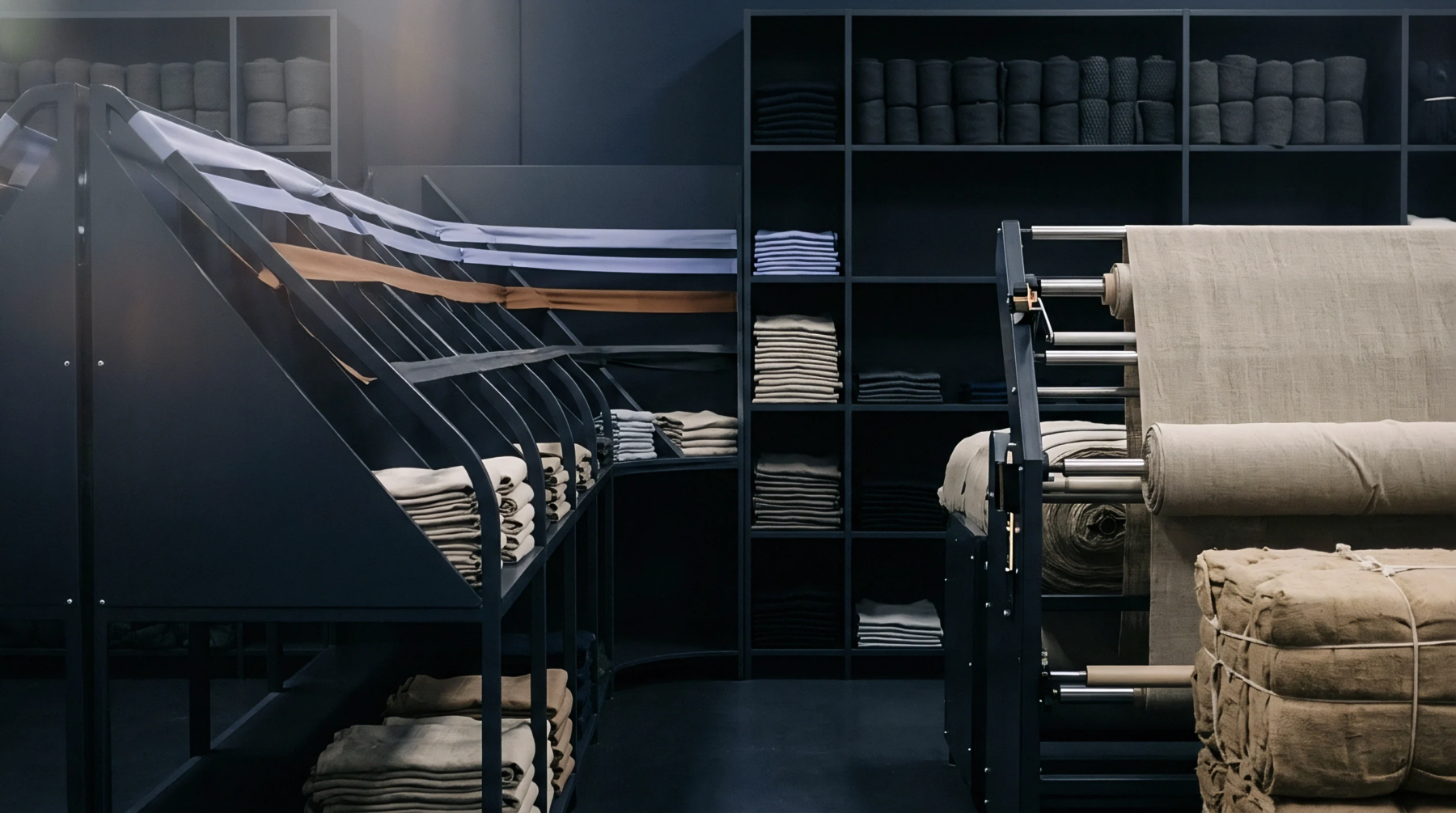
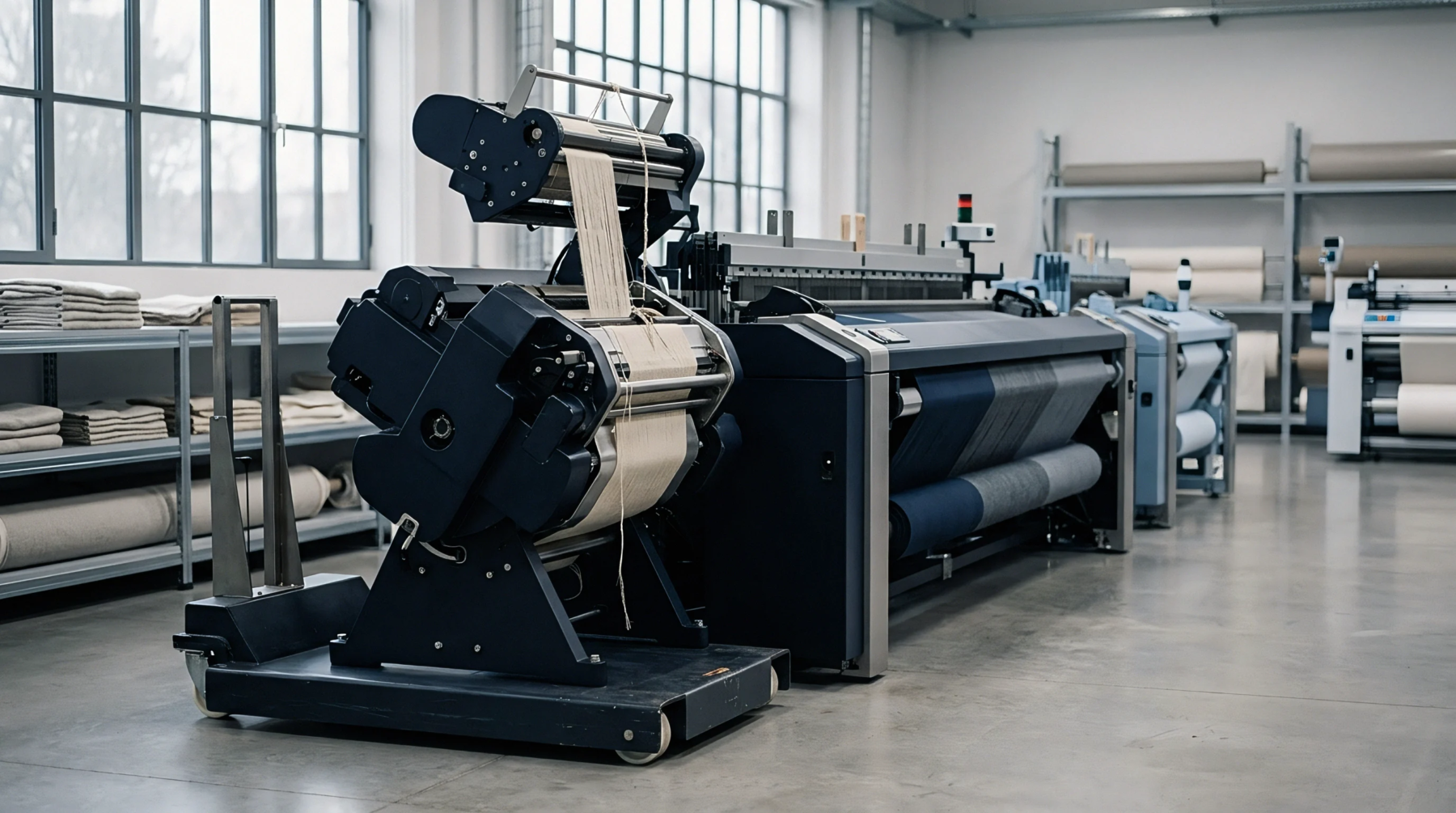
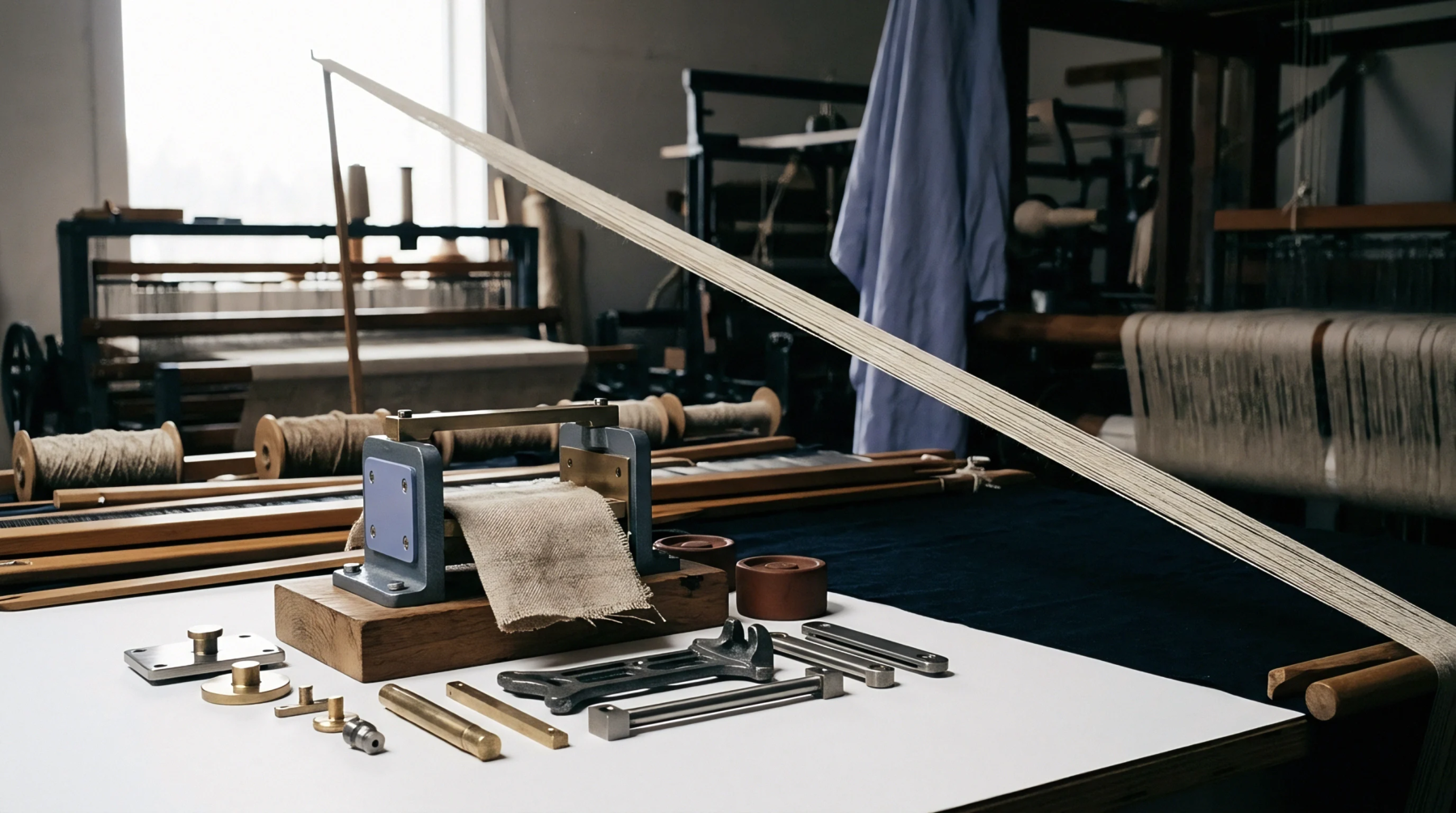
Heavy fabrics designed for durable utility utilize these stiff yarns to provide structural resistance in coarse weavings. Coarse yarn counts make dry-spun linen suitable for heavy canvas, twine, upholstery backing, and industrial bagging. Weavers must adjust their loom tension settings to accommodate the lower elasticity of these yarns.
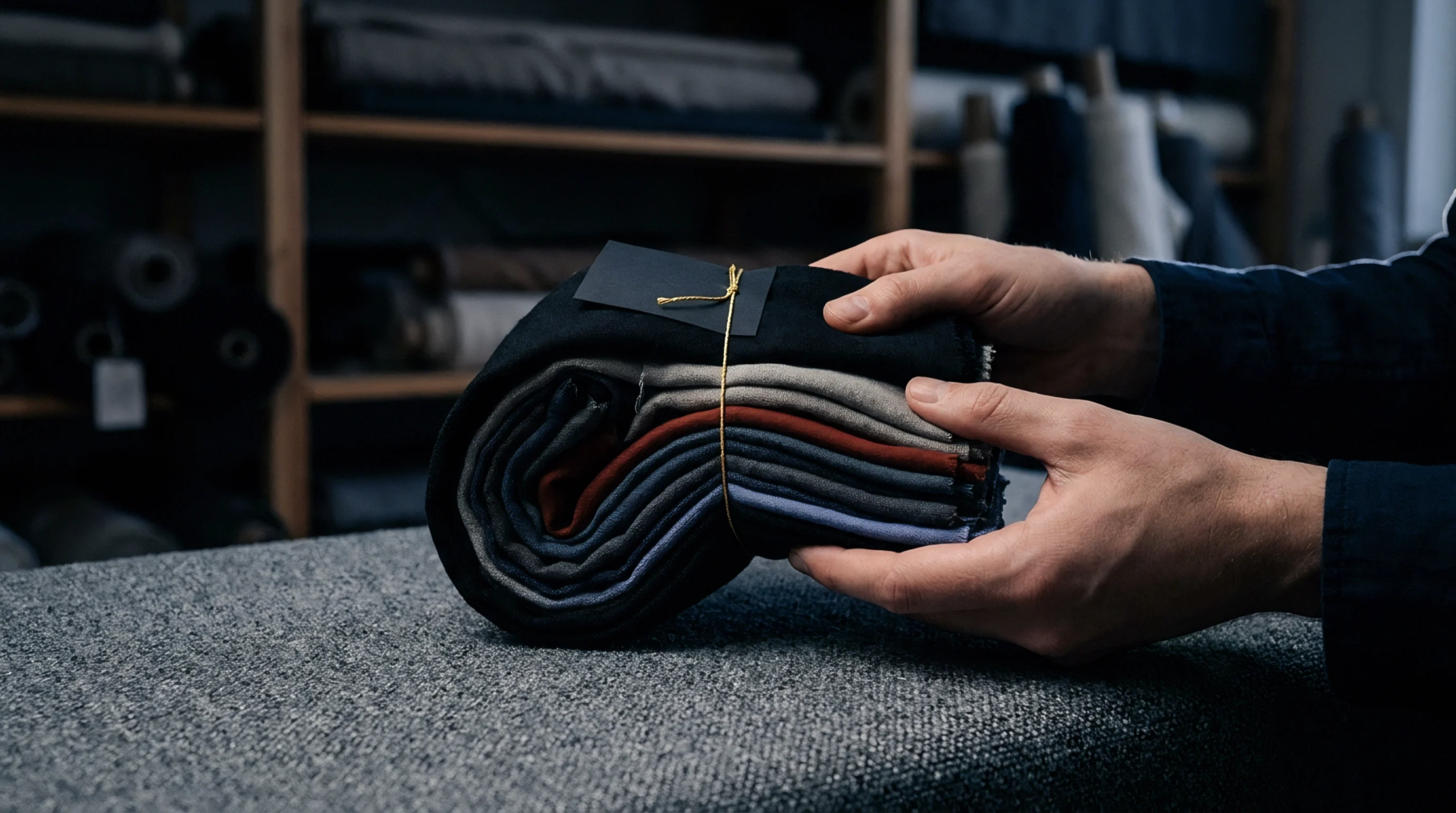
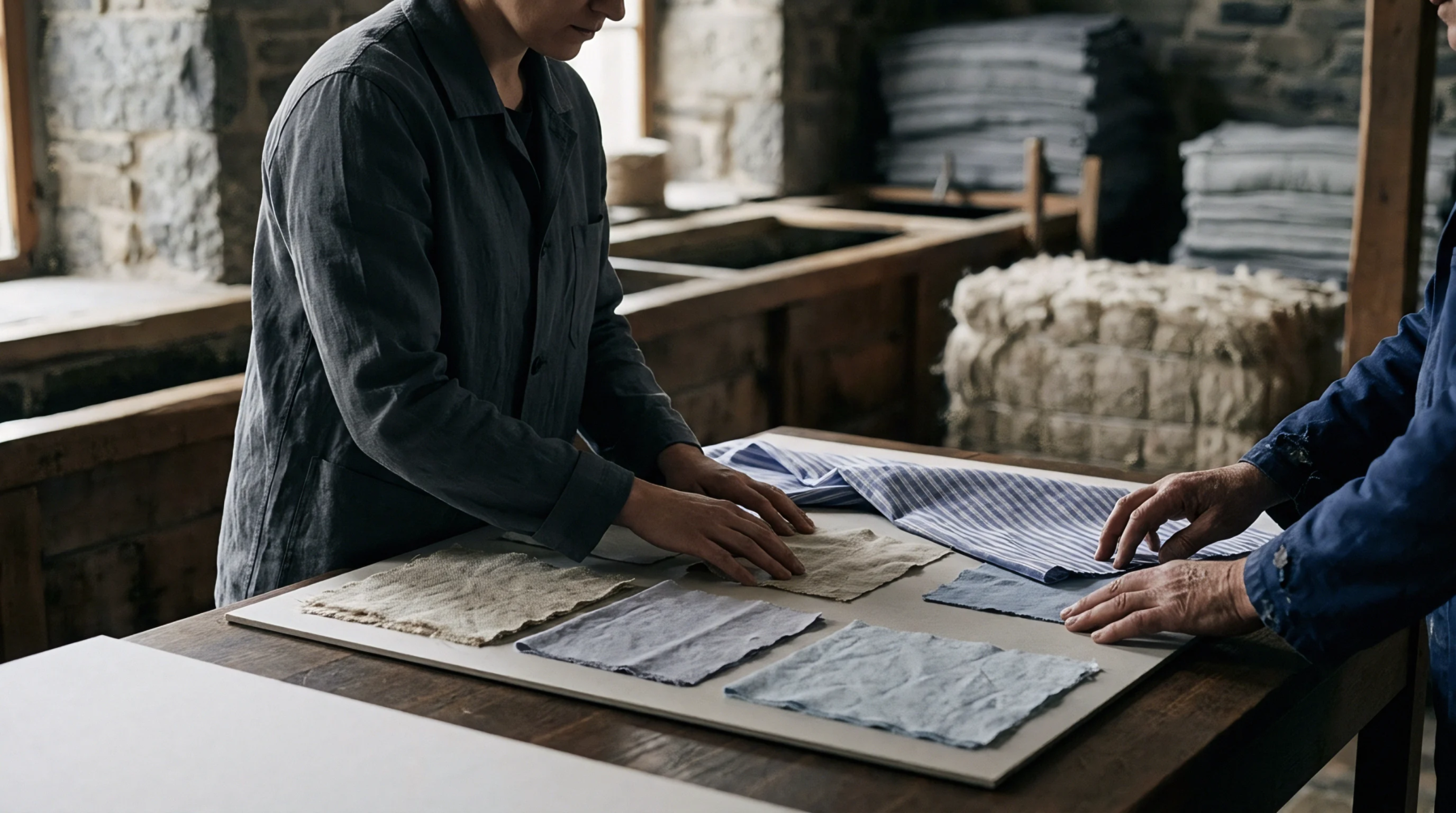
Mill specifications for the final cloth indicate the dry-spun origin by a higher weight per square meter and a characteristic slubby surface texture.