Spinning Methodology
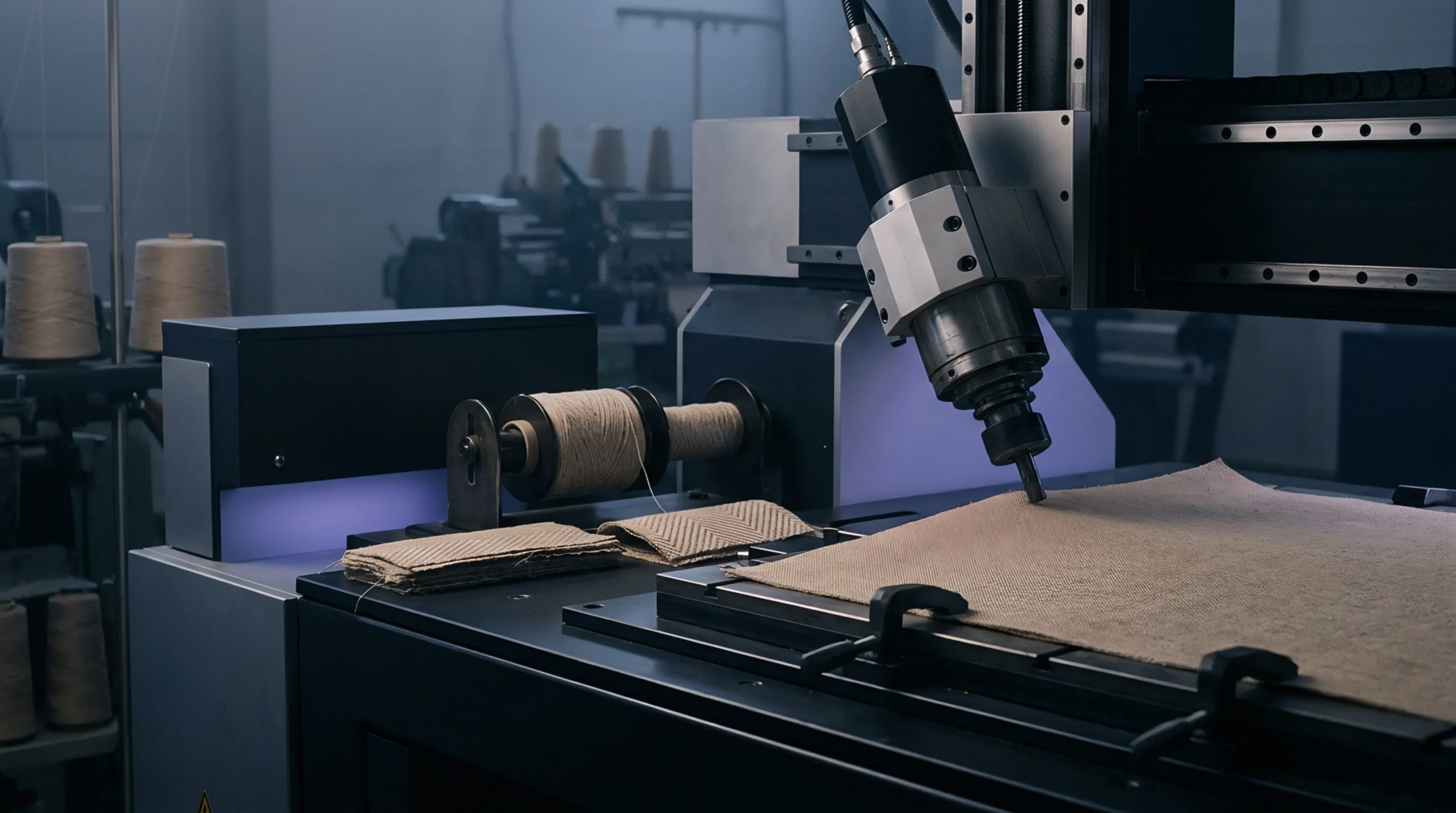
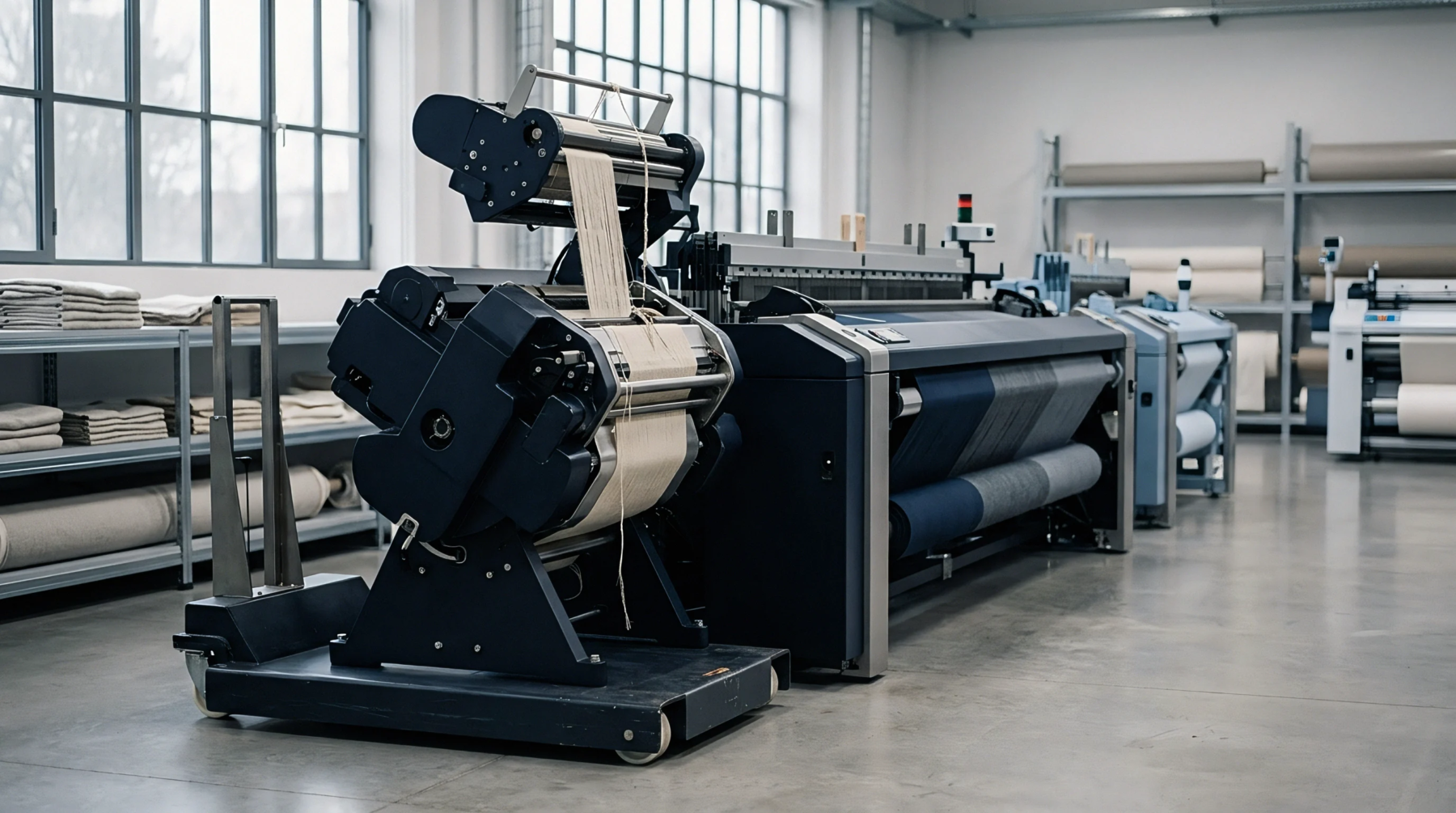
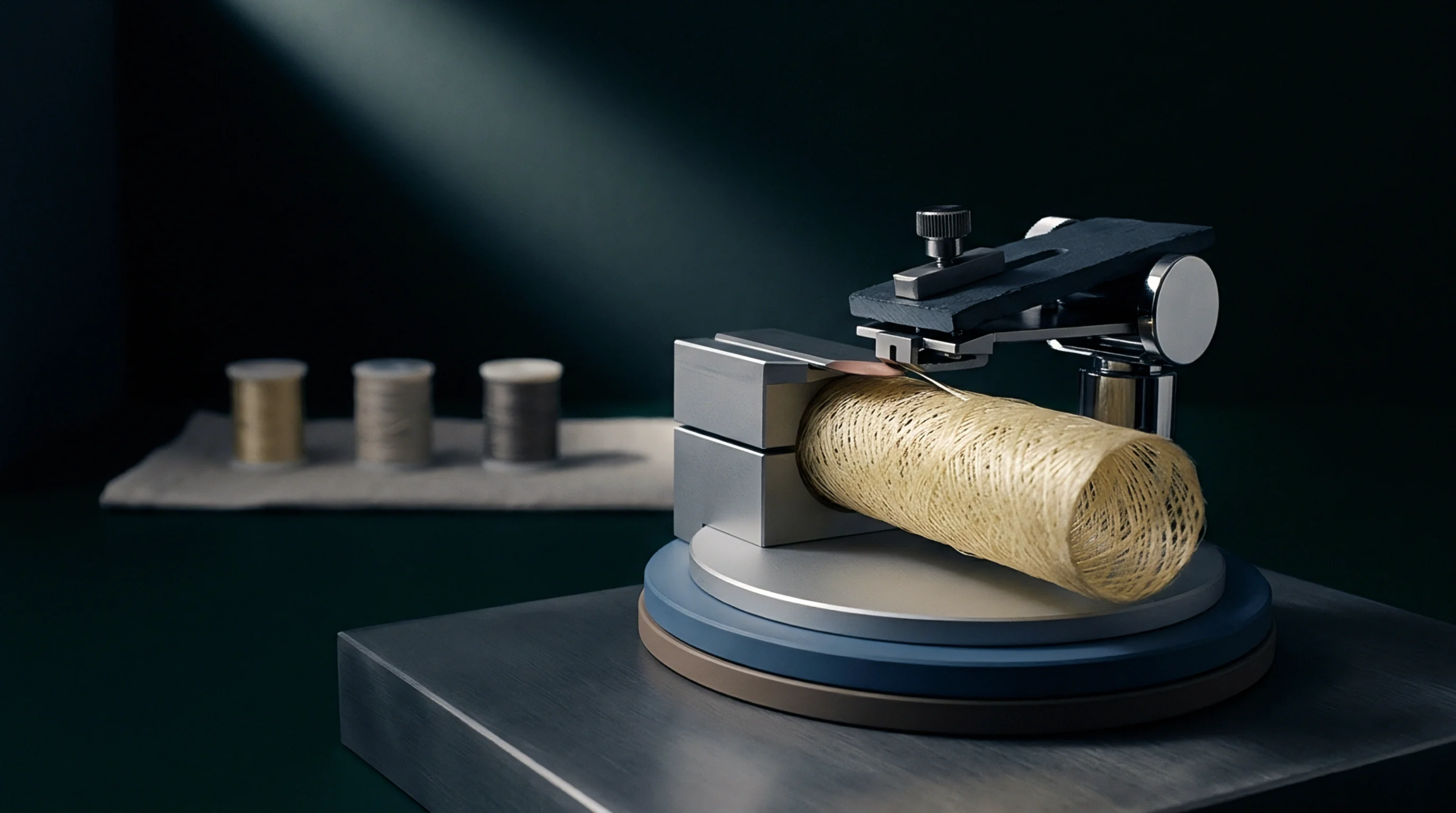
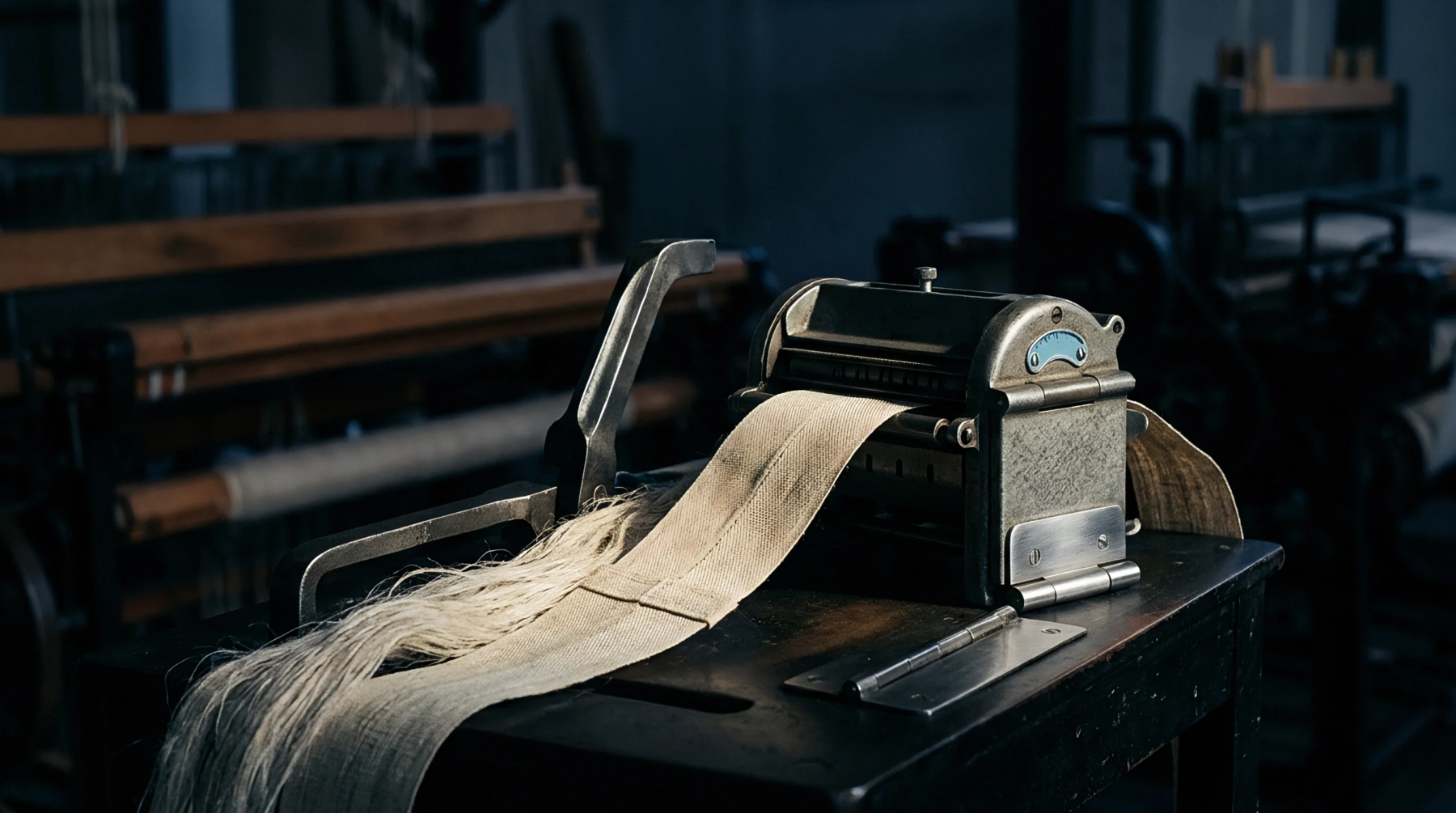
Industrial flax production relies on a controlled hydration process to align plant fibres into a continuous strand. During this production stage, wet-spun flax yarn undergoes immersion in heated water tanks to soften natural pectins before passing through fine rollers. This mechanical action reduces fibre diameter and increases linear uniformity compared to dry processing methods.
Mills measure the outcome against established international count standards which define weight per length ratios for specific industrial applications. Quality control documentation tracks moisture retention during the drawing phase to ensure the sliver maintains structural integrity. Final output consistency depends on precise water temperature calibration and roller tension management throughout the entire spinning duration.
Production Grade
Each batch requires rigorous assessment of fibre cleanliness and tensile strength to confirm compliance with factory specifications. Spinning facilities issue technical certificates that distinguish between spinning consistency and final fabric potential. Internal mill standards frequently exceed the minimum buyer acceptance criteria by prioritizing reduced hairiness and superior dye absorption characteristics.
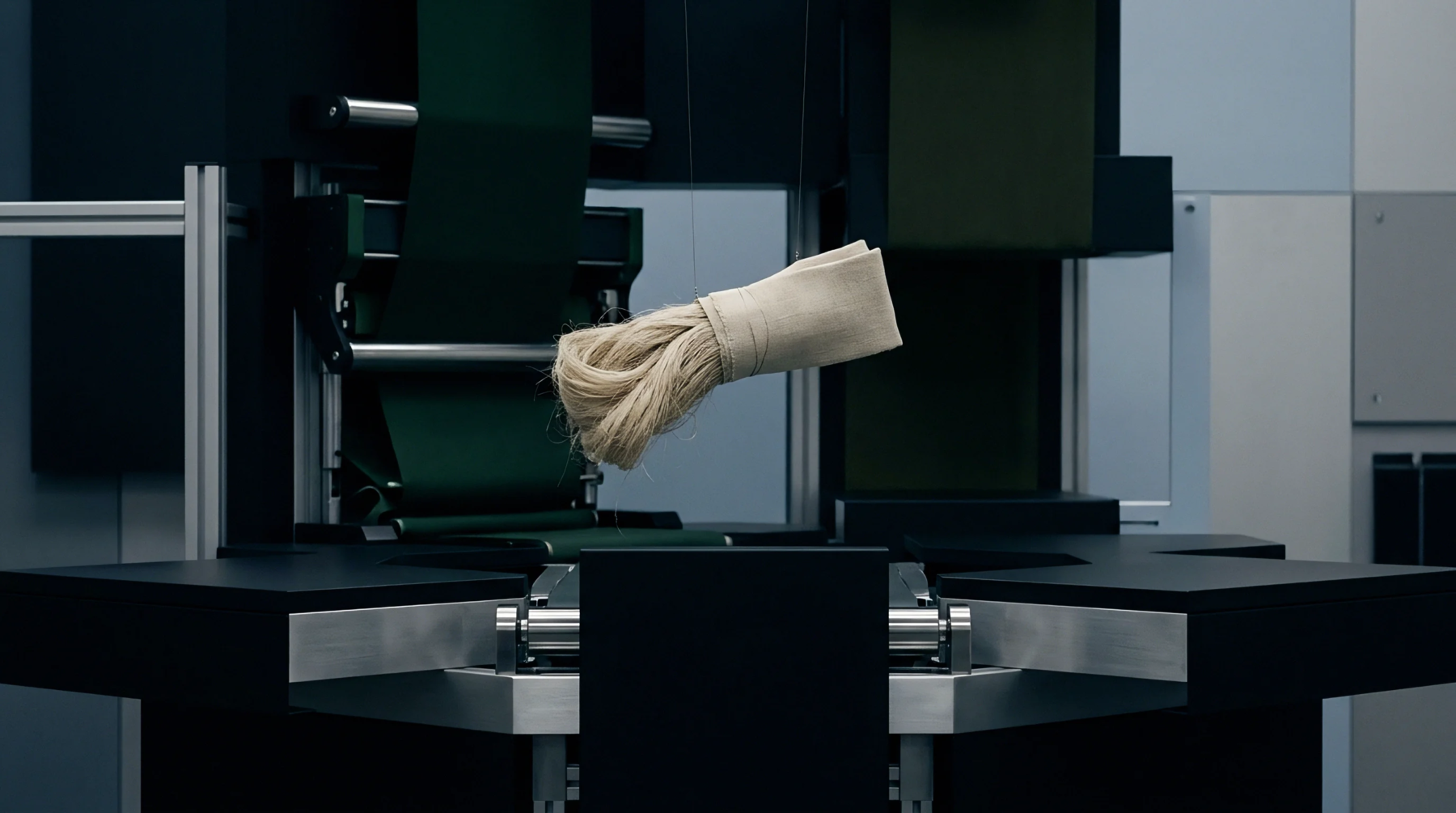
Inspectors evaluate the sliver through microscopic analysis to identify potential flaws in fibre alignment or residual vegetable matter that remains after retting. Discrepancies between mill output and purchase contracts trigger batch rejection protocols at the export terminal. Laboratory records document the twist factor and abrasion resistance for every production run to verify the mechanical performance of the resulting textile material.
Export Specification
International trade contracts demand verified provenance and technical data for every shipment exiting the facility. Shipping manifests incorporate the mill test report to confirm physical properties match the requirements of overseas weaving operations. Logistical teams monitor the hygroscopic nature of the material to prevent degradation during ocean transit while ensuring the humidity remains stable within the container environment.
Packaging materials provide protection against contamination from airborne pollutants or physical impact that disrupts the alignment of the inner coils. Professional oversight ensures that the moisture content stays within acceptable commercial tolerances during the transit cycle. Proper documentation confirms that the physical properties remain stable under standard atmospheric conditions upon arrival at the destination port.