Translating Handloom Fabric Structure into High-Speed Rapier Specifications
Translating handloom weave structures to rapier looms requires increasing yarn twist, sizing cohesion, and thread spacing to survive peak insertion stress.
Translating handloom weave structures to rapier looms requires increasing yarn twist, sizing cohesion, and thread spacing to survive peak insertion stress.

Calculating maximum warp end density requires adjusting Peirce geometric jamming models for yarn compaction, reed clearance, and shed beat-up force limits.

Mastering yarn count conversions and warp sett calculations enables technical buyers to optimize cover factor, greige yield, and loom-hour costs precisely.

Heavy linen Jacquard damask surcharges compensate for low loom speeds and dual-beam crimp variance required to prevent structural warp defects in stiff flax yarns.
High-density flax weaving contracts require Ashcroft queueing models to adjust loom-hour rates for non-linear machine interference losses.
Warp take up ratio in grey plain weave determines true yarn length from cloth length, calculated via thread density, diameter, and crimp geometry.
Reconciling wet processed linen weight loss against loom hour billing requires adjusting greige pick counts for chemical extraction and structural shrinkage.

Night-shift linen weaving defects disappear when electronic let-offs calibrate dynamically to mill hall relative humidity drops and machine thermal expansion.
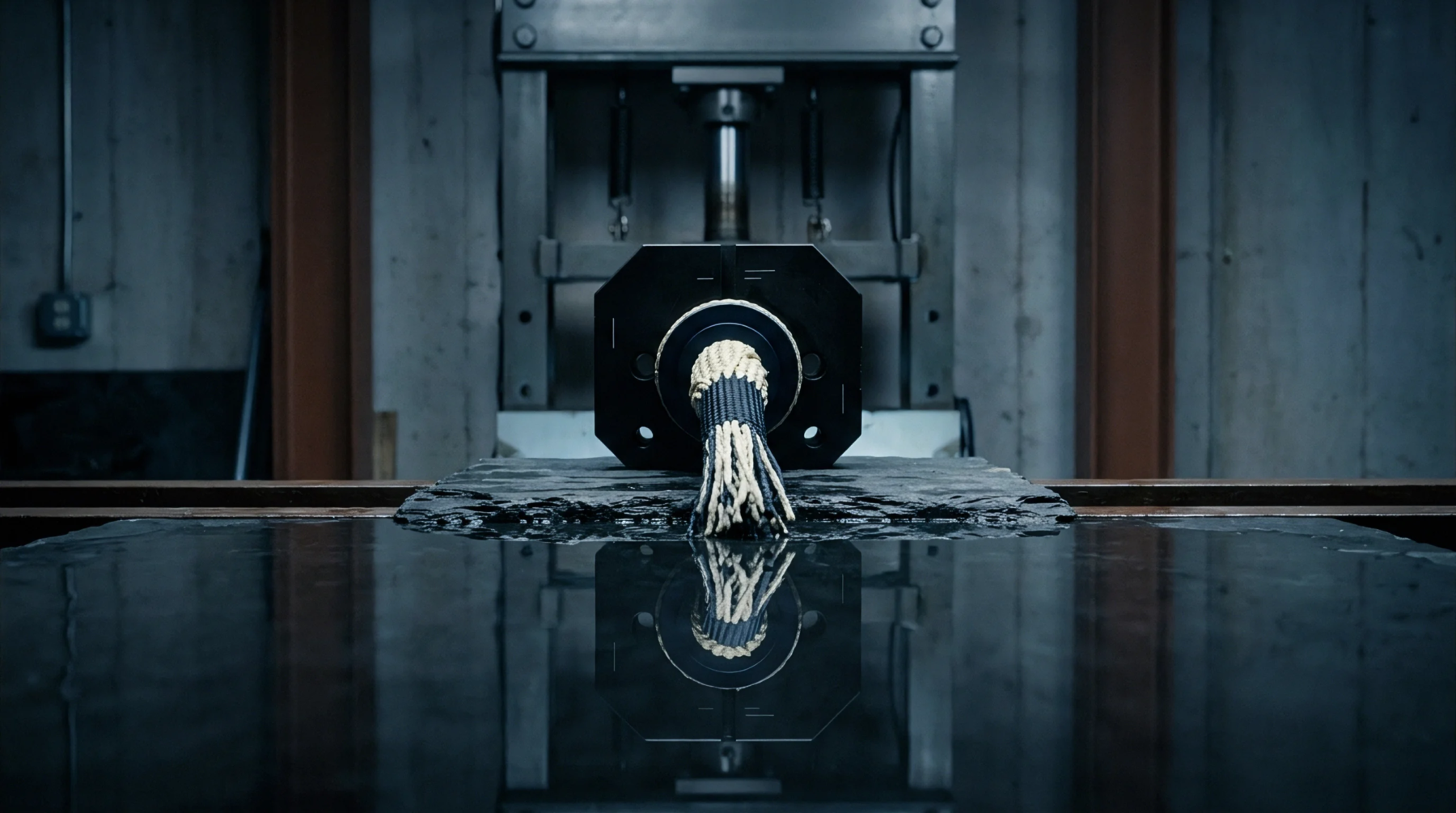
Industrial cross-linking locks flax yarn mobility, driving tear strength losses up to forty percent while restricting structural shear resistance.
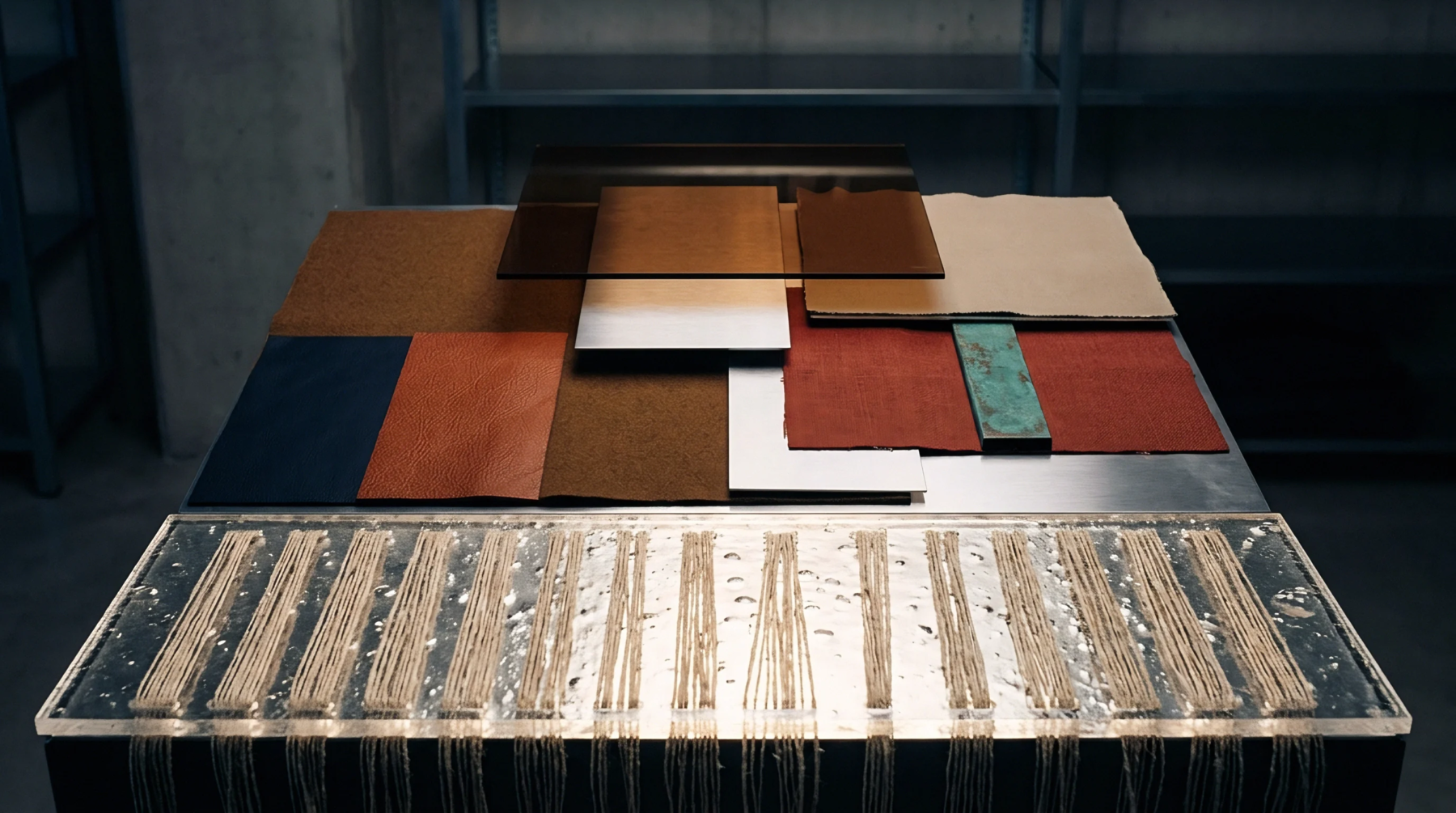
Maintaining peak dynamic warp tension below thirty percent of single yarn tenacity is essential to prevent cyclic fatigue breakage in high density linen weaving.

High sett warp contracts reconcile unplanned loom downtime and greige demerit credits by balancing loom hour overhead against four point defect penalties.

Matching linen interlacing structures to end-use mechanics balances loom cycle speed against tensile recovery and specifies target density for targeted cloth performance.
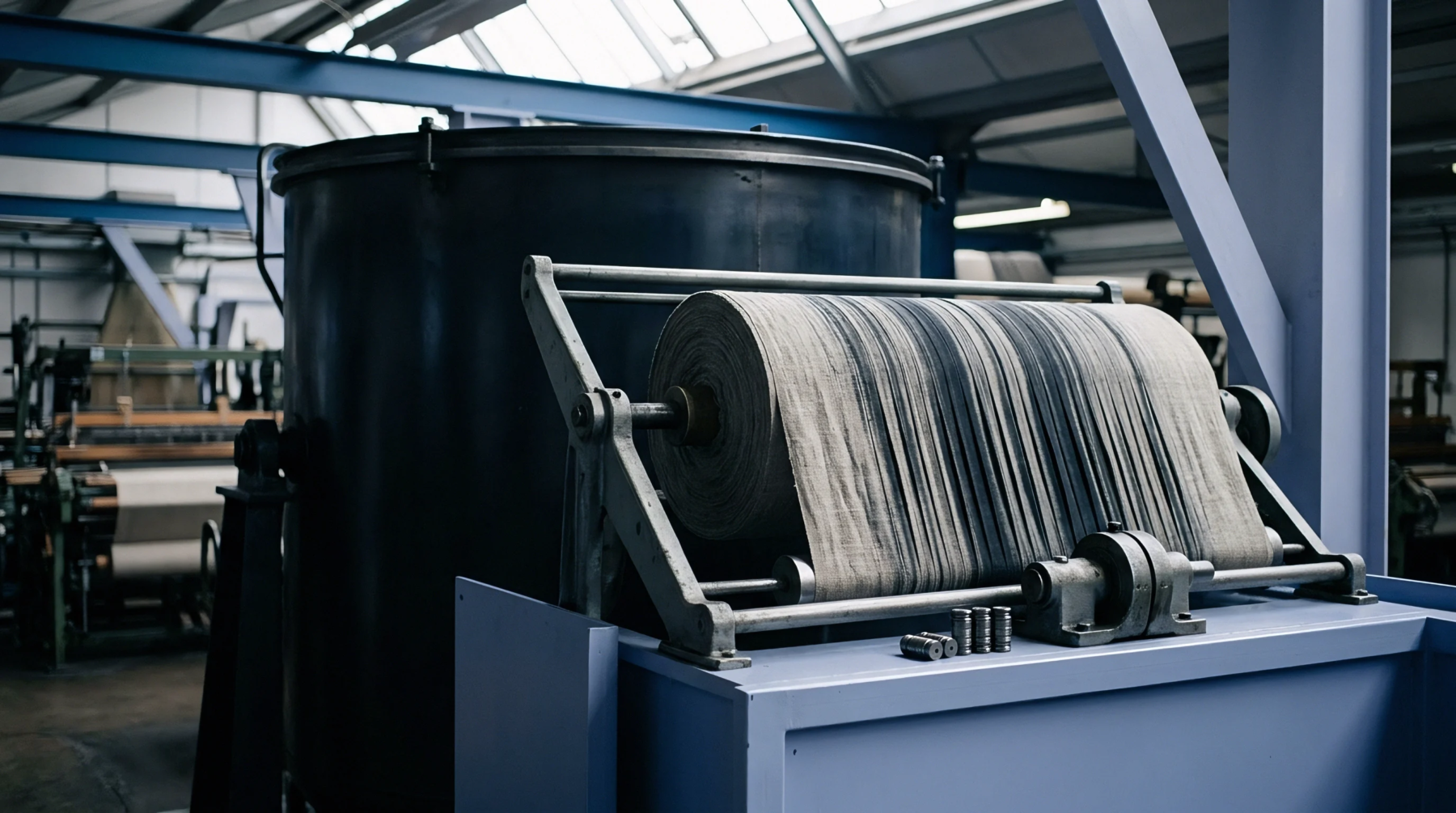
Minimum warp lengths depend on creel setup waste, sizing lead length, and loom setup hours, requiring at least 1,000 metres for viable production runs.
Expertise is a utility, not a secret. sentiention™ publishes its working knowledge as open reference: intelligence layer covering the materials it sources, the markets it enters, and the reference that serves both.