
Translating Handloom Fabric Structure into High-Speed Rapier Specifications
Translating handloom weave structures to rapier looms requires increasing yarn twist, sizing cohesion, and thread spacing to survive peak insertion stress.
Translating handloom weave structures to rapier looms requires increasing yarn twist, sizing cohesion, and thread spacing to survive peak insertion stress.
Calculating maximum warp end density requires adjusting Peirce geometric jamming models for yarn compaction, reed clearance, and shed beat-up force limits.
Linen Lea converts to Metric count via NeL multiplied by 0.604772, while direct Tex equals 1653.52 divided by NeL, adjusted for 12% moisture regain.
Seasonal Chinese loom allocation demands mapping construction pick counts into hourly machine costs to secure capacity before Q3 peak congestion.
Managing off-loom flax warp crimp contraction requires precise reed denting allowances, ELO tension tuning, and size solubility control to hit target grey widths.
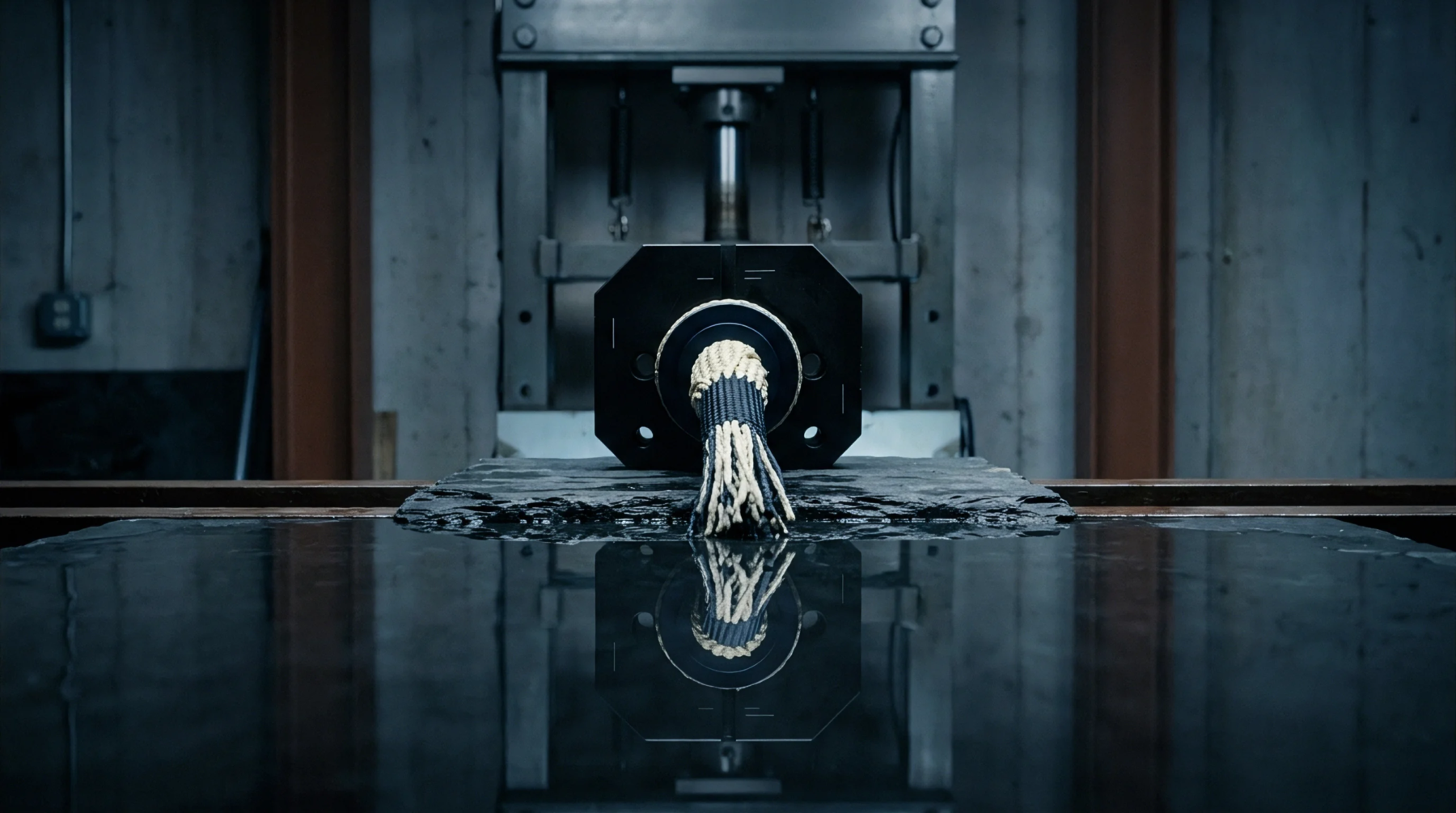
Industrial cross-linking locks flax yarn mobility, driving tear strength losses up to forty percent while restricting structural shear resistance.
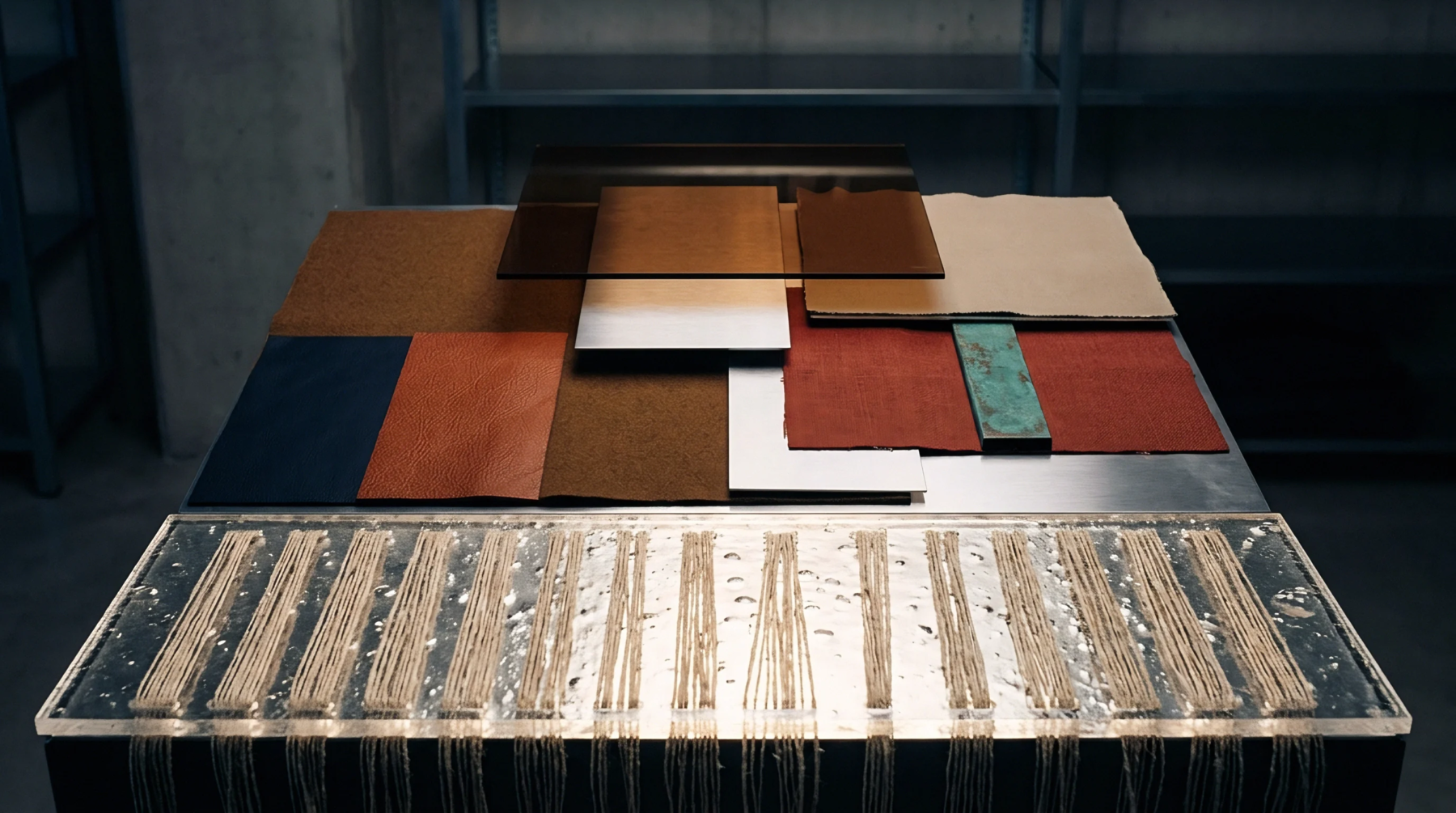
Maintaining peak dynamic warp tension below thirty percent of single yarn tenacity is essential to prevent cyclic fatigue breakage in high density linen weaving.

Linen yarn bending rigidity relies on pectin matrix relaxation, where balanced warp and weft crimp distribution controls fabric crease recovery and landed metre costs.
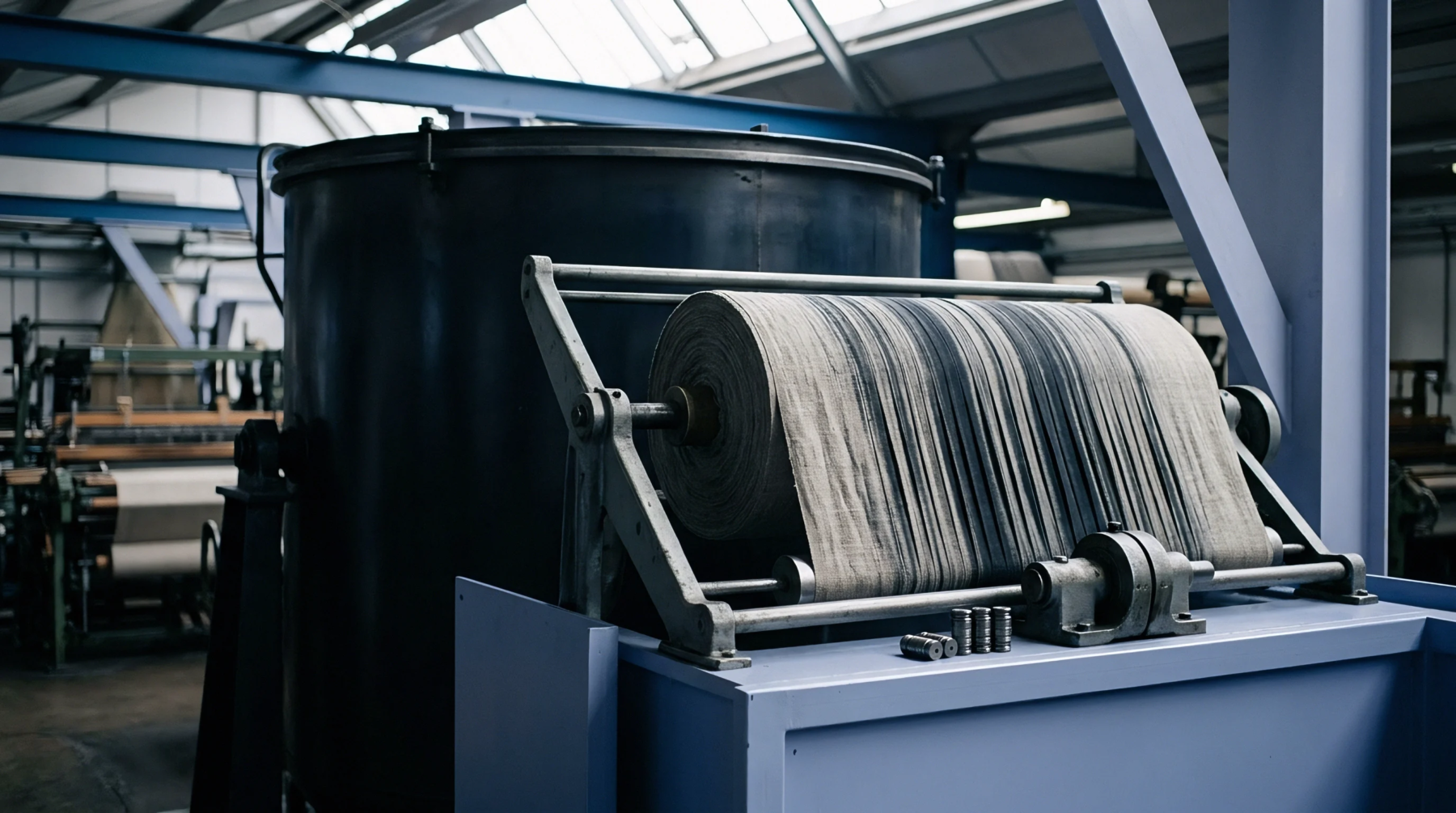
Minimum warp lengths depend on creel setup waste, sizing lead length, and loom setup hours, requiring at least 1,000 metres for viable production runs.
Expertise is a utility, not a secret. sentiention™ publishes its working knowledge as open reference: intelligence layer covering the materials it sources, the markets it enters, and the reference that serves both.