Optimizing Wet Spinning Bath Temperature and Chemical Softening Parameters
Maintain wet spinning bath at 62-66°C with 2.5 g/L pyrophosphate chelator to cleave middle lamella pectins, cut ends down, and maximize yarn tenacity.
Maintain wet spinning bath at 62-66°C with 2.5 g/L pyrophosphate chelator to cleave middle lamella pectins, cut ends down, and maximize yarn tenacity.
Audit conditioned mass at each subcontract gate to separate tow carding waste from wet chemical extraction losses.

Residual pectin above 3 percent prevents fiber bundle flattening, inducing premature mechanical yarn jamming that cuts rapier loom efficiency by 19 percent.
Verify Chinese linen wet spinning mass balance by deducting verified combing tow and pectin extraction losses from oven-dry commercial intake weights.

Wet spinning trough extraction rates between 2.2% and 3.5% dry mass optimize yarn cohesion while maintaining European Flax mass-balance compliance.
EU and US customs diverge on cottonized and degummed bast fibers, where residual lignin cutoffs trigger reclassification from zero-duty Chapter 53 to taxed staple fiber subheadings.
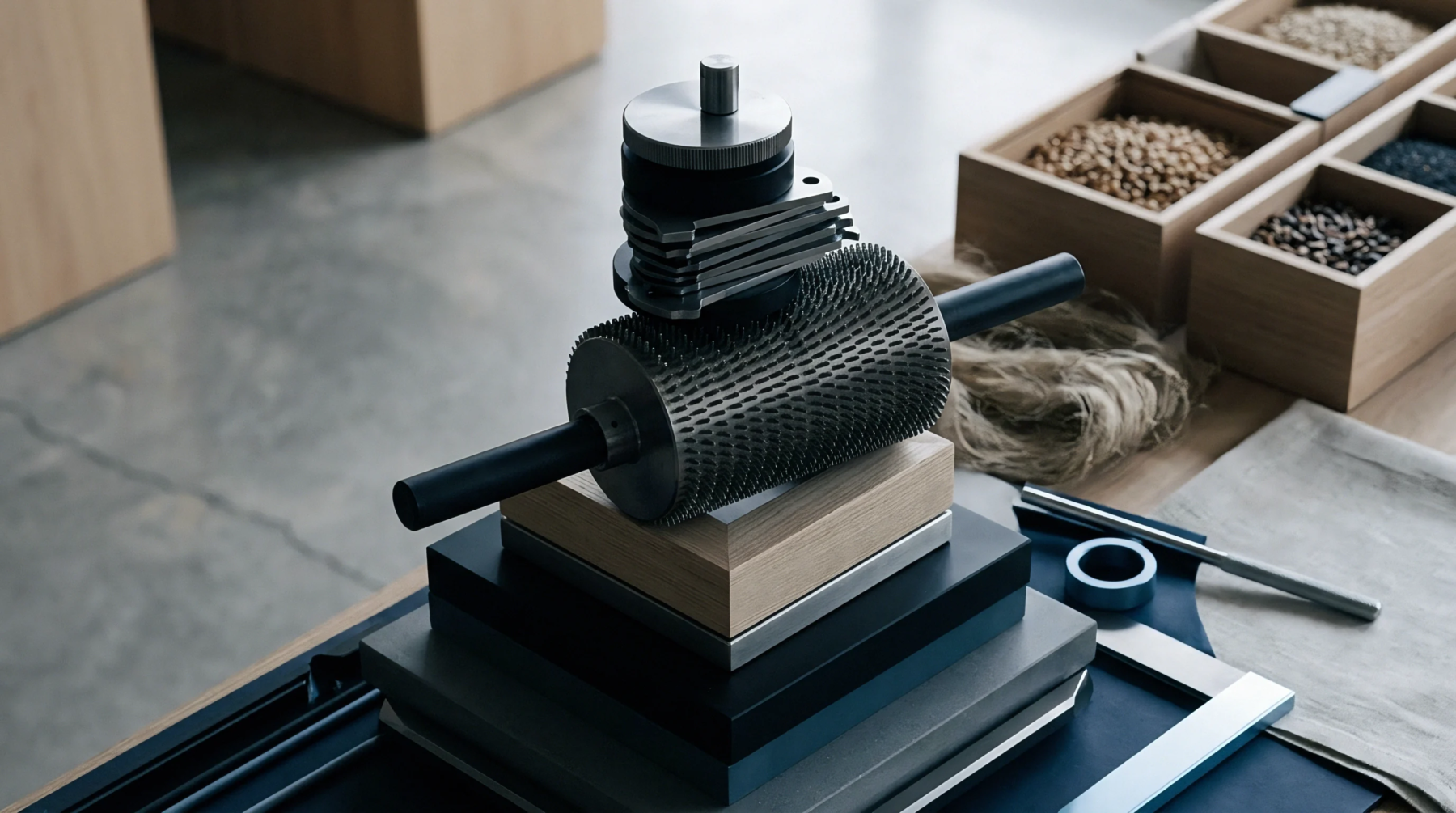
Controlled pectin extraction and asymmetric shed tuning enable stable air-jet linen weaving at 700 picks per minute while reducing landed fabric cost.

Off loom mass loss in linen greige averages 14 to 22 percent, requiring correction for sizing pickup, moisture regain, and non cellulosic scour extraction.
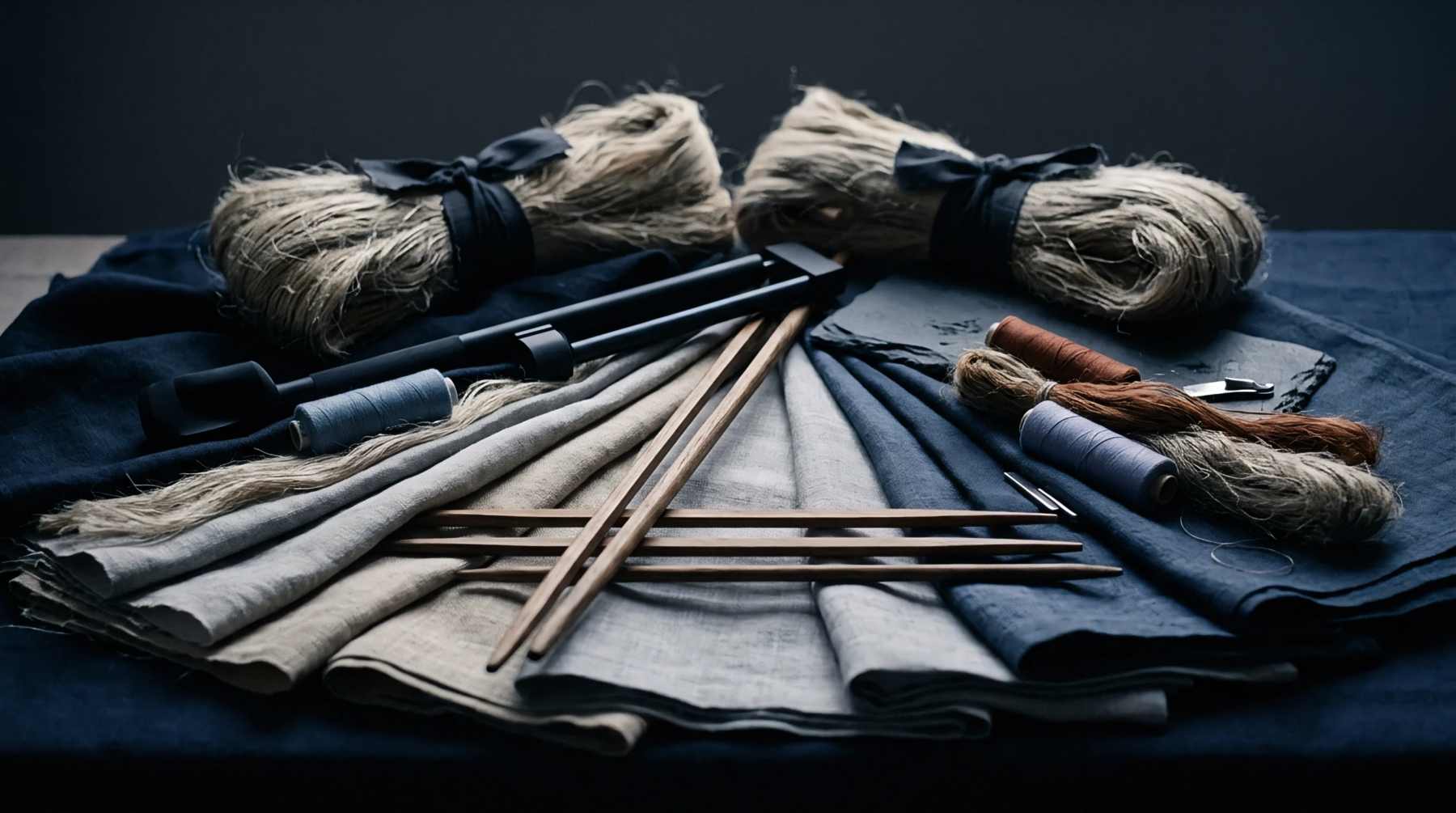
Determining flax rove non-cellulosic mass loss rates requires standardized chemical extraction to reconcile boiling yield shrinkage against certified origin records.
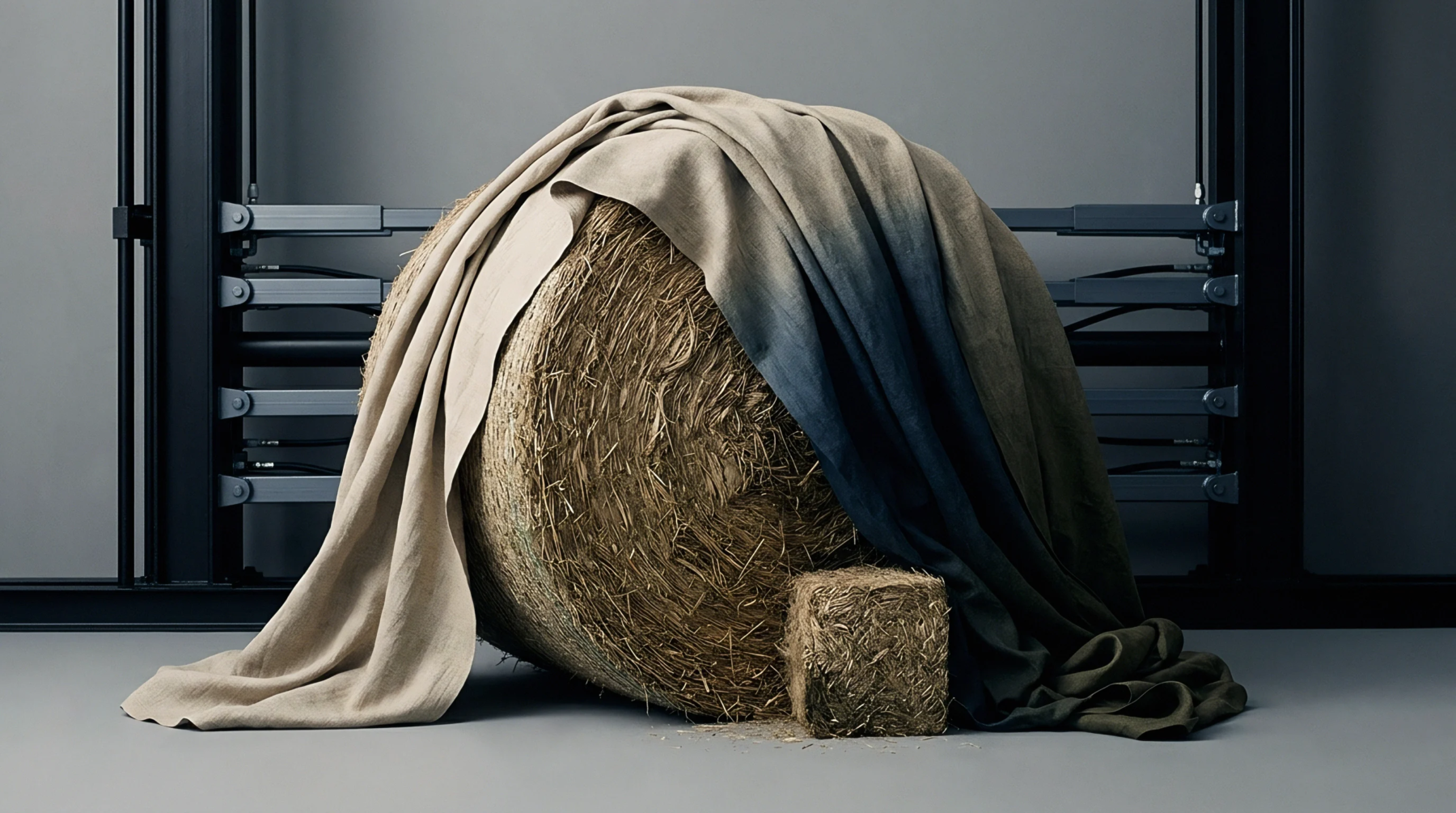
Classification of unprocessed raw agricultural fibers depends on mechanical decortication thresholds, residual shive content, and verifiable scutching mass balance records.

Targeted enzymatic pectin digestion splits technical flax bundles to under 6 dtex, optimizing sliver cohesion for wet spinning yarn tenacities over 38 cN/tex.
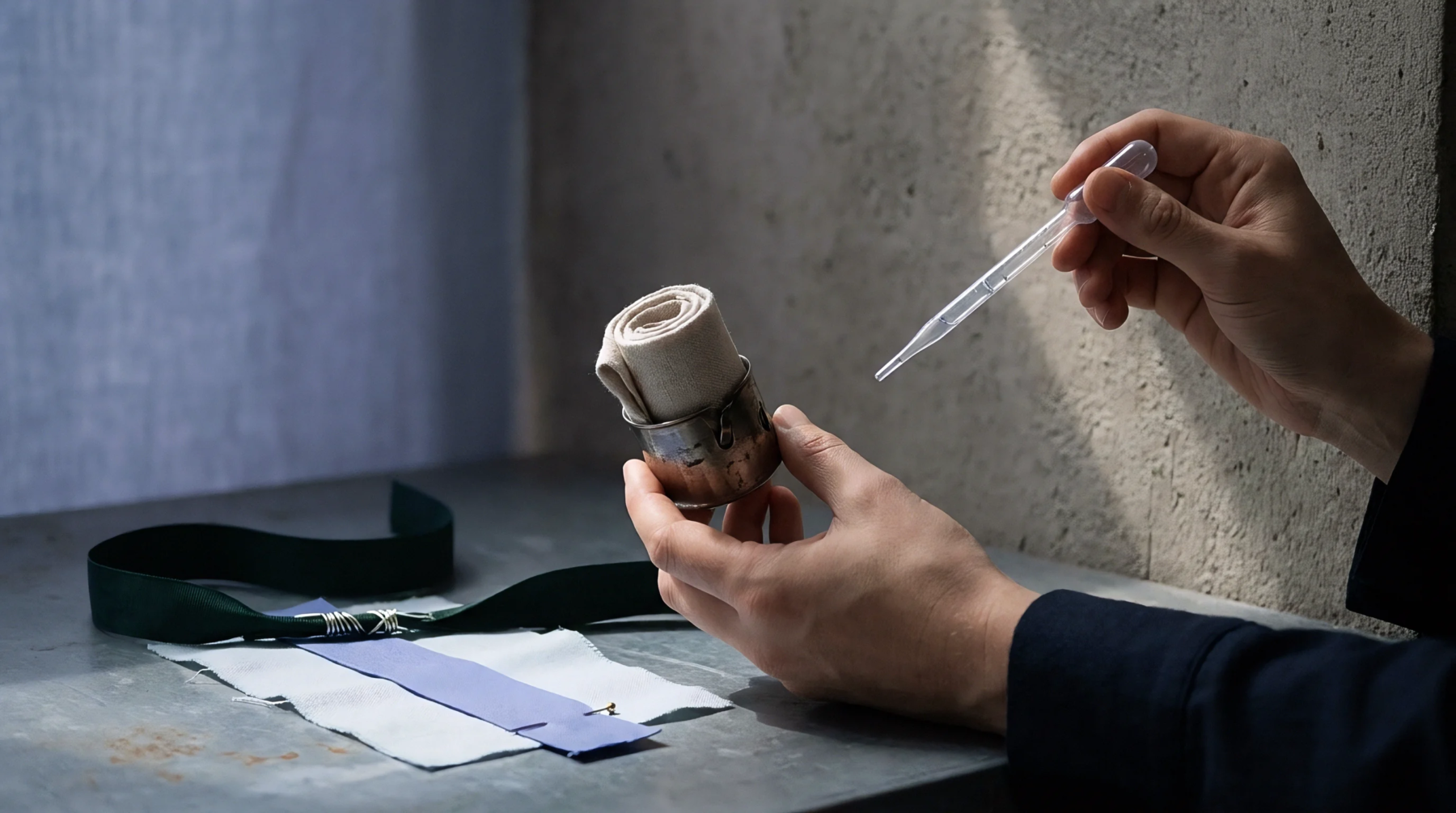
Controlled chemical matrix extraction and continuous moisture regain balance lower dynamic friction, preventing warp breaks during high speed linen warping.
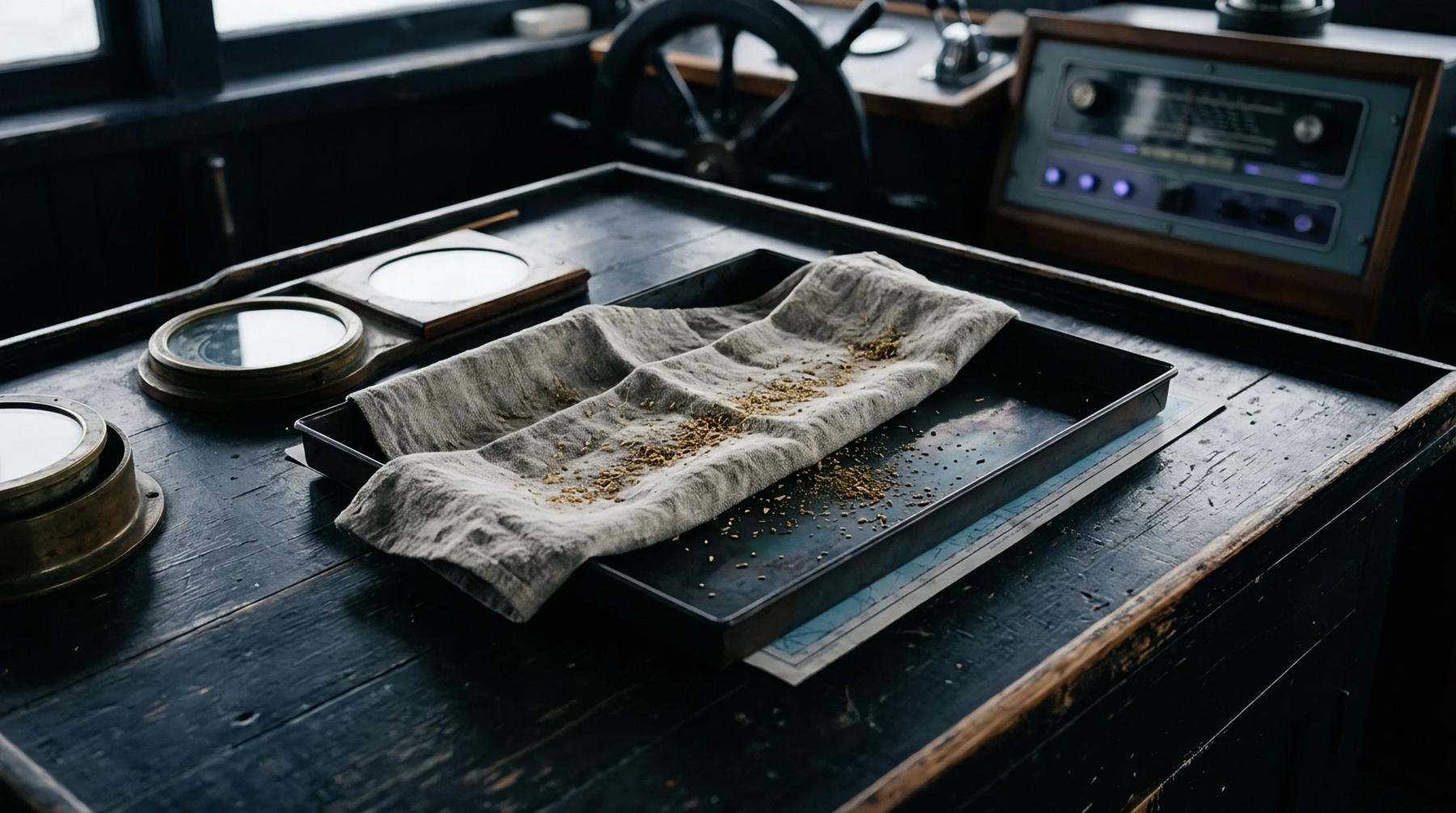
Calibrating wet spinning trough temperature and water turnover reconciles organic flax pectin dissolution losses against certified mass balance yields.

Reconciling linen weight requires balancing chemical extraction losses against warp crimp contraction to hit target finished areal mass and dimensional stability.
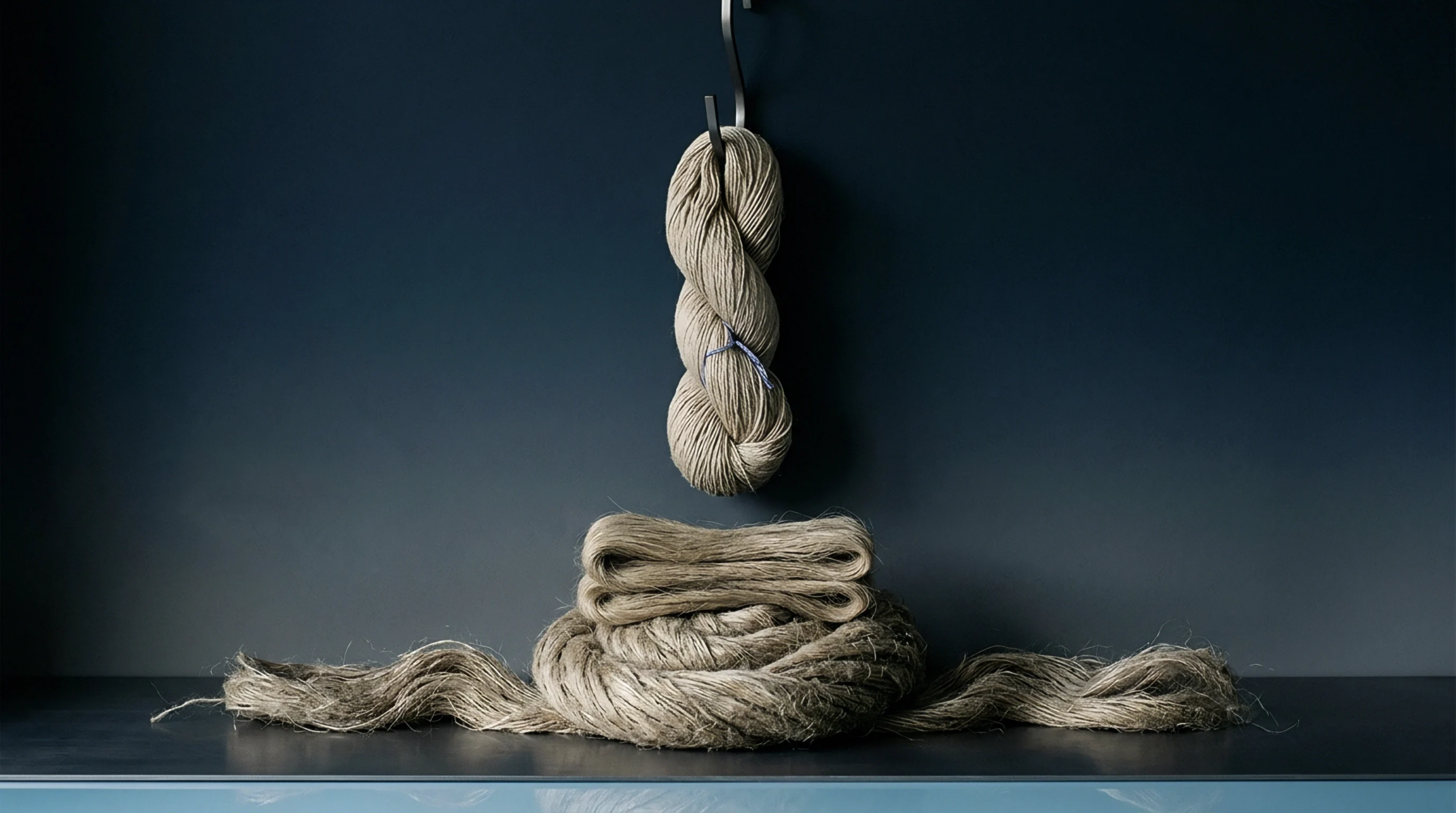
Dry cellulosic yield in wet flax roving requires gravimetric tare subtraction, moisture regain adjustments, and chemical boil-off loss corrections per lot.

Engineering accurate linen fabric specifications requires coupling loom crimp take-up equations with wet process shrinkage factors to fix finished GSM and width.

Verify flax linear density using ISO 1973 cut-and-weigh gravimetry at standard 12% regain to accurately forecast wet-spinning limits and enforce contract pricing.
Expertise is a utility, not a secret. sentiention™ publishes its working knowledge as open reference: intelligence layer covering the materials it sources, the markets it enters, and the reference that serves both.