
Flax Fiber Chemical Composition and Basic Retting Quality Evaluation
Optimal retting reduces residual pectin below 1.8 percent, allowing ultimate fiber separation to 3 tex and maximizing high-count line yarn yield.
Optimal retting reduces residual pectin below 1.8 percent, allowing ultimate fiber separation to 3 tex and maximizing high-count line yarn yield.

Comb sorter diagrams define the true upper quartile length and short-fibre mass of hackled flax, setting frame ratch distances and determining wet-spun yields.

Dynamic optical rail control compensates for wet flax traveller friction in real time, suppressing tension spikes to lower fine count end breakage by over sixty percent.

Targeted polygalacturonase retting and controlled 65°C bath chelators depress pectin glass transition, optimizing fine line flax drafting and yarn yields.
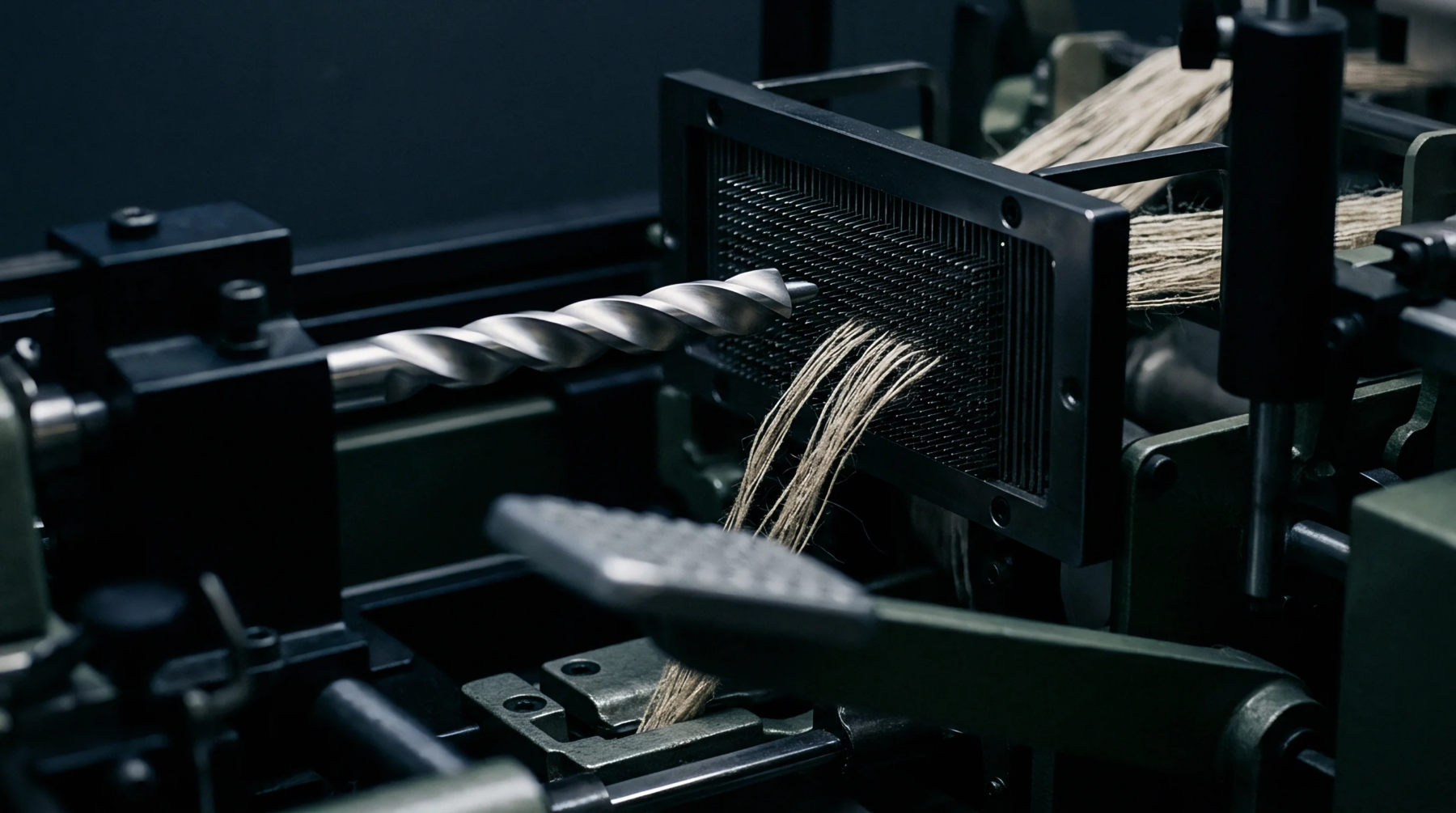
Commercial mass adjustments correct landed weight for moisture regain while hackling yield allowances offset long line waste in yarn cost calculations.
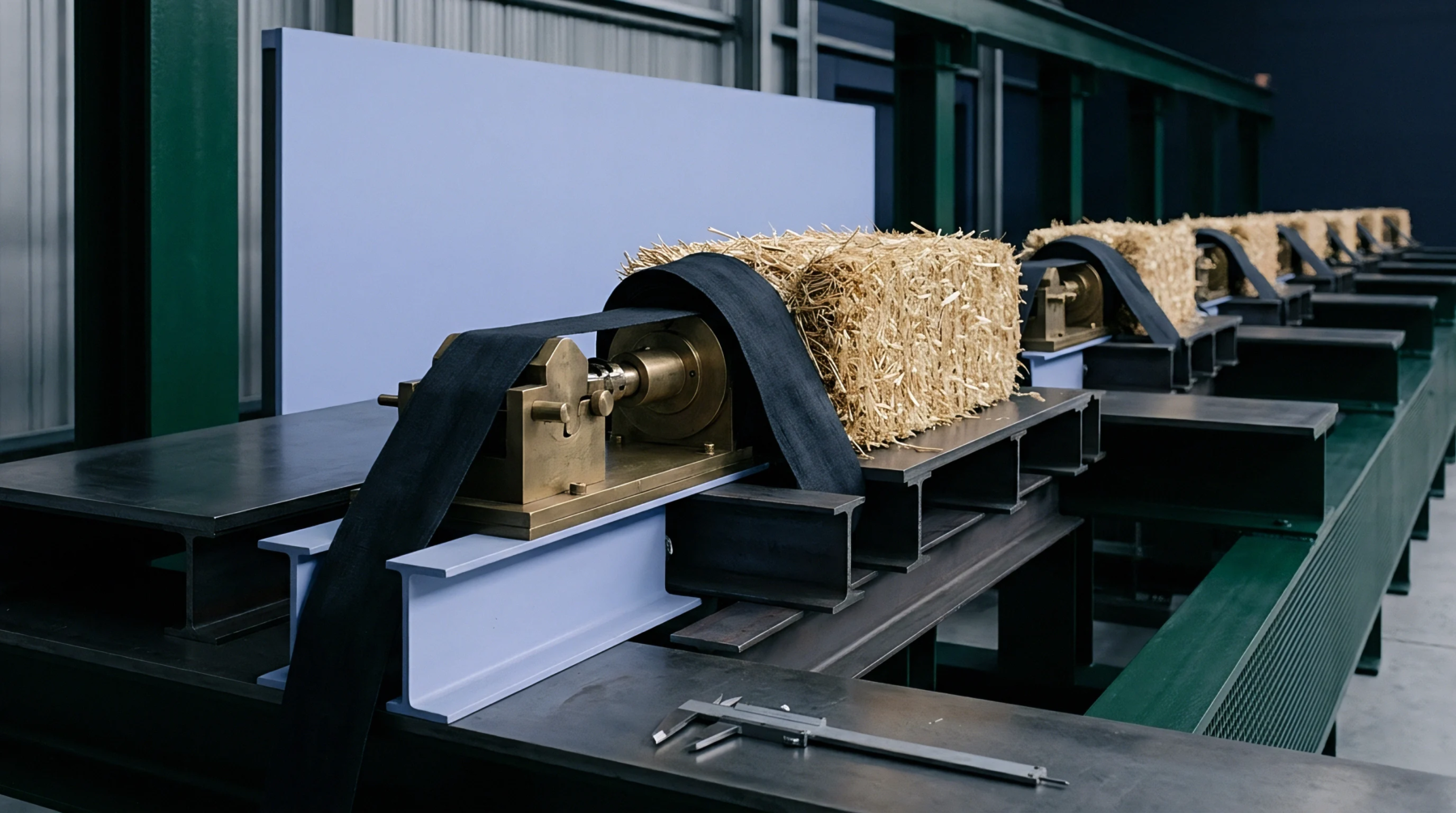
Optimizing hackling pin density and wet-spinning trough temperature stabilizes draft forces, reducing bast yarn end breakage below fifteen breaks per thousand spindle hours.

Manual bundle sectioning isolates true flax fibre linear density by cutting mid-strick segments for gravimetric tex determination prior to spinning.
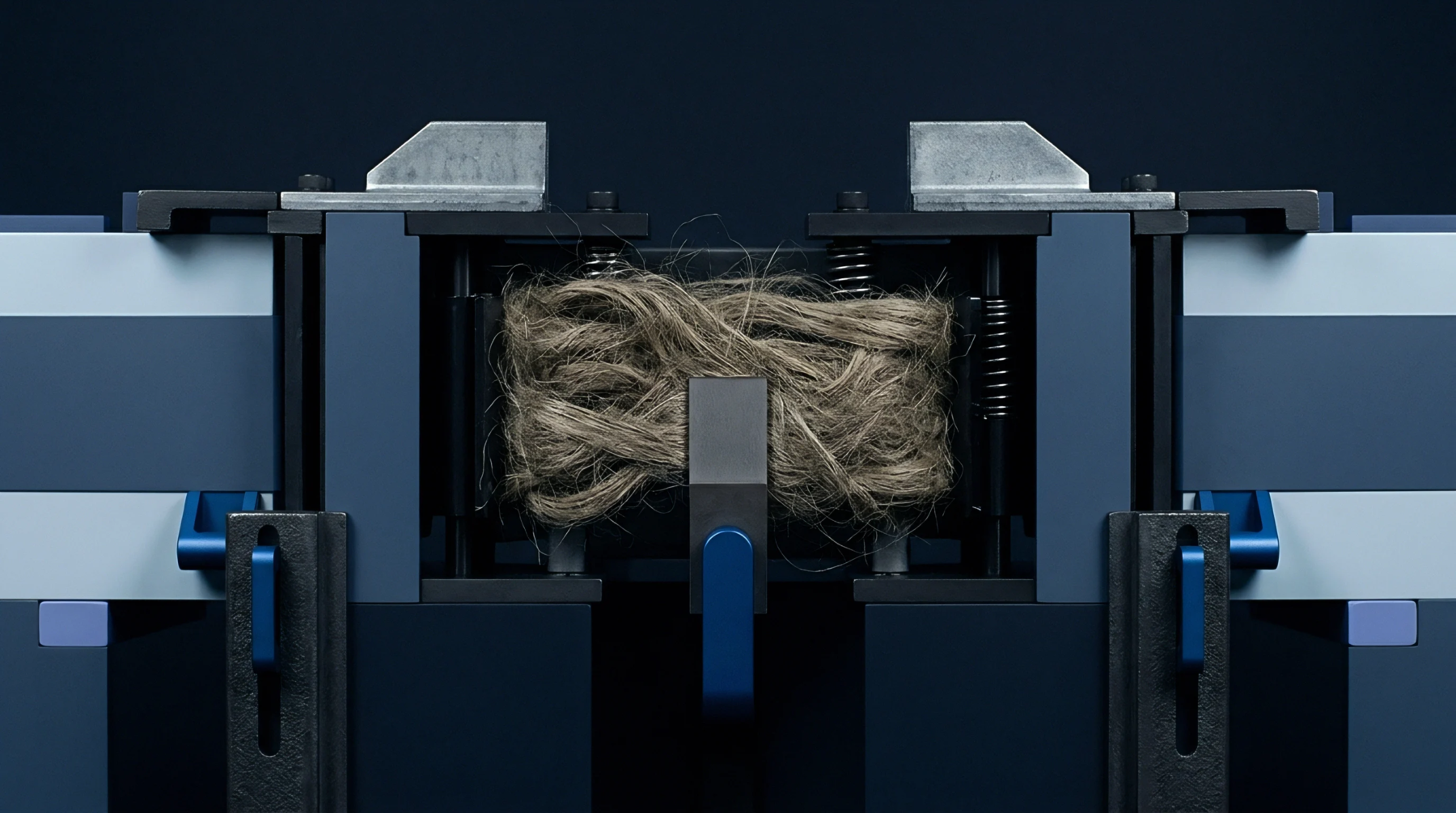
Targeted enzymatic cleavage of middle lamella homogalacturonan enables drafting down to elementary fibrils, yielding Nm 90 wet-spun flax yarns exceeding 38 cN/tex.

Cut length flax gravimetric linear density variance triggers tiered commercial debits based on wet spinning draft limits and yarn count yield loss.

Landed flax contracts adjust invoice mass by converting quay scale weights to dry cell wall mass using ISO 6741 oven tests before applying 12% standard regain.

Imported French scutched long line delivers higher hackling yield and lower yarn break rates, outperforming domestic Chinese flax on landed metre fabric cost.
Expertise is a utility, not a secret. sentiention™ publishes its working knowledge as open reference: intelligence layer covering the materials it sources, the markets it enters, and the reference that serves both.