
Modeling Viscoelastic Attenuation and Hydrodynamic Drag Kinetics in Ultra-Fine Flax Wet Drafting Troughs
Heating wet drafting bath fluid to 68°C balances pectin relaxation with hydrodynamic drag, stabilizing Nm 80 flax drafting tension below 0.12 N.
Heating wet drafting bath fluid to 68°C balances pectin relaxation with hydrodynamic drag, stabilizing Nm 80 flax drafting tension below 0.12 N.
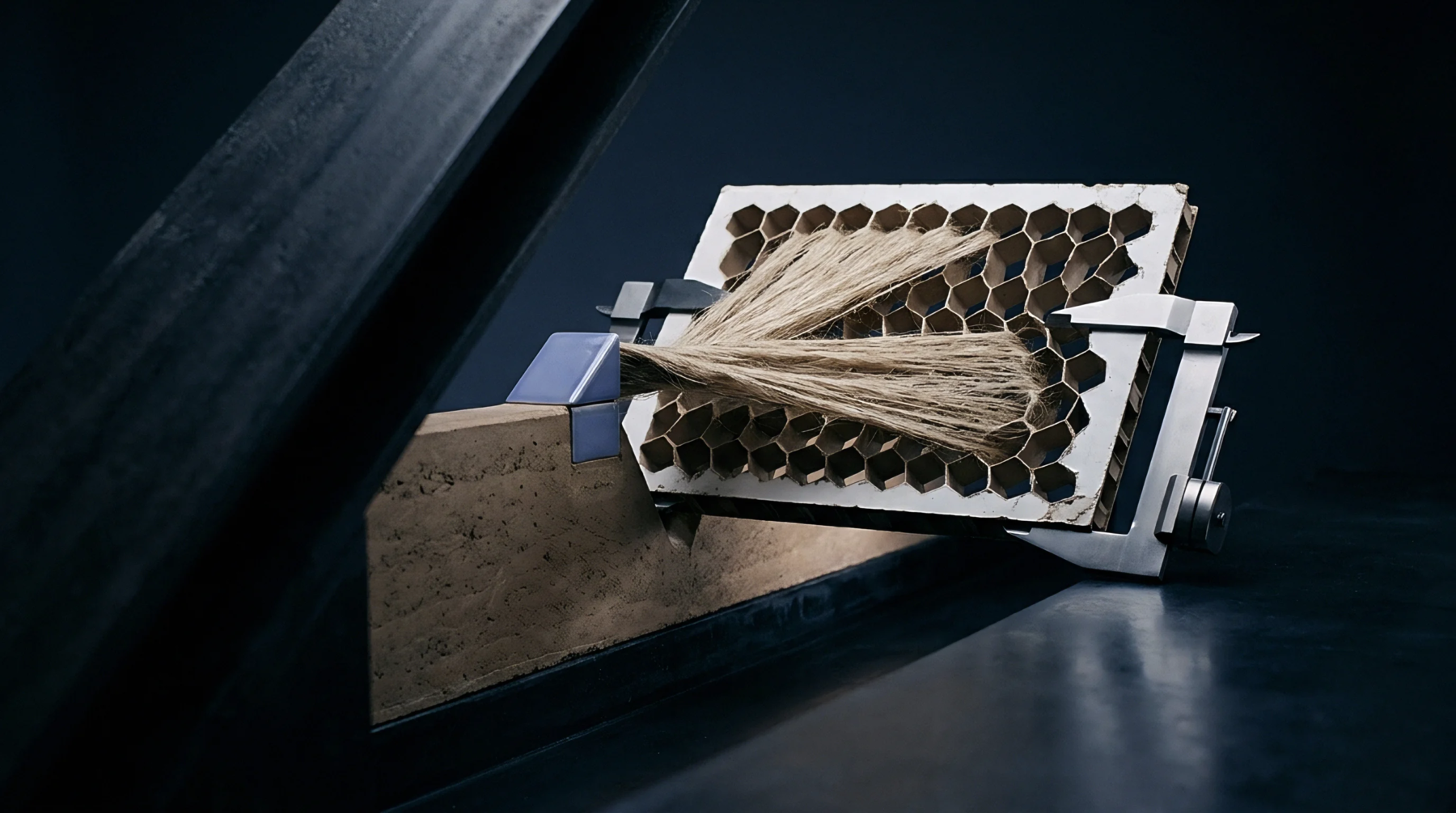
Exceeding 70 degrees Celsius in wet spinning troughs hydrolyzes middle lamella pectin excessively, dropping Nm 60 linen single yarn tenacity below 15 cN/tex.

Calibrating hackling tool beds within sub-0.05mm tolerances maximizes long-staple line fibre yield, preventing costly stem rupture and securing high-count yarn spinnability.

Scutched flax length arrays dictate hackling yield and draft limits, where span length and dispersion metrics set the achievable wet-spun yarn count limit.

Reconciling mass balance in Asian flax wet spinning demands strict dry-mass tare auditing, tow yield accounting, and certified credit ledger validation.
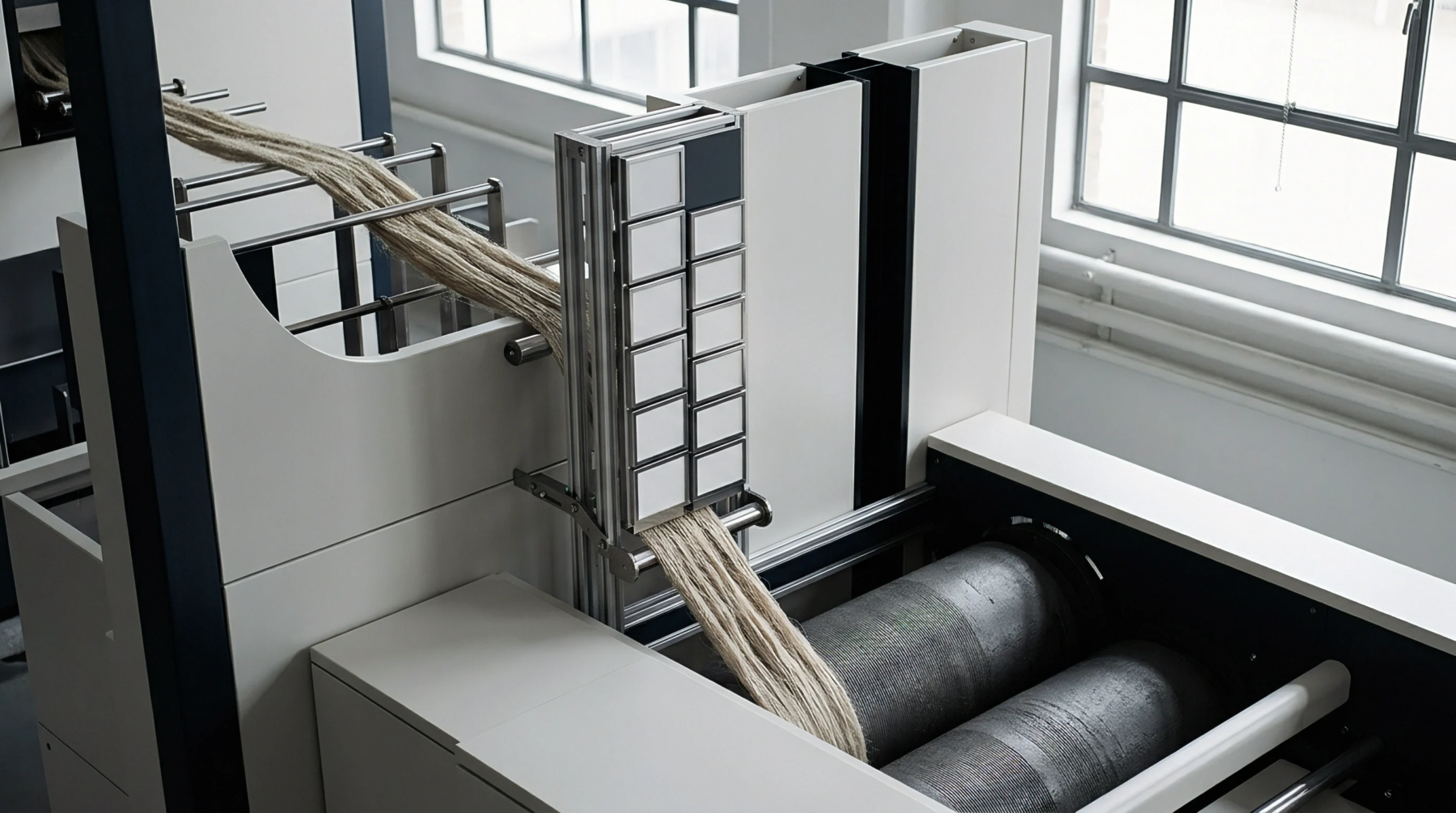
Quantifying residual pectins below 1.2% and proteins below 0.75% via spectrophotometry and combustion prevents wet-spinning end breaks and secures high-count Nm yields.

European Flax ring spinning mass balance audits require moisture-adjusted dry fiber weight reconciliation across every transformation stage from raw bale to spun package.
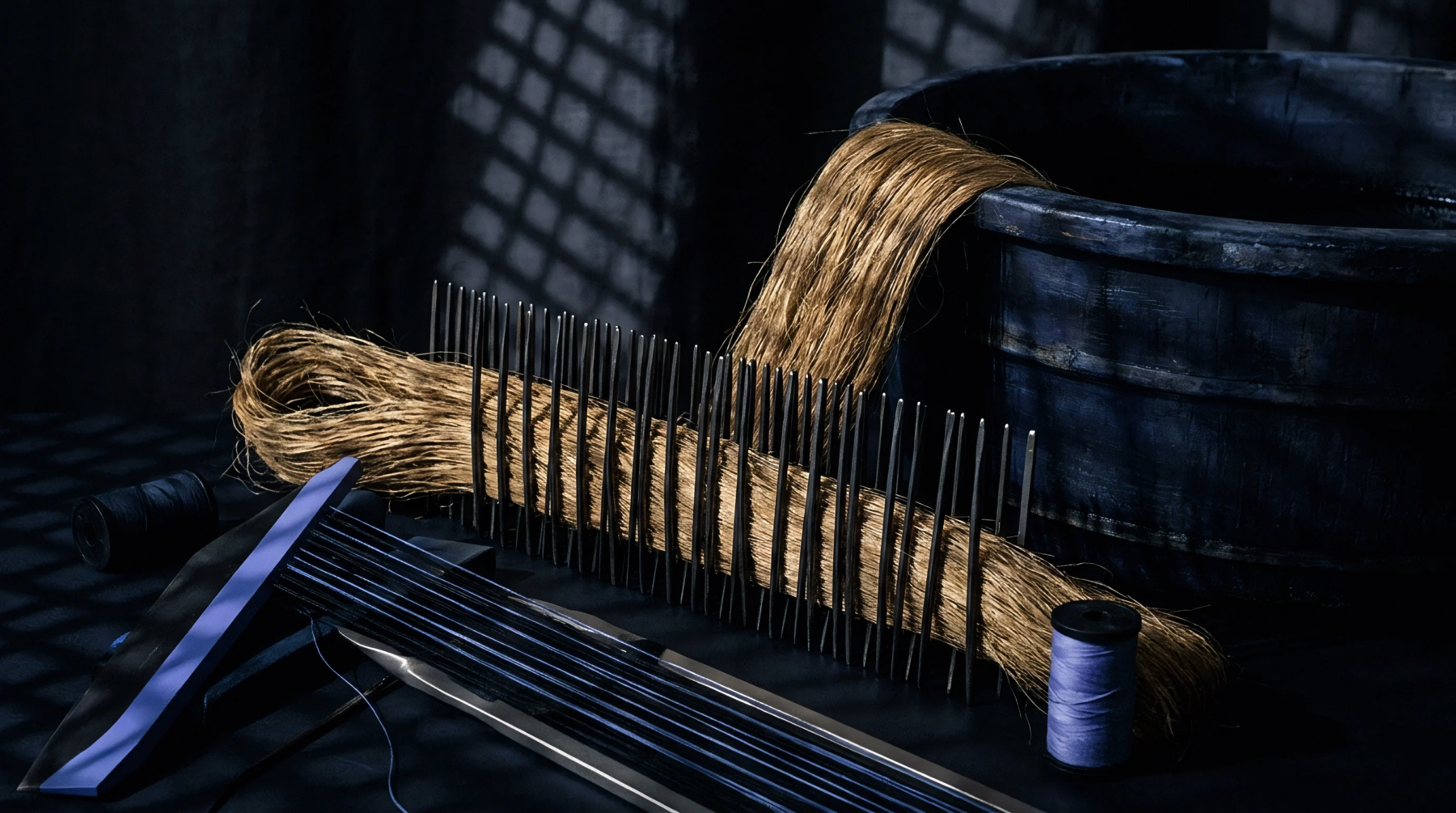
Low S/G monomer ratios in flax middle lamella increase lignin cross-linking, elevating wet drafting force variability and driving yarn count instability.

Standard moisture regain correction normalizes hackled flax linear density back to twelve percent regain, preventing draw frame drafting errors and financial overpayment.

Resolving gravimetric fineness disputes requires ISO 2370 extraction standards, n=50 bundle sample sizes, and contracted metric number tolerance bands.
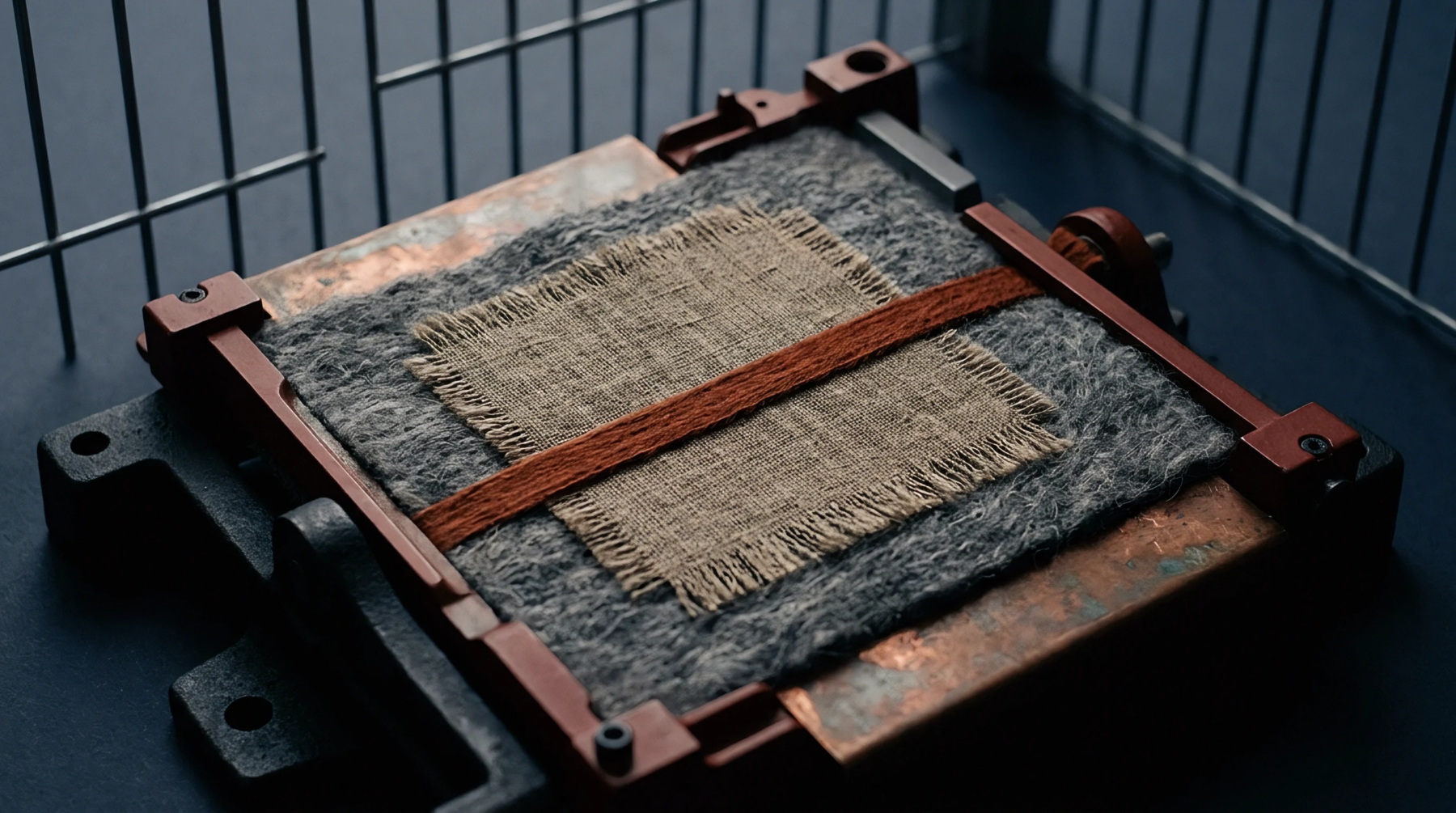
Stelometer bundle testing at 3.2 millimeter gauge length with gravimetric tex verification establishes accurate tensile tenacity limits for long staple flax purchasing.

High warp tension on wet spun flax accelerates crystalline bundle micro-cracking, requiring controlled sizing regain and reduced shedding angles to maintain shed capacity.

Certified fibre surcharges protect legal compliance and landed margin stability, whereas unprovable claim discounts expose importers to severe customs liabilities.
Expertise is a utility, not a secret. sentiention™ publishes its working knowledge as open reference: intelligence layer covering the materials it sources, the markets it enters, and the reference that serves both.