
Statistical Cross Sectional Area Distribution Variance in Wet Spun Flax Roving
Cross-sectional area variance in wet spun flax roving governs drafted yarn tenacity and dictates final metre price through end breaks and second-quality fabric.
Cross-sectional area variance in wet spun flax roving governs drafted yarn tenacity and dictates final metre price through end breaks and second-quality fabric.

Fine linen wet spinning demands trough water at 65 to 75 degrees Celsius with controlled surfactants to dissolve middle lamella pectins before the drafting nip.
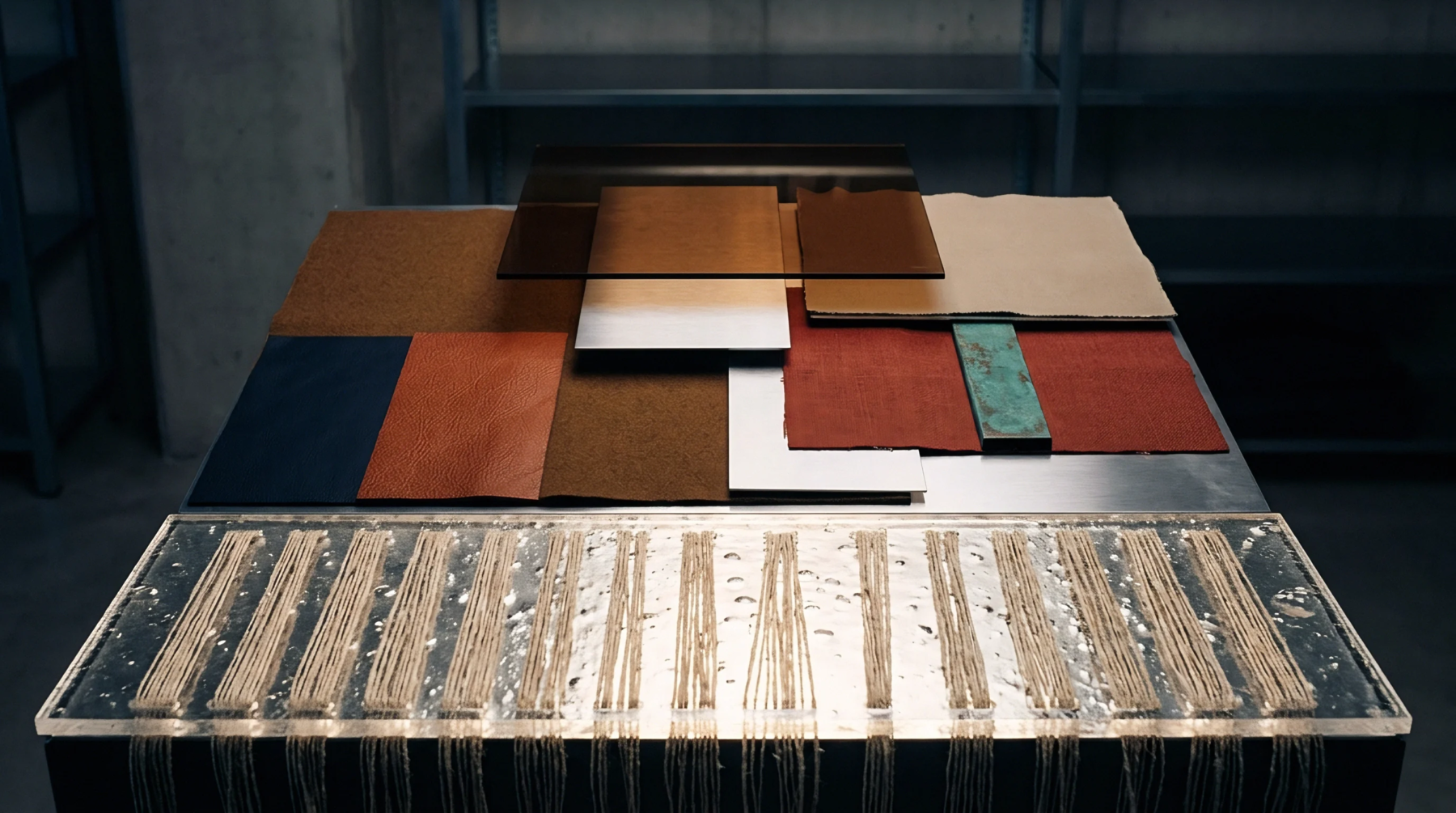
Wet-spun linen warps demand a minimum tenacity of 18.5 cN/tex with under 1.2% beaming stretch to maintain loom stop rates below 1.5 per 100,000 picks.
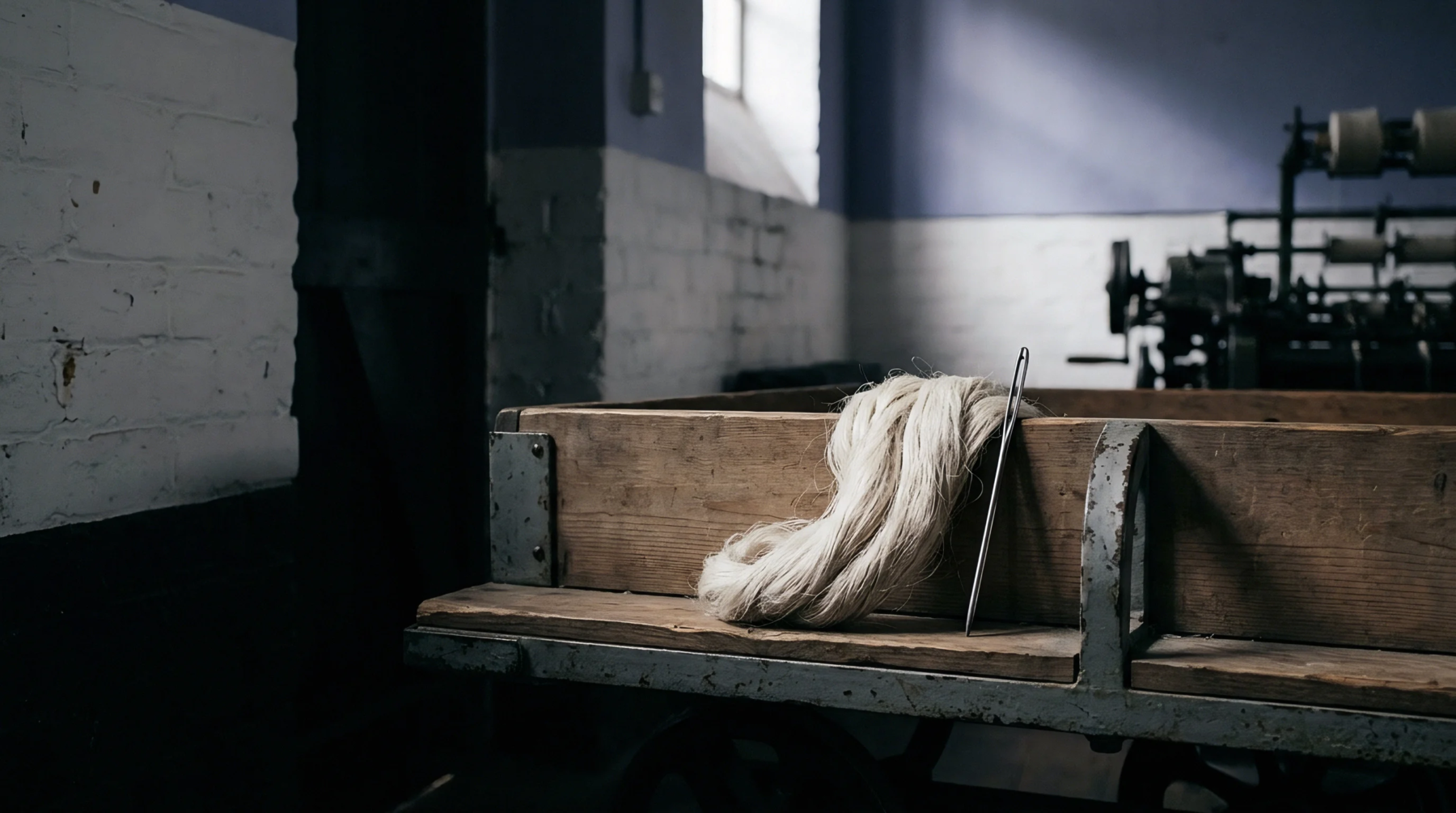
Optical microscopy of resin-embedded cross sections determines true technical flax bundle widths, separating spinnable fine line from coarse drafting defects.
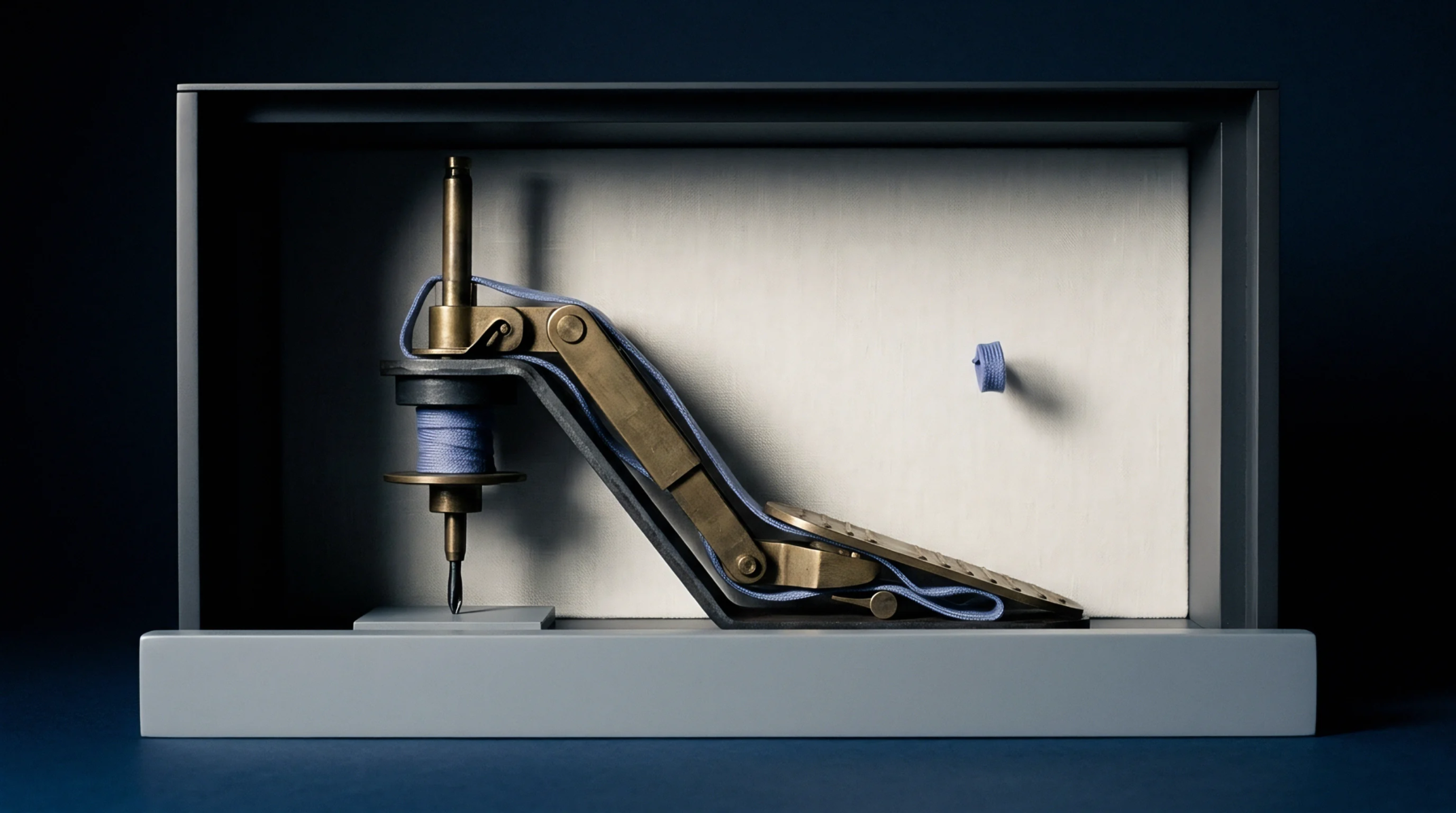
Trough water at 70°C hydrolyzes middle lamella pectins to permit inter-fibre slippage, enabling high mechanical drafts down to fine linear yarn counts.

Metric fibre number claims require ISO 2370 gravimetric verification because airflow instruments skew up to fifteen percent across retting types and moisture regains.
Expertise is a utility, not a secret. sentiention™ publishes its working knowledge as open reference: intelligence layer covering the materials it sources, the markets it enters, and the reference that serves both.