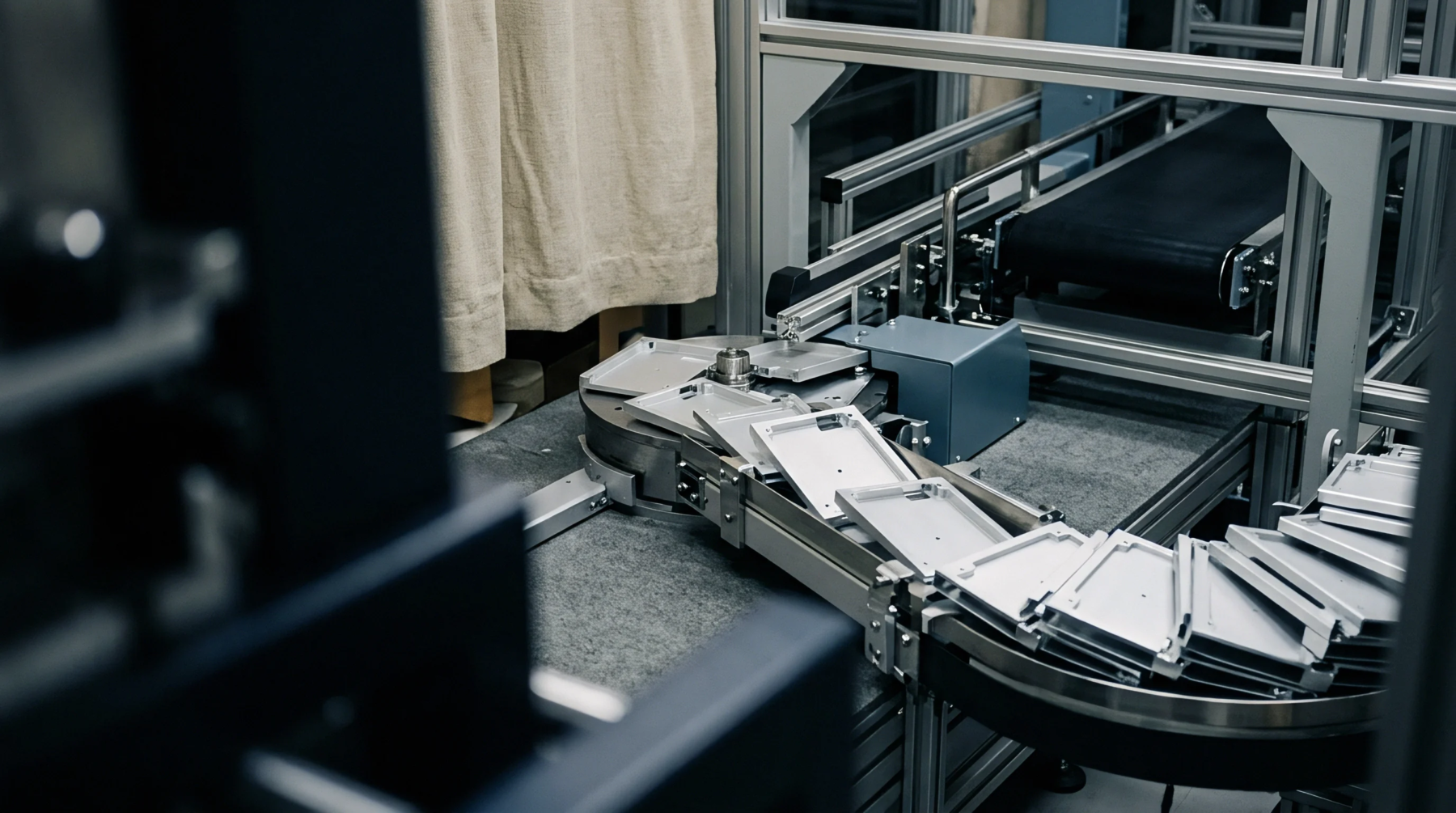
Resolving Crimp Imbalance and Structural Deformation in High-Speed Automated Linen Weaving
Rebalance linen crimp by lowering the backrest 25mm, delaying shed crossing to 325 degrees, and running segmented temples to suppress structural deformation.
Rebalance linen crimp by lowering the backrest 25mm, delaying shed crossing to 325 degrees, and running segmented temples to suppress structural deformation.

Dynamic warp tension spikes during high speed rapier shedding are controlled through active backrest compensation and optimized shed opening geometry.

Mitigate harness tension spikes and thermal breakdown by tuning cam acceleration profiles, installing active cooling plenums, and specifying aramid hybrid cords.

Dense flax yarn stress decay stems from matrix shear along cellulose microfibrils, requiring active let-off compensation to prevent restart density defects.
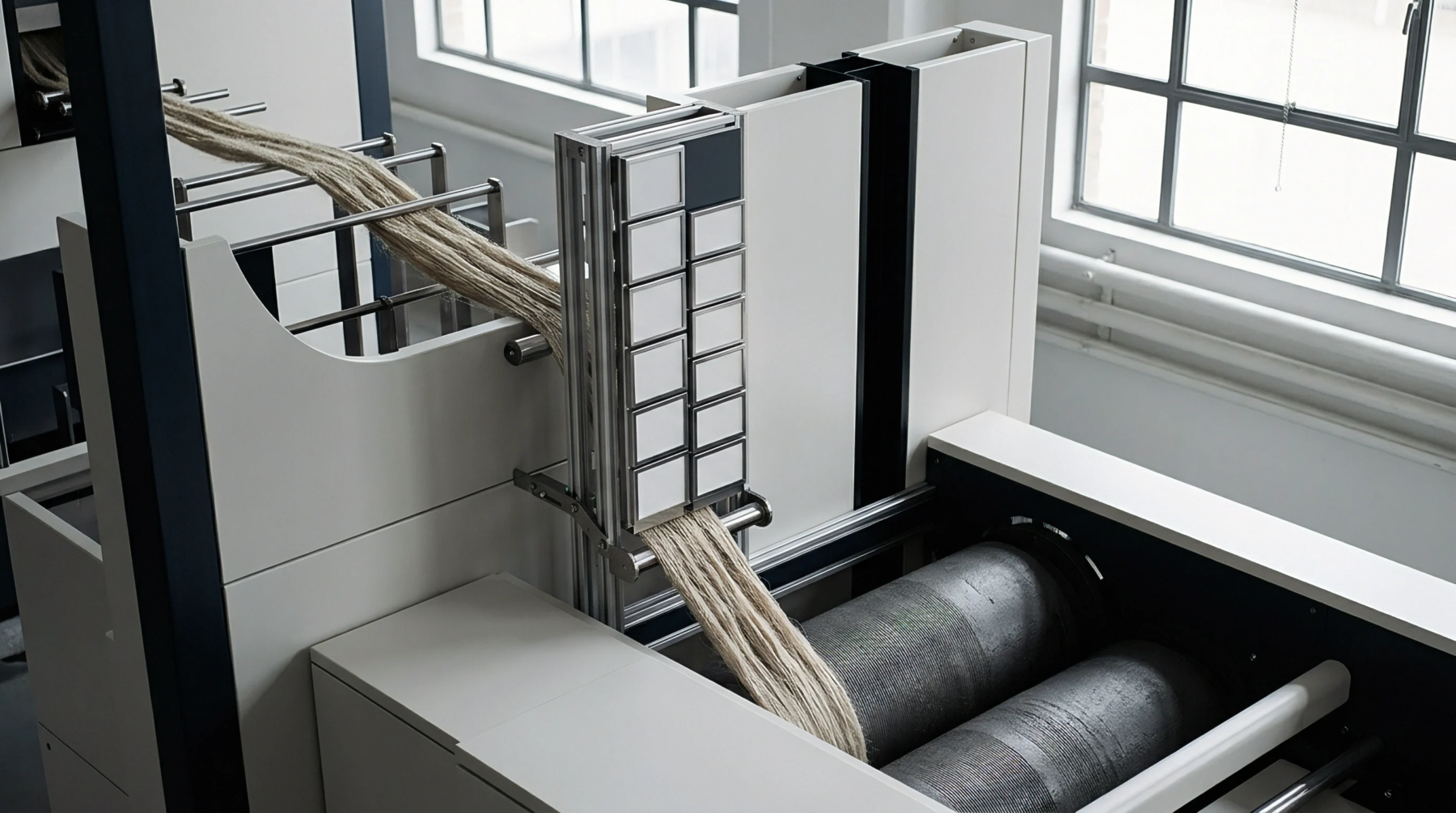
Adjusting weaver loom allocations based on high-density flax warp end-break rates maximizes loom-hour output and prevents stop-mark quality losses.

Dynamic ease-off spring tuning mitigates peak tension spikes in low-elasticity linen warps, preventing yarn failure and optimizing loom efficiency.

Starch synthetic hybrid sizing films achieve optimal rapier weaving efficiency when elastic strain recovery exceeds 70 percent under 10 Hz dynamic shedding.
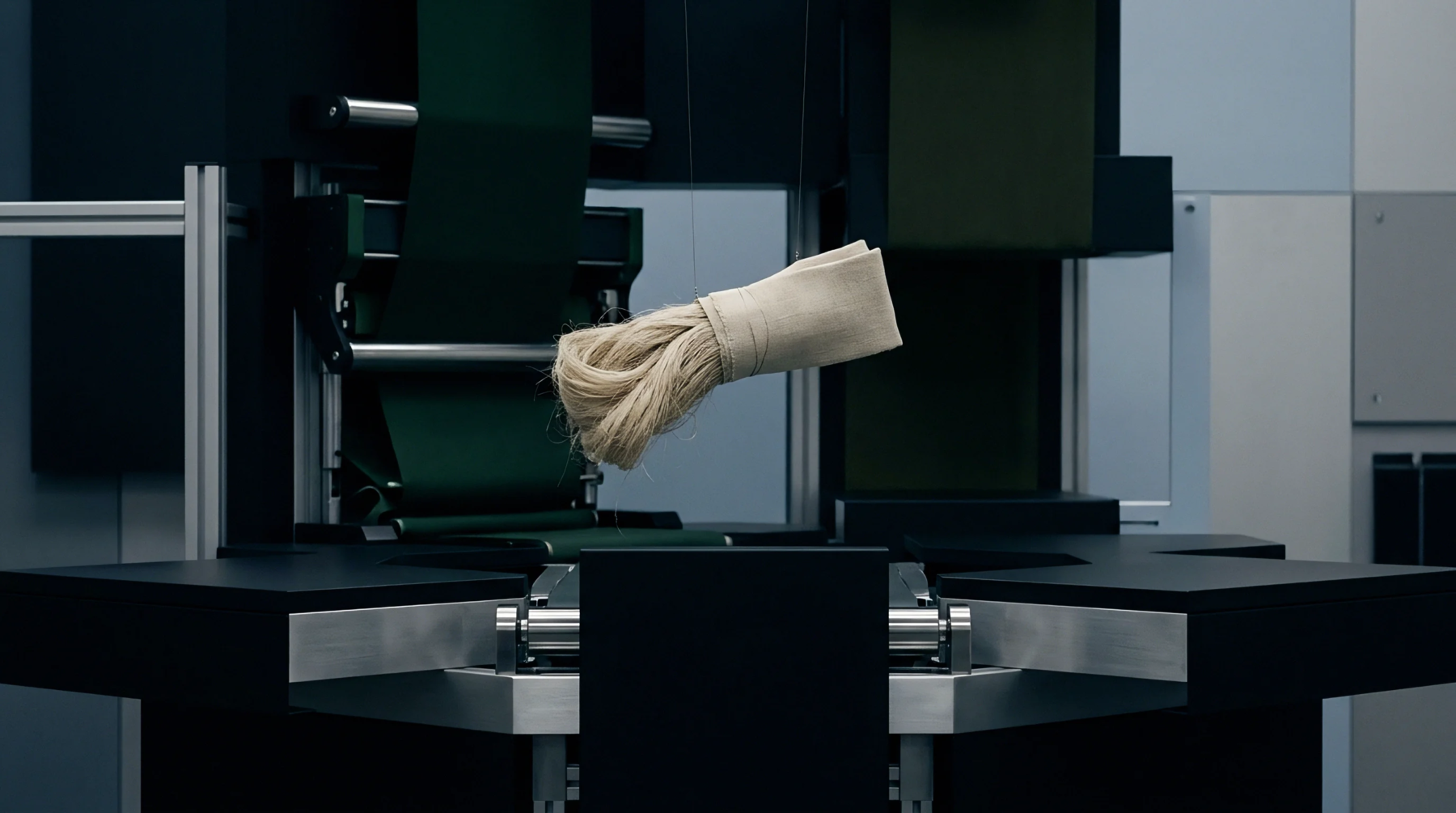
Controlling peak dynamic warp strain in fine linen weaving requires balancing backrest roller damping, shed geometry, and moisture to prevent yarn fatigue.
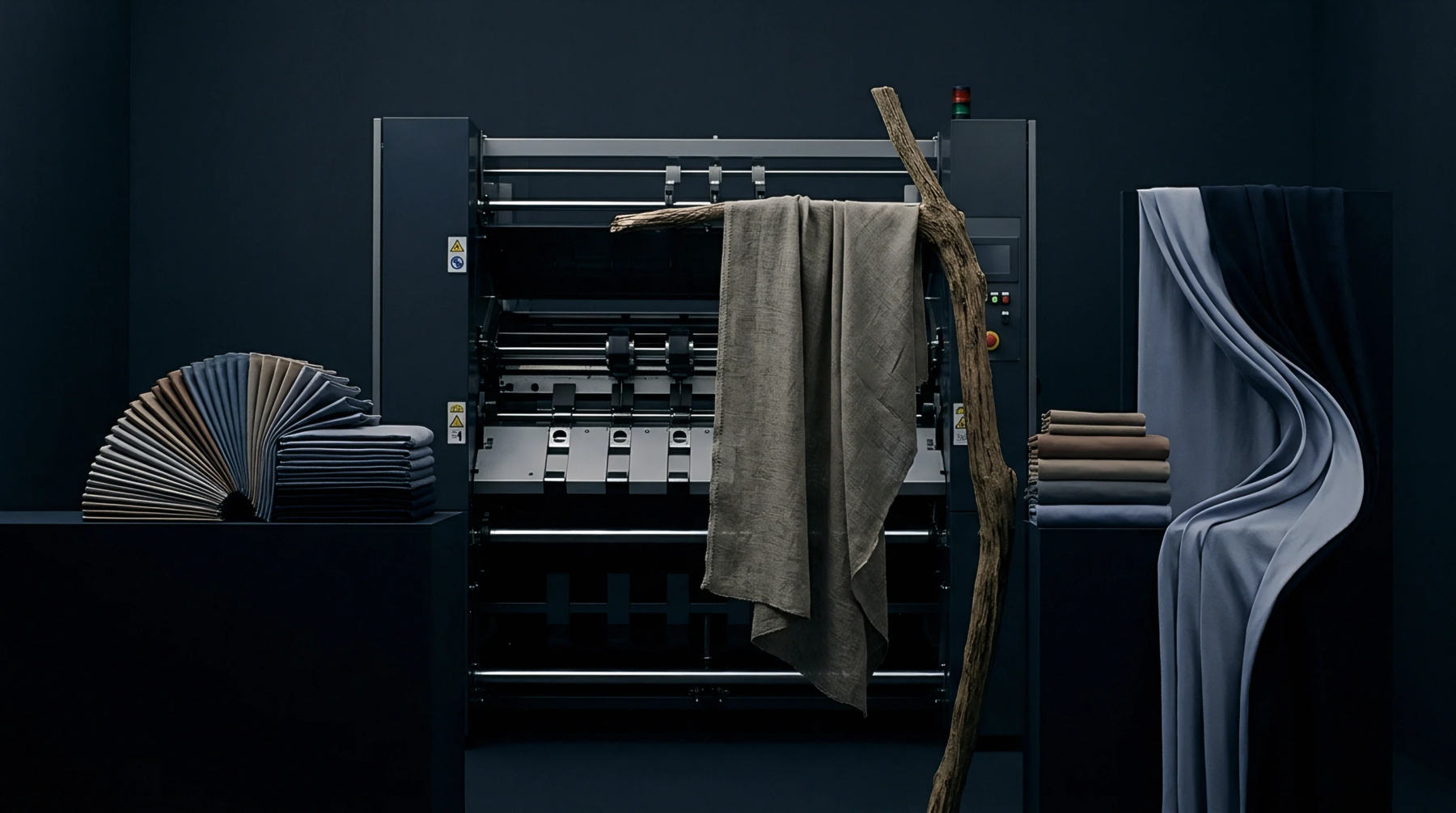
Dynamic tension decay in sized wet spun flax yarns is minimized by controlling size penetration to 25 percent and keeping dynamic strain amplitudes below 1.2 percent.
Maintaining peak dynamic warp tension below thirty percent of single yarn tenacity is essential to prevent cyclic fatigue breakage in high density linen weaving.

Equal weight plain weave stands rigid while twill drapes because maximum yarn crossover frequency locks crimp and restricts lattice shear mobility.
Expertise is a utility, not a secret. sentiention™ publishes its working knowledge as open reference: intelligence layer covering the materials it sources, the markets it enters, and the reference that serves both.