
Raw Flax Weight Ticket Audit in Scutching Plant Intake
Auditing scutching intake tickets requires verifying axle scale calibration, applying standardized moisture and dockage deductions, and reconciling net straw mass.
Auditing scutching intake tickets requires verifying axle scale calibration, applying standardized moisture and dockage deductions, and reconciling net straw mass.

Comb sorter diagrams define the true upper quartile length and short-fibre mass of hackled flax, setting frame ratch distances and determining wet-spun yields.

Microscopic fiber differentiation resolves customs disputes by isolating fibrillar twist and middle lamella lignin through standardized staining and optical protocols.

Process-induced carbon and oxygen isotopic shifts in bleached linen yarn require alpha-cellulose extraction and mass-balance corrections for origin verification.

Stable isotope analysis of isolated alpha-cellulose resolves European and Asian long staple flax blends down to ten percent with high statistical confidence.
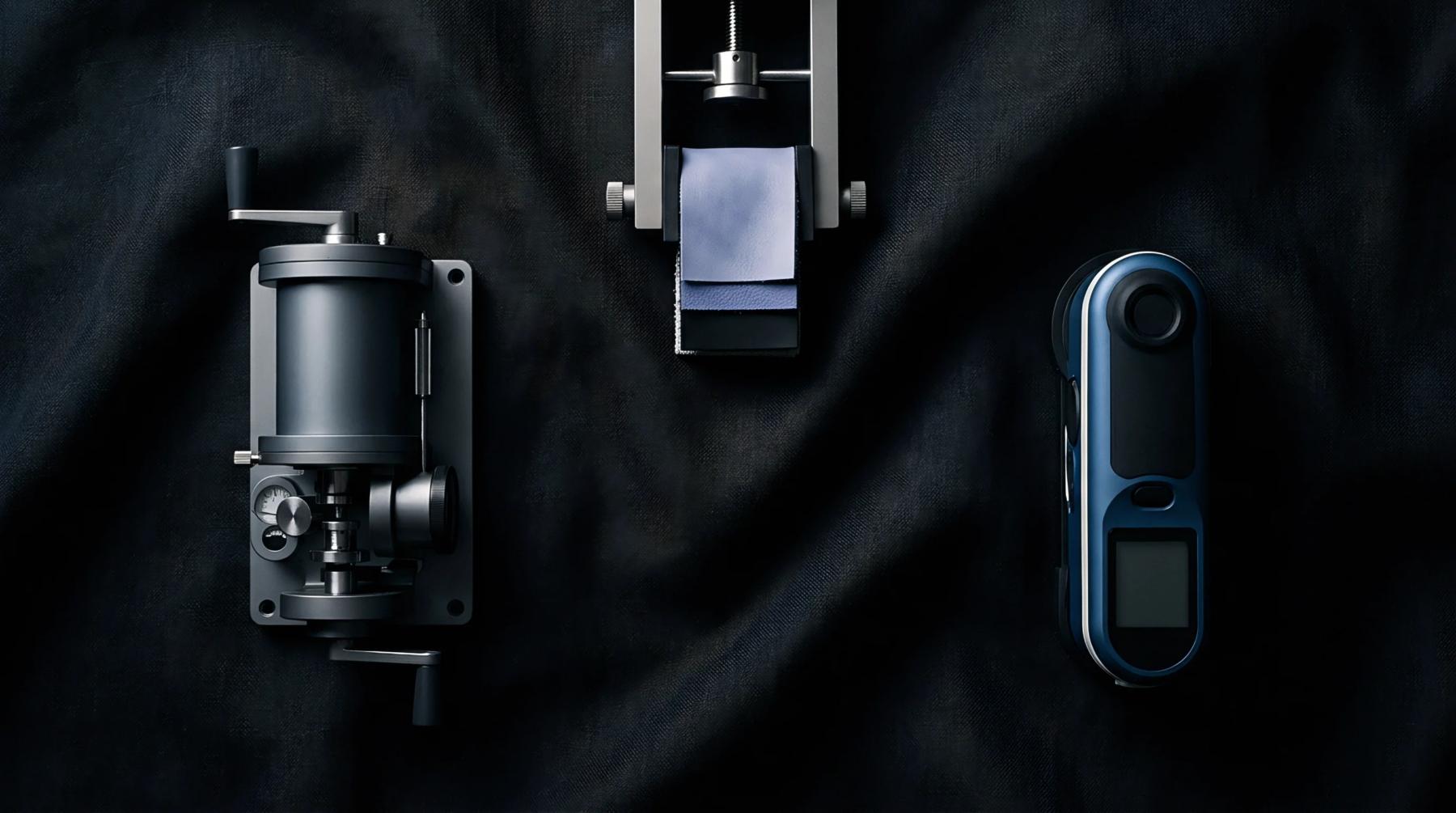
Analytical testing sets baseline proof, but mass balance reconciliation at the mill proves physical chain of custody for linen mixtures.

Spectrophotometric m-hydroxydiphenyl quantification of ammonium oxalate extracted pectin predicts bast fibre sliver drafting behavior and wet spinning yield.

Non-cellulosic residue fractions in flax sliver govern drafting stability, spinnable metric count, and true yarn yield; residual pectin exceeding 1.8 percent spikes end breakage and erodes landed cost discounts.
Expertise is a utility, not a secret. sentiention™ publishes its working knowledge as open reference: intelligence layer covering the materials it sources, the markets it enters, and the reference that serves both.