
Statistical Cross Sectional Area Distribution Variance in Wet Spun Flax Roving
Cross-sectional area variance in wet spun flax roving governs drafted yarn tenacity and dictates final metre price through end breaks and second-quality fabric.
Cross-sectional area variance in wet spun flax roving governs drafted yarn tenacity and dictates final metre price through end breaks and second-quality fabric.

Dynamic optical rail control compensates for wet flax traveller friction in real time, suppressing tension spikes to lower fine count end breakage by over sixty percent.
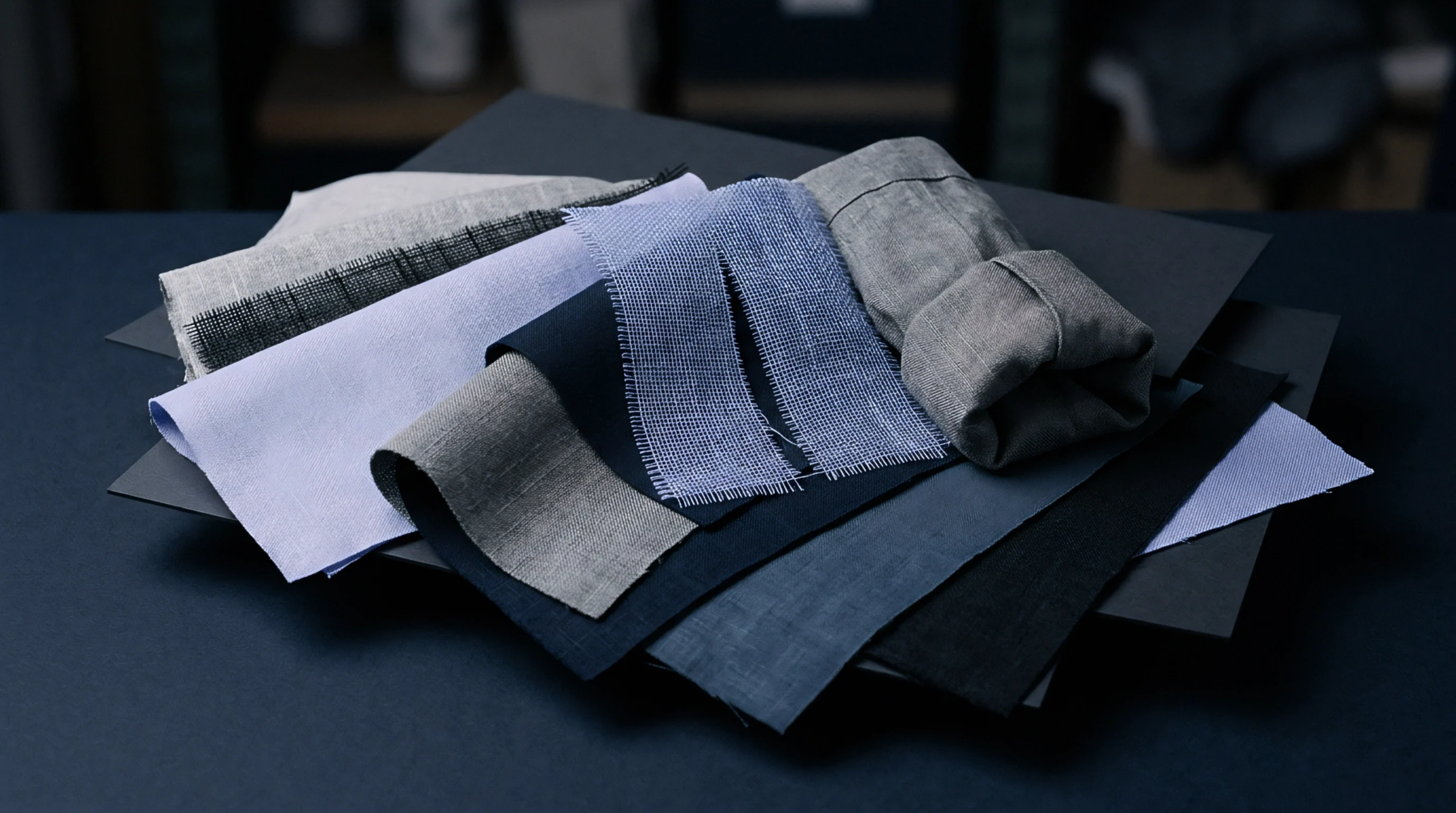
Establishing a minimum 0.45 core-to-sheath spectroscopic absorbance ratio prevents high-density Jacquard linen sizing penetration failure and loom downtime.
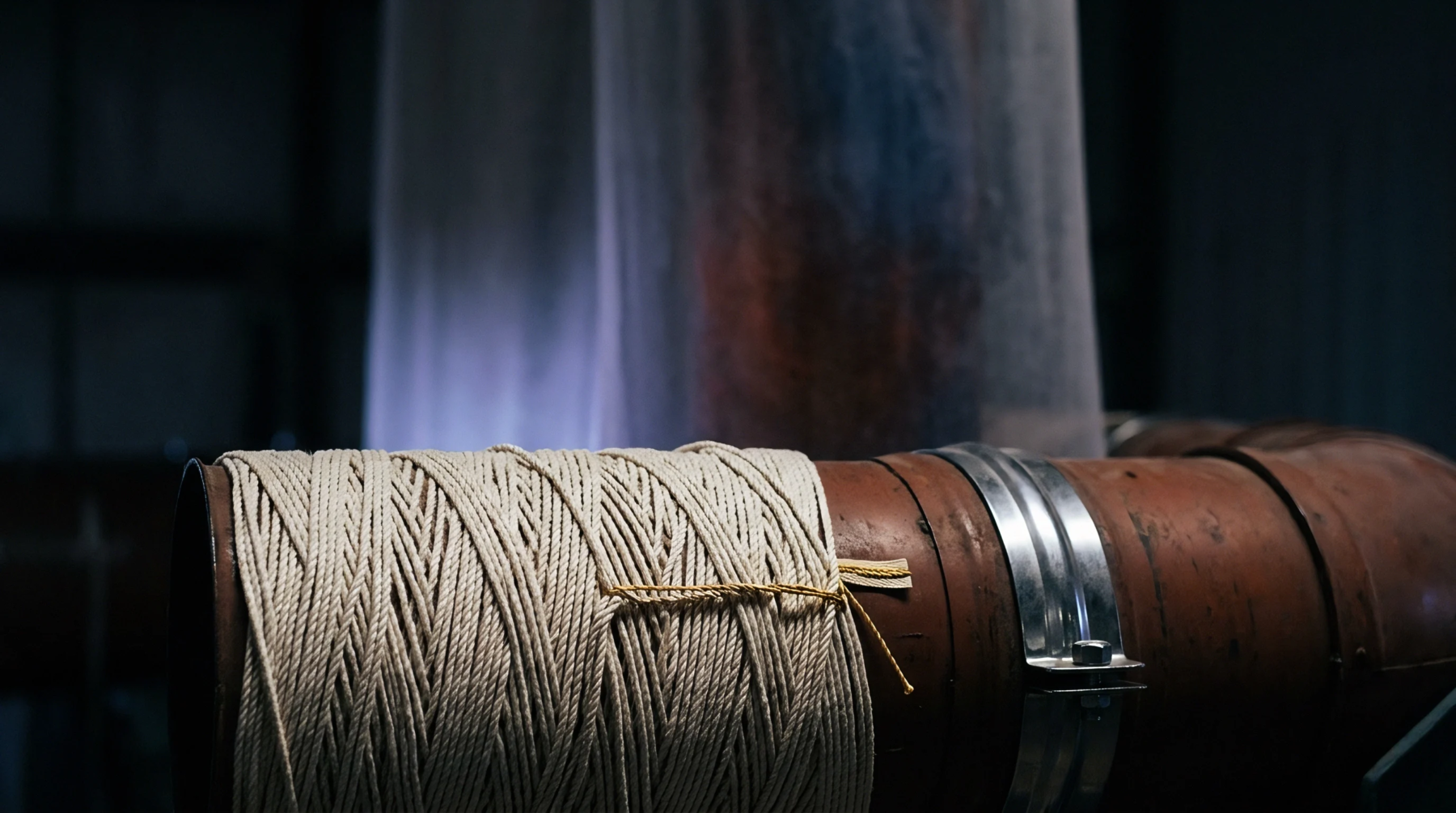
Active tension control and asymmetrical dobby dwell minimize stress spikes on low-stretch flax warps to prevent end breaks and starting marks.

Heat and drought lower flax middle lamella pectin shear strength, reducing hackling long-line yield and dropping wet-spinning count caps from Nm 39 to Nm 26.

Residual pectin levels below 1.5 percent dictate successful wet spinning of fine flax yarns above Nm 40 without elevated end breakage rates.

Resolving gravimetric fineness disputes requires ISO 2370 extraction standards, n=50 bundle sample sizes, and contracted metric number tolerance bands.
High-speed rapier friction accelerates evaporative desiccation in wet spun linen, requiring targeted shed micro-climates to maintain eleven percent regain.

Controlling residual pectin to 1.8-2.4% maintains inter-fiber void fraction below 0.32, maximizing packing density and tensile strength in blended line yarns.
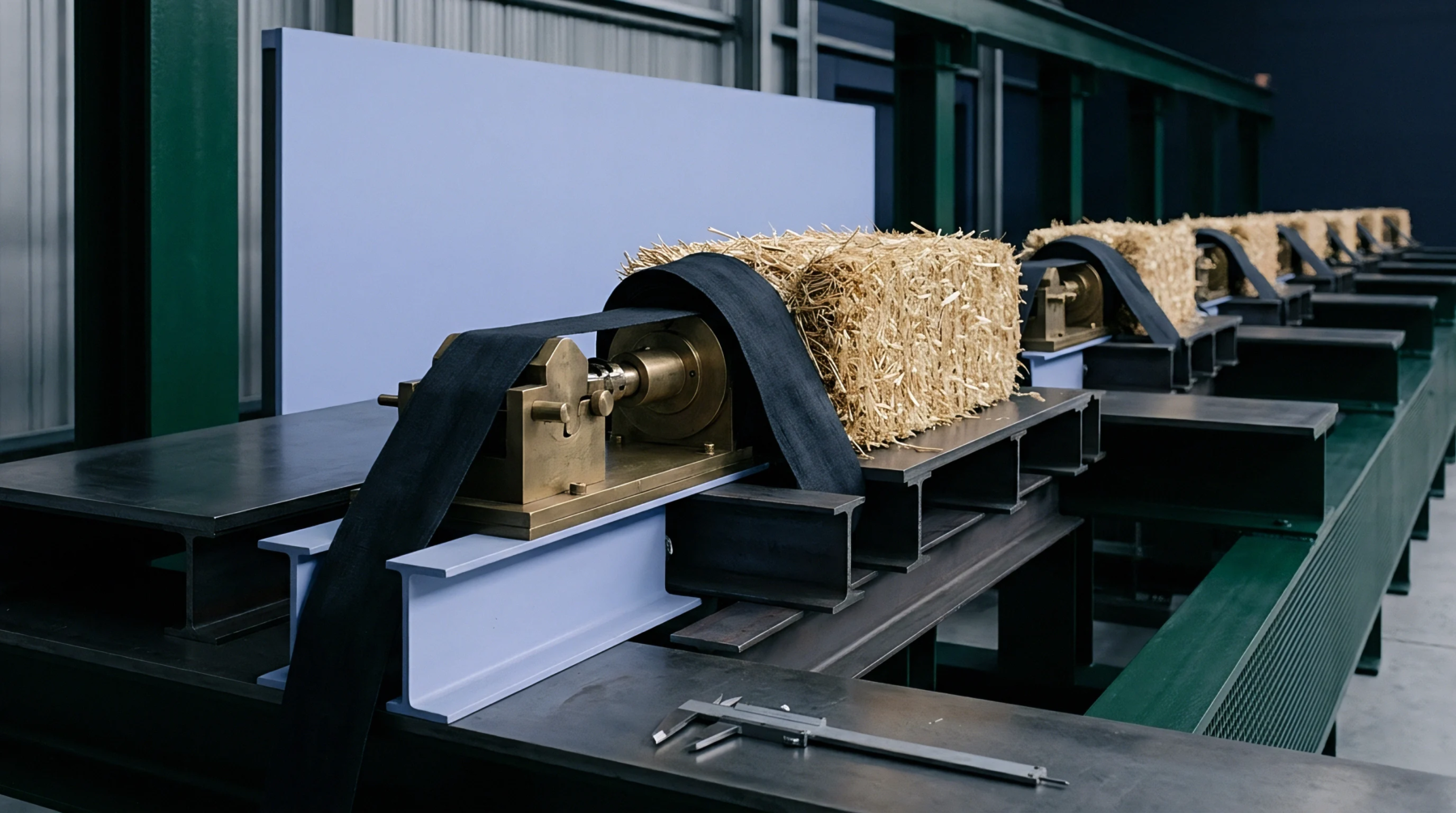
Dew retted line flax hackling yield determines long line fiber recovery, tow ratios, and yarn production costs through precise fineness and strength testing.
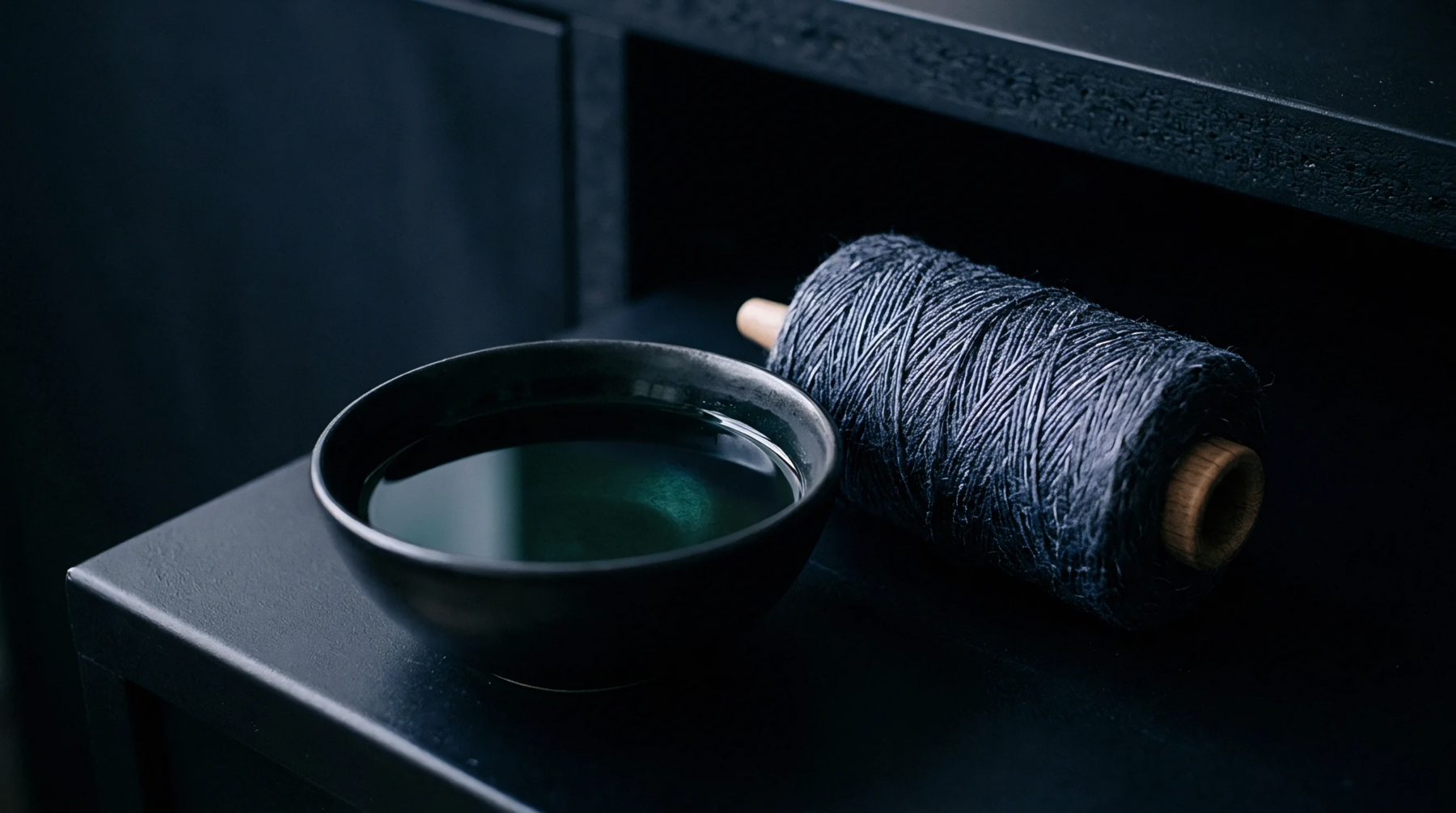
Warp sizing requires matching yarn packing factor to polymer viscosity, adjusting squeeze nip pressure for precise solids add-on, and maintaining elongation.

Elevated growth temperatures alter flax microfibril angle, reducing wet-spun yarn linear tenacity and requiring adjusted drafting tension and fiber grade pricing.

Asymmetric high-tension shedding accelerates viscoelastic creep and microfibrillar fatigue in linen warp yarns, demanding precise dwell and stagger tuning to control breakage rates and fabric crimp imbalance.
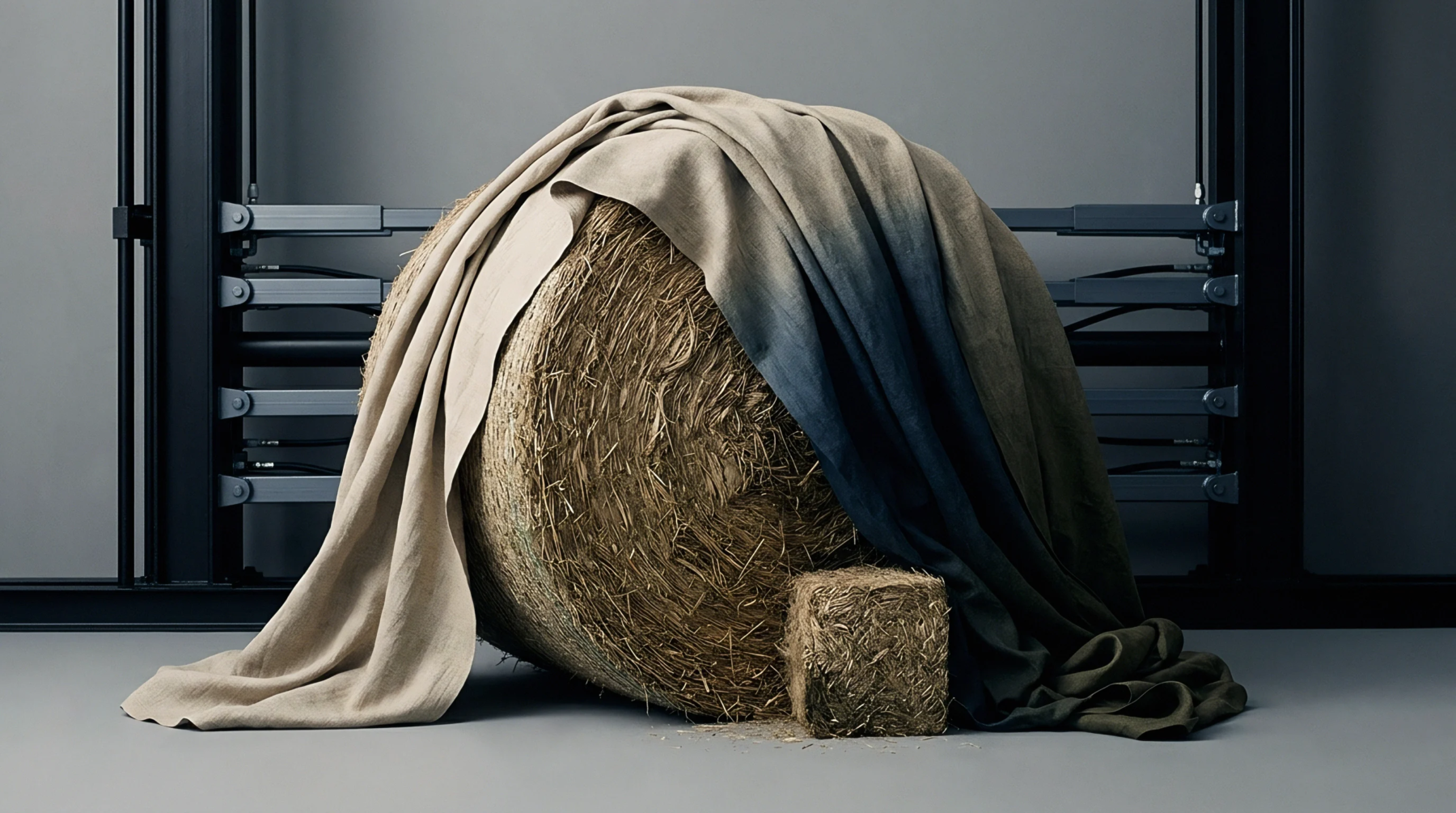
Bale opening routines verify dry mass, bundle tenacity, and shive content under ISO standards to lock in spinnable count and true fibre value before payment.
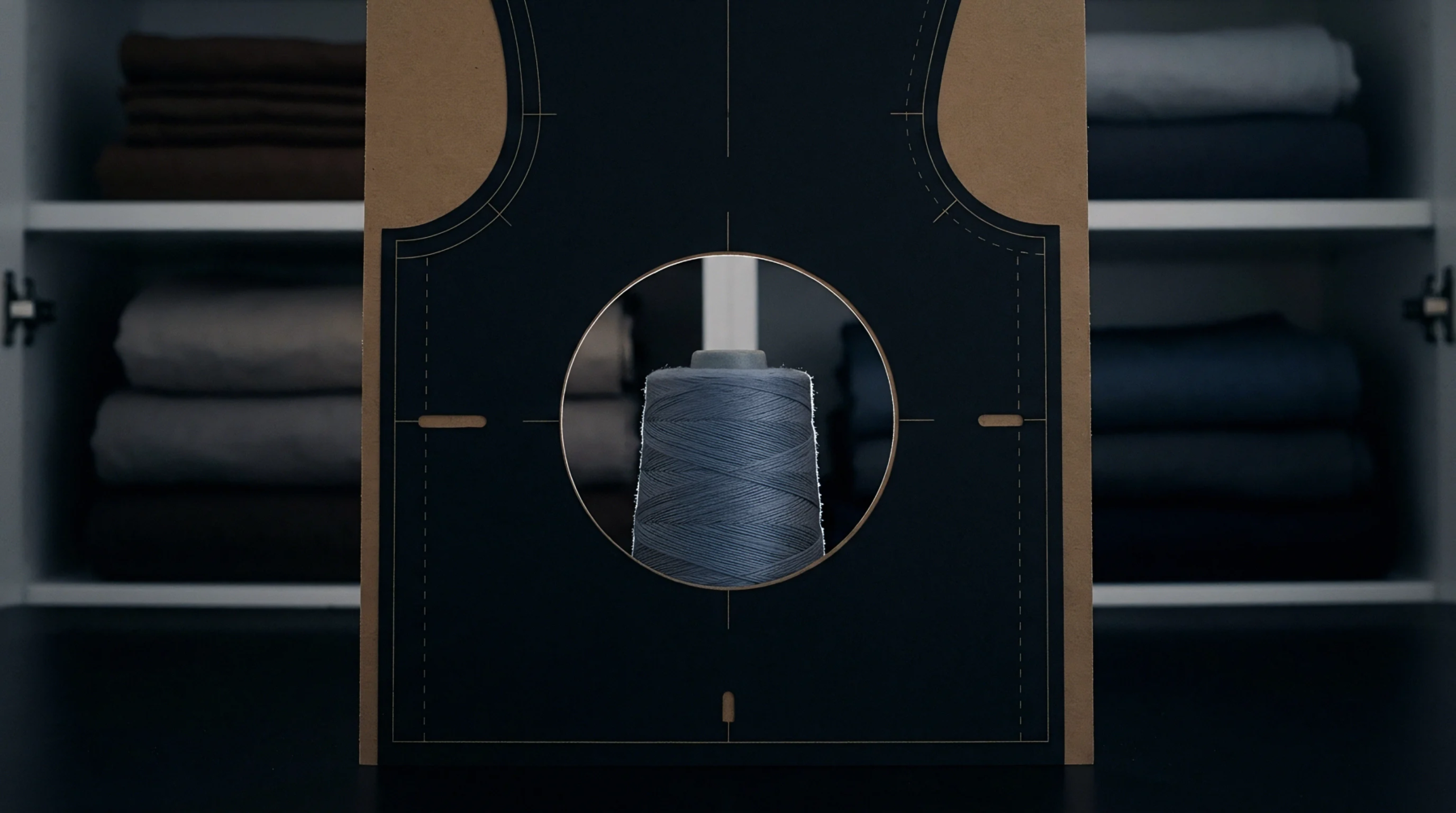
Wet spun flax linear density and mechanical properties depend on strict moisture regain control, hot water pectin drafting, and CRE tensile evaluation.
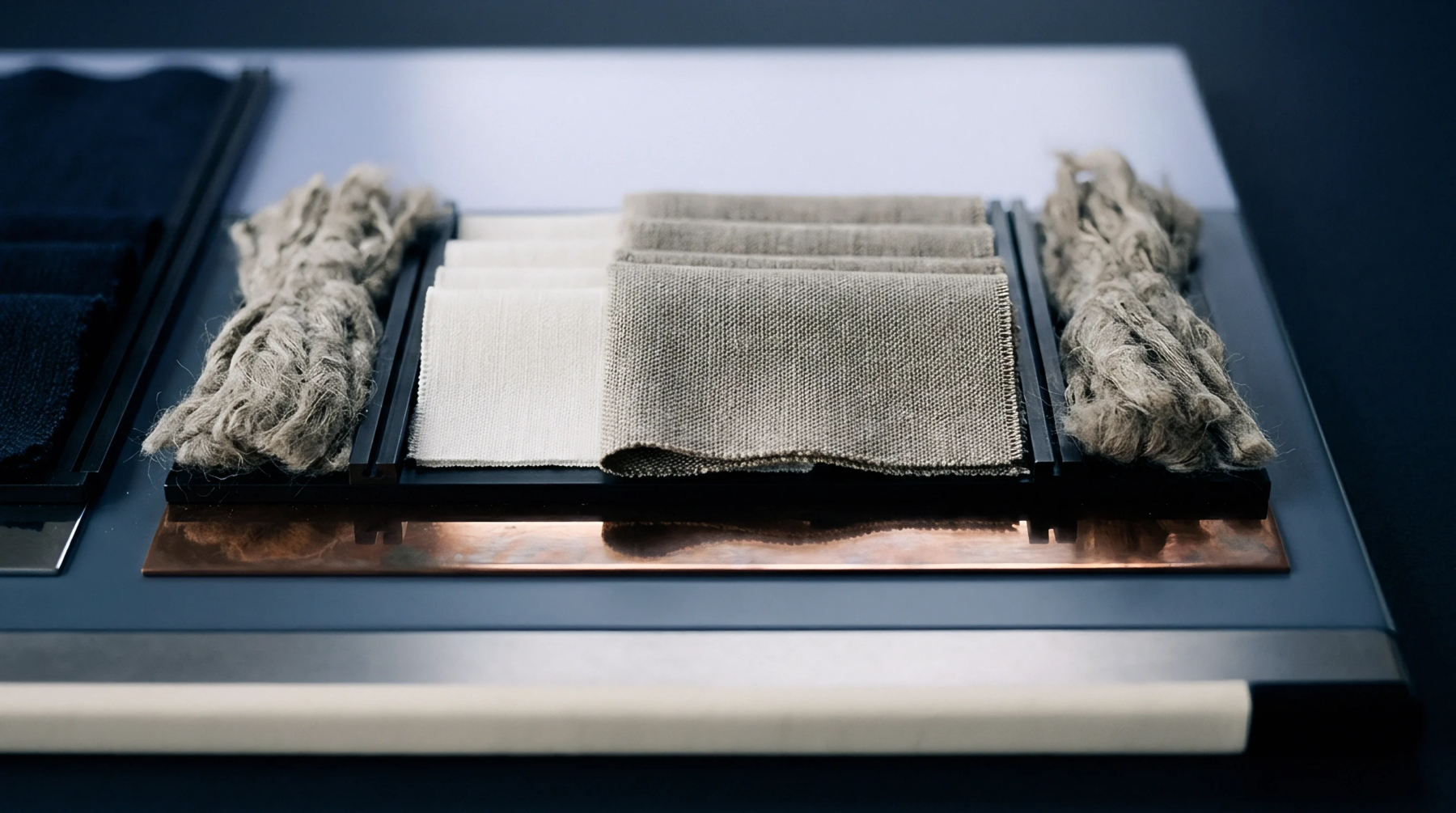
Cyclic shedding strain in high-density ultrafine linen warps causes inter-fiber shear micro-fibrillation, controlled by optimized PVA sizing and low shed angle.
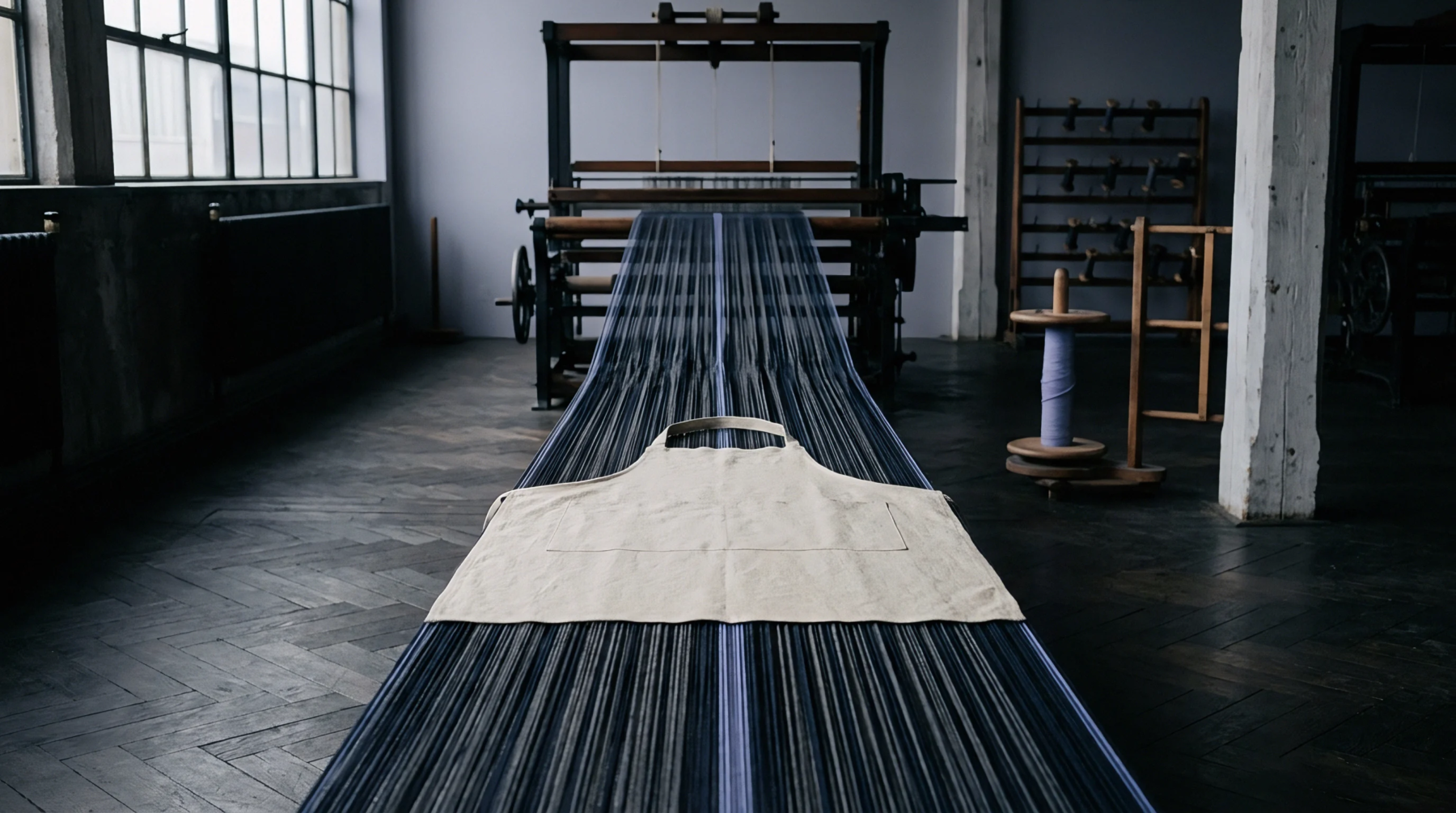
Adjusting rear shed depth and backrest symmetry flattens peak shedding tension spikes below yarn failure limits, drastically improving high-density linen loom efficiency.

Verify flax linear density using ISO 2370 cut length gravimetry on conditioned 50 mm bundles to prevent spinning end breaks and landed metre yield loss.
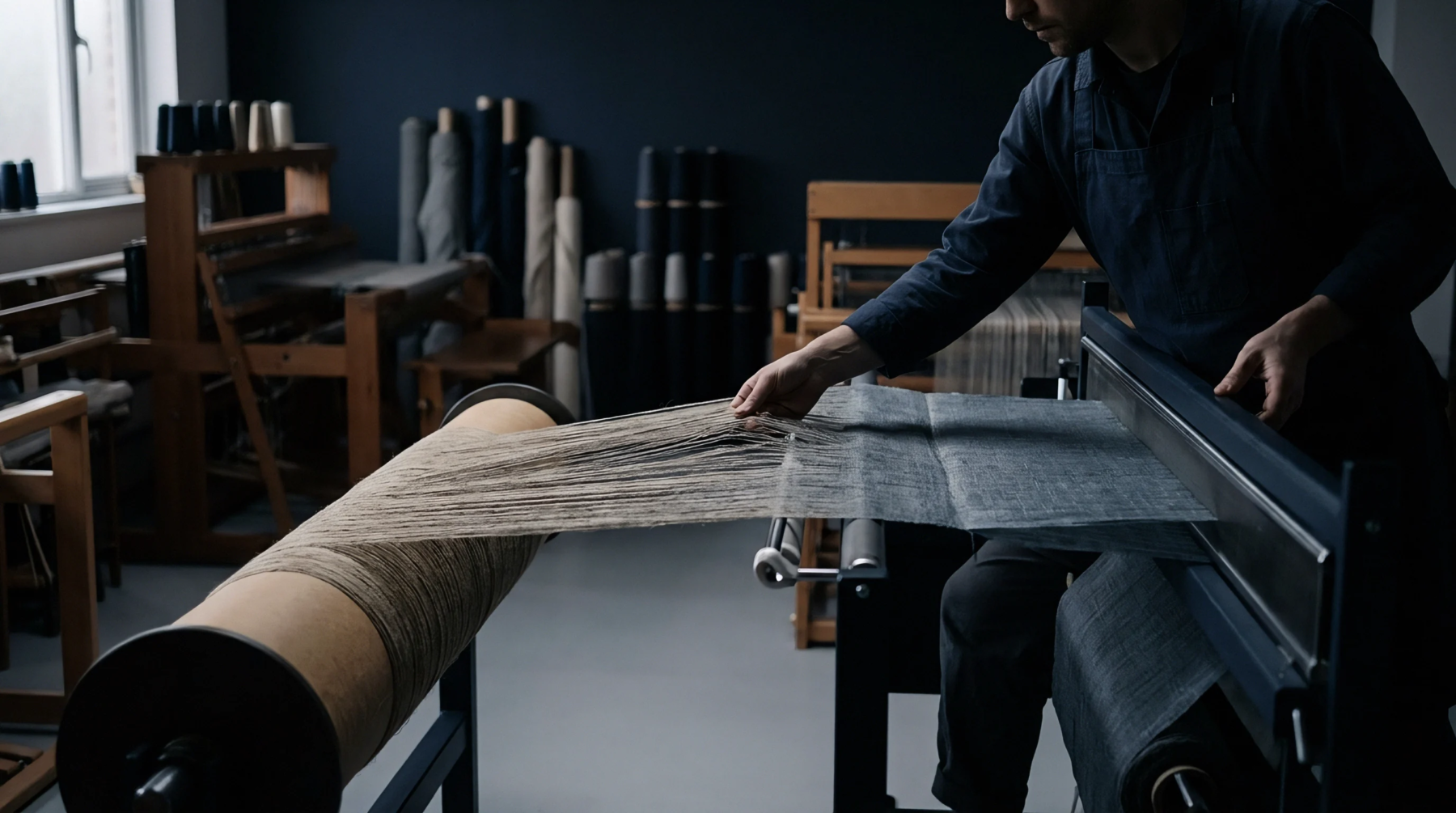
Uniform chemical size pick-up on long run linen warps requires continuous viscosity control, deflecting-compensated squeeze pressure, and balanced film elasticity.
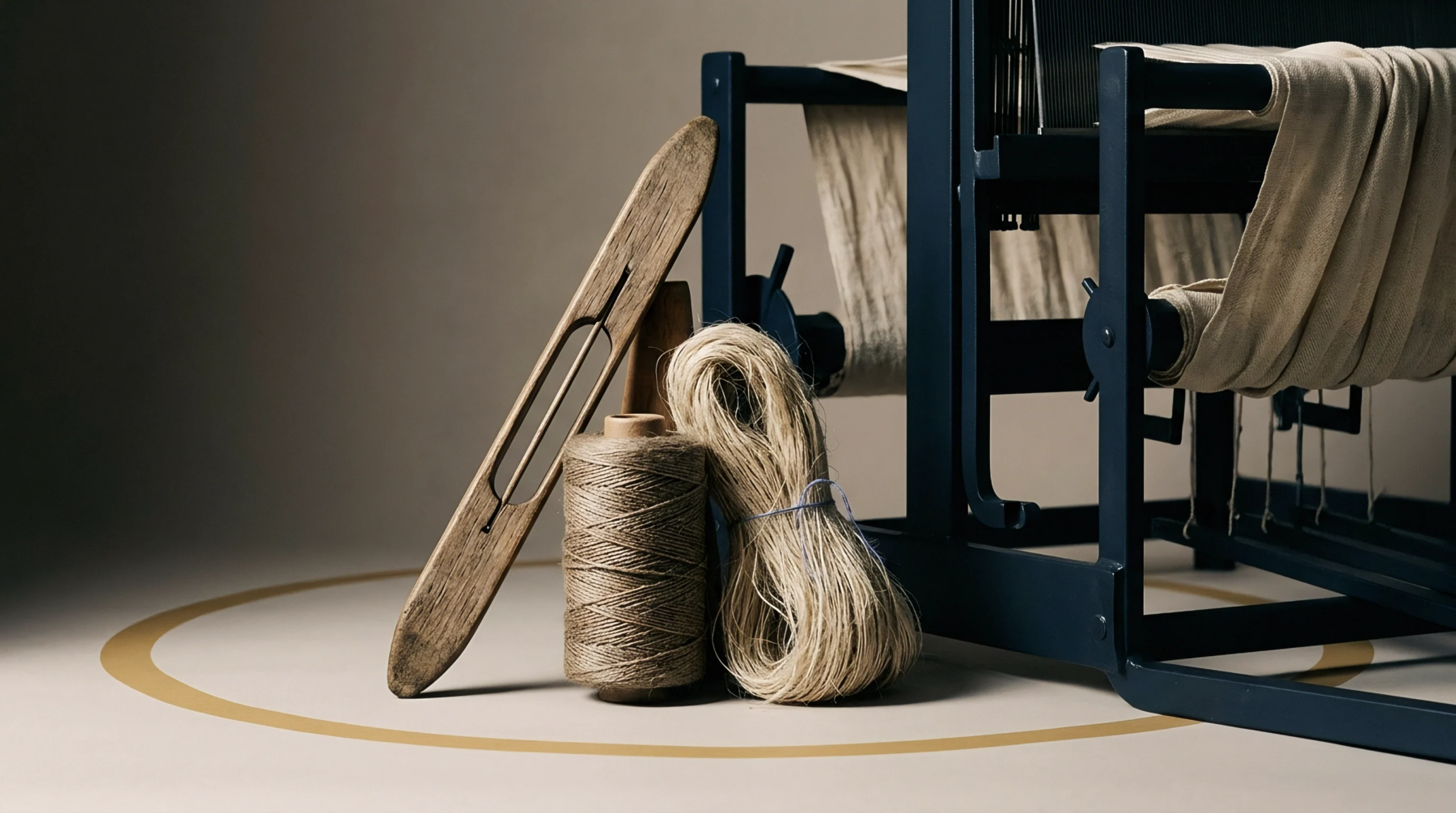
Positive rapier insertion handles low-elongation wet-spun linen warps reliably, while air-jets trigger high stop rates, pneumatic costs, and greige faults.

Equal weight plain weave stands rigid while twill drapes because maximum yarn crossover frequency locks crimp and restricts lattice shear mobility.
Expertise is a utility, not a secret. sentiention™ publishes its working knowledge as open reference: intelligence layer covering the materials it sources, the markets it enters, and the reference that serves both.