Structural Defect
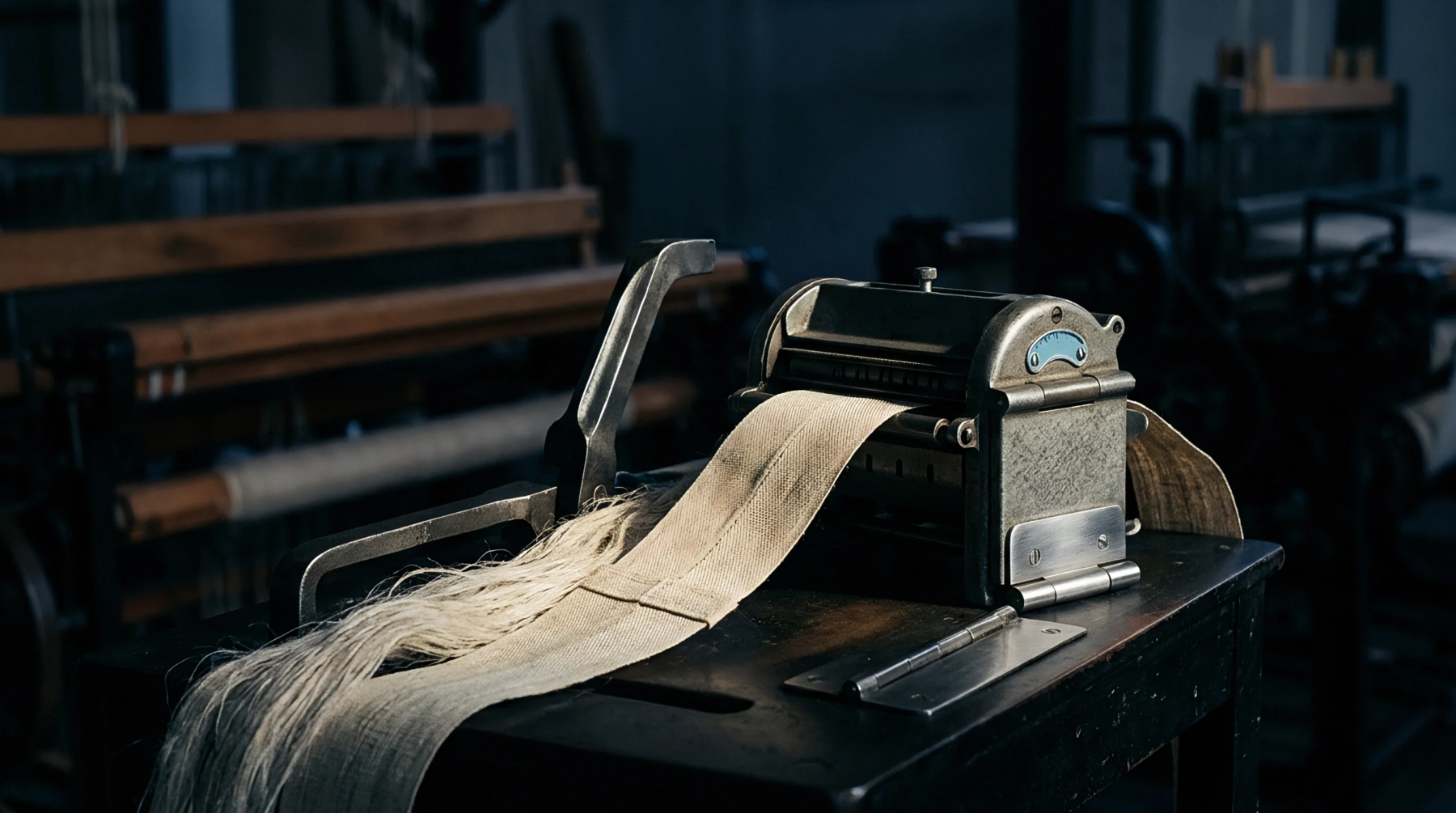
Interlaced fabric irregularities arise from a discontinuity in the weft yarn that terminates mid-shed during the insertion cycle. Such a failure leaves a partial channel unfilled by the filling yarn across the width of the linen fabric. When broken picks occur in rapier or air-jet looms, the automatic stop motion halts the machine to allow the operator to repair the pick.
If the machine continues to run, the resulting gap creates a thin line that alters the fabric structure.
Loom Disruption
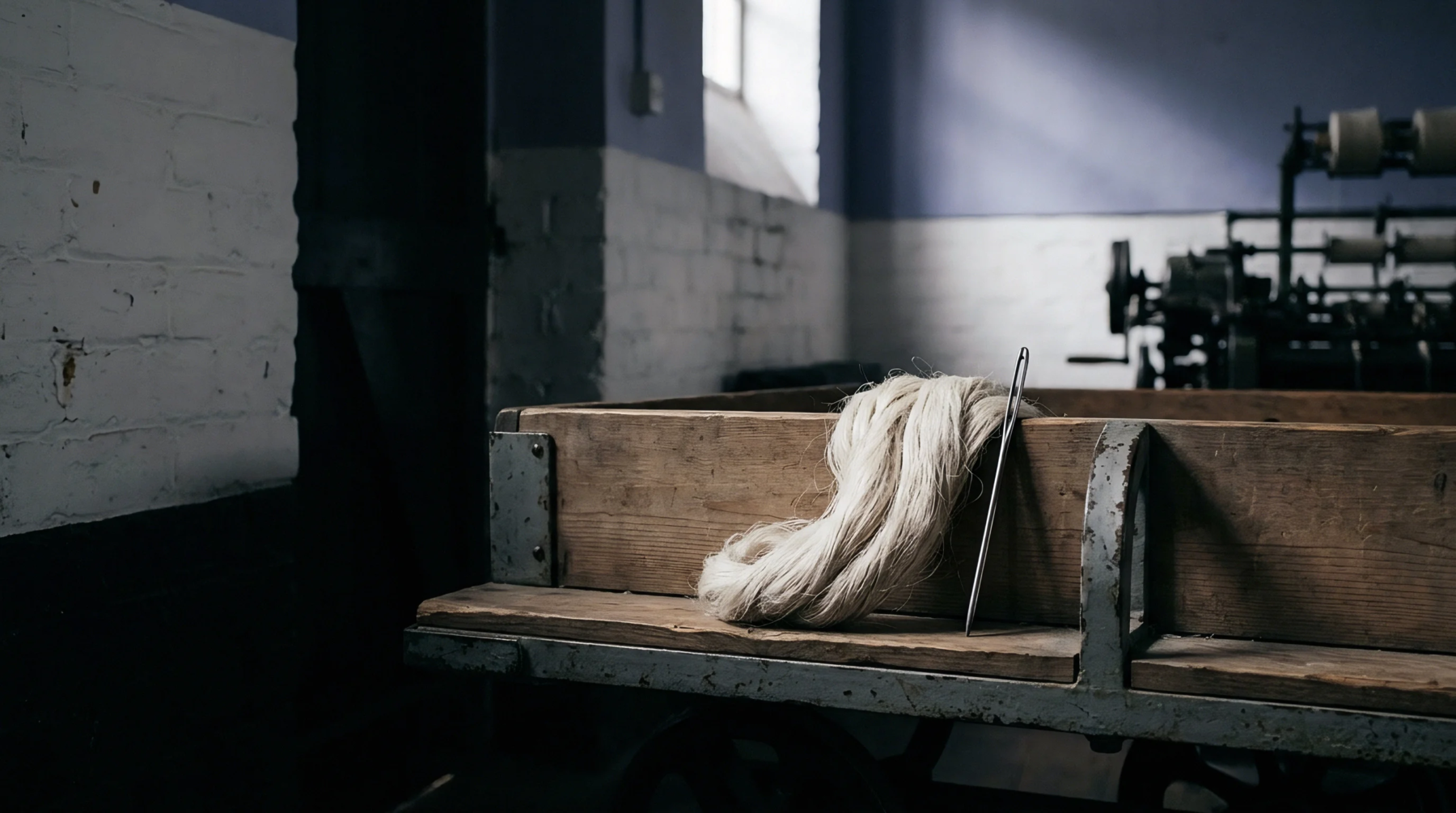
Insertion of weft yarn during high-speed loom operations exerts high tension on yarn of variable strength. Flax yarn has natural thick and thin places that are prone to snapping under sudden tension spikes. Weft tension variations, combined with irregular flax yarn diameter, often trigger these yarn breaks.
Air-jet or rapier insertion systems may catch on a slub, causing the yarn to snap before it reaches the opposite selvage. When this happens, the loom’s weft feeler detects the absence of yarn and initiates a brake sequence. This sequence must occur within a single pick cycle to prevent the loom from beating up a partial pick.
If the stop motion fails, the repair becomes much more difficult and leaves a highly visible line.
Fabric Inspection
Visual grading of linen pieces under standard inspection lighting identifies these gaps and penalizes the roll. The export standard enforces a maximum number of such defects per hundred meters.