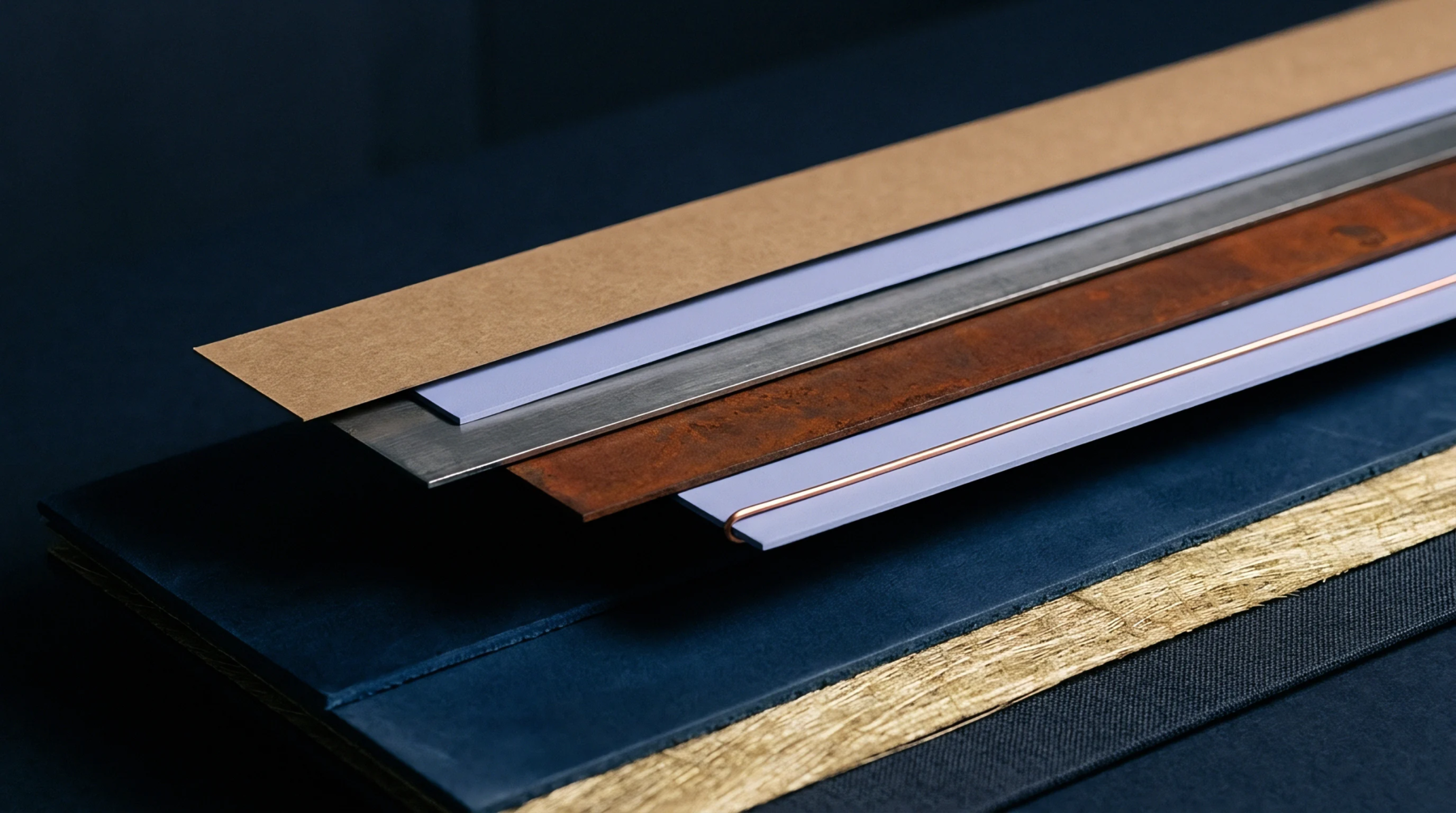
Managing Polymer Size Degradation during Wet Desizing of Linen Fabrics
Manage wet desizing by matching size chemistry to bath temperature and pH while auditing cellulose degree of polymerization to prevent loss of fiber strength.
Manage wet desizing by matching size chemistry to bath temperature and pH while auditing cellulose degree of polymerization to prevent loss of fiber strength.

Flax retting breaks down stalk pectin to separate spinnable fibers, requiring strict moisture control and scope-verified chain of custody to secure origin.

Classification of raw dew retted flax straw relies on stalk morphology, moisture limits, and chemical pectin degradation to predict mechanical scutching yields.
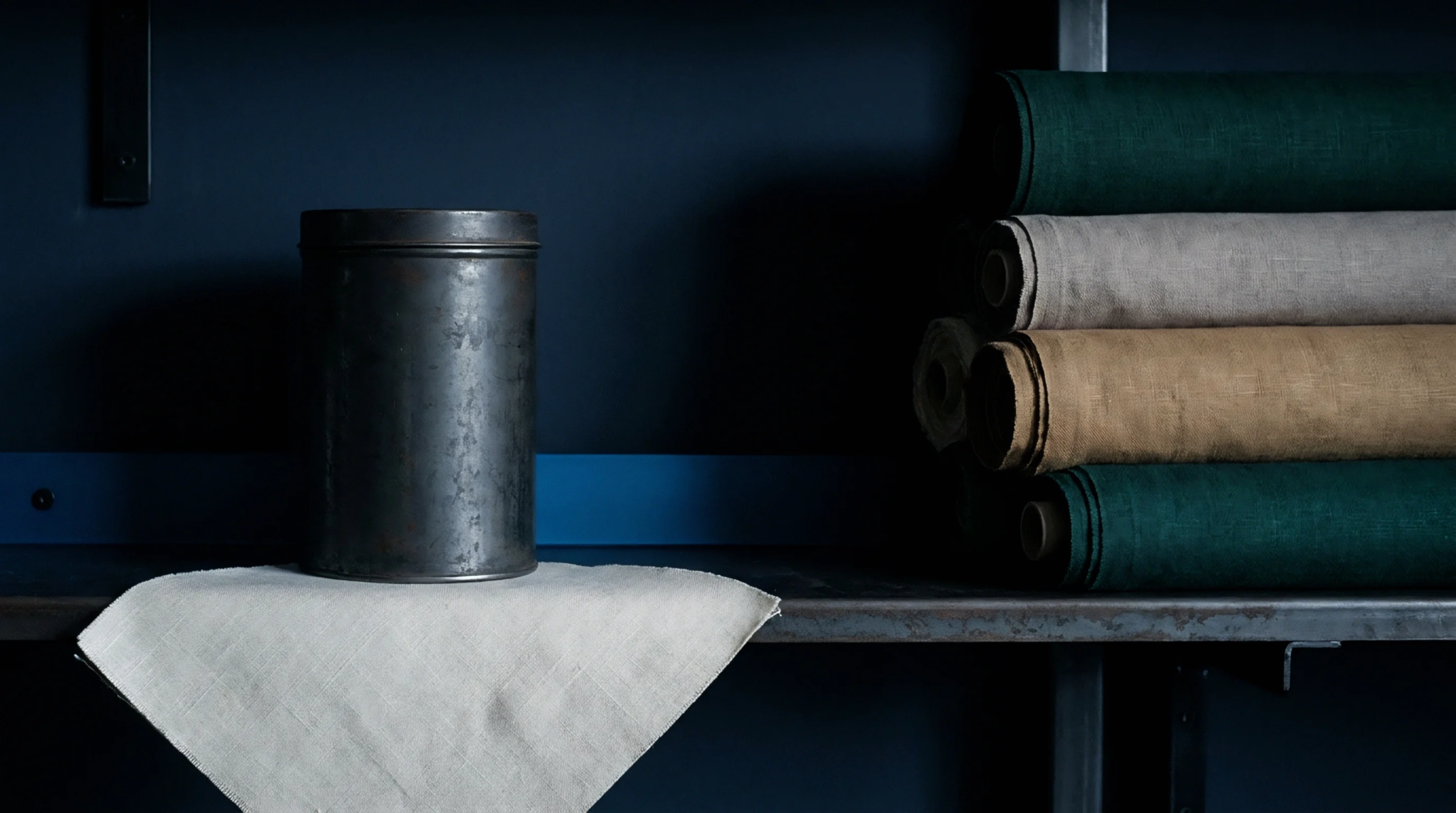
Low cohesion flax slivers collapse under high draft ratios, requiring reduced trough temperatures, higher roving twist, and tight ratch settings to hold count.

Enzymatic degumming for fine wet spinning demands residual pectin levels between 1.2 and 1.8 percent by mass to balance wet drafting and yarn tenacity.
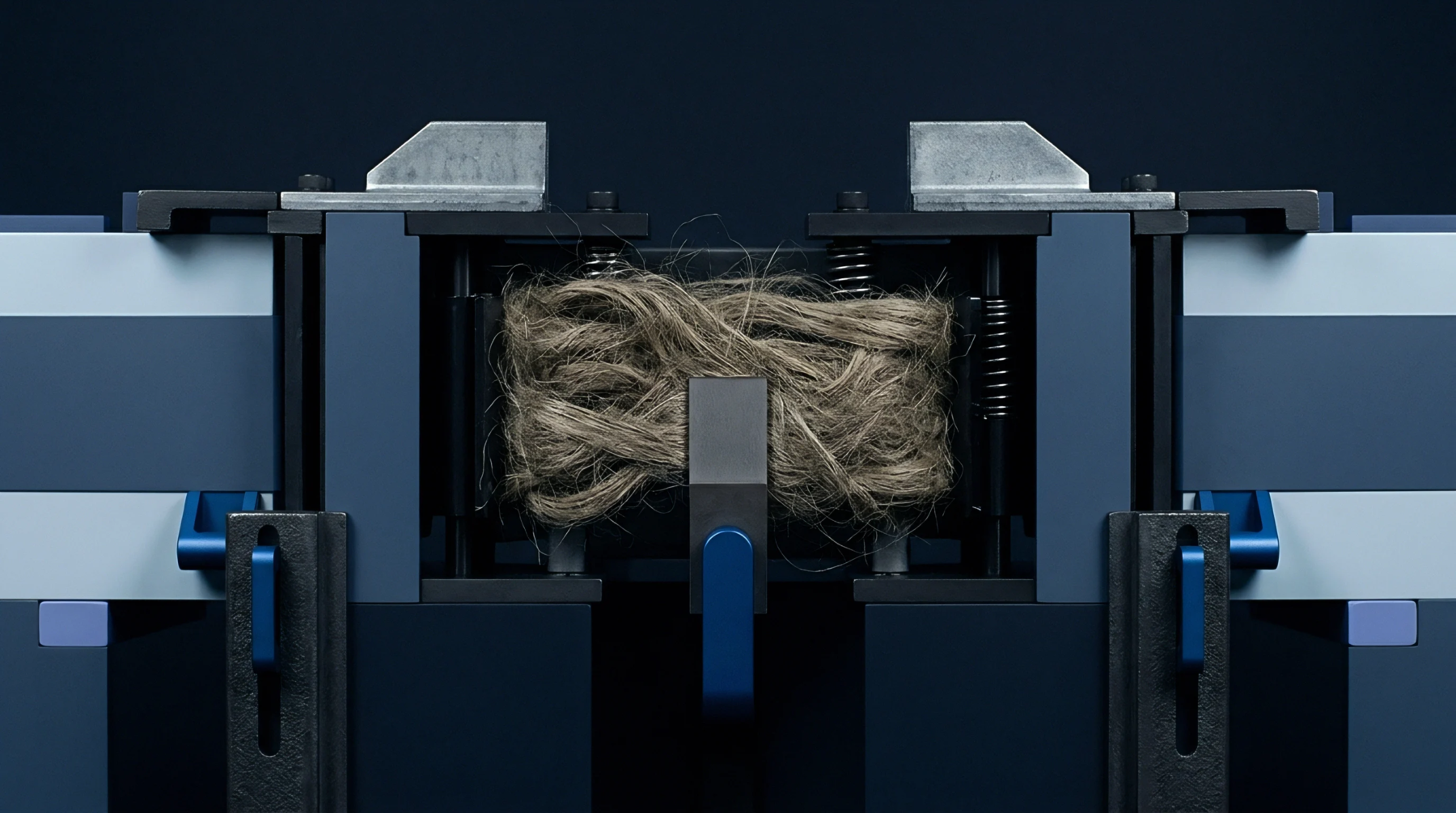
Detect short-staple flax blends in combed line sliver using comb sorter mass arrays and ISO 2370 air permeability tests to stop drafting breaks.
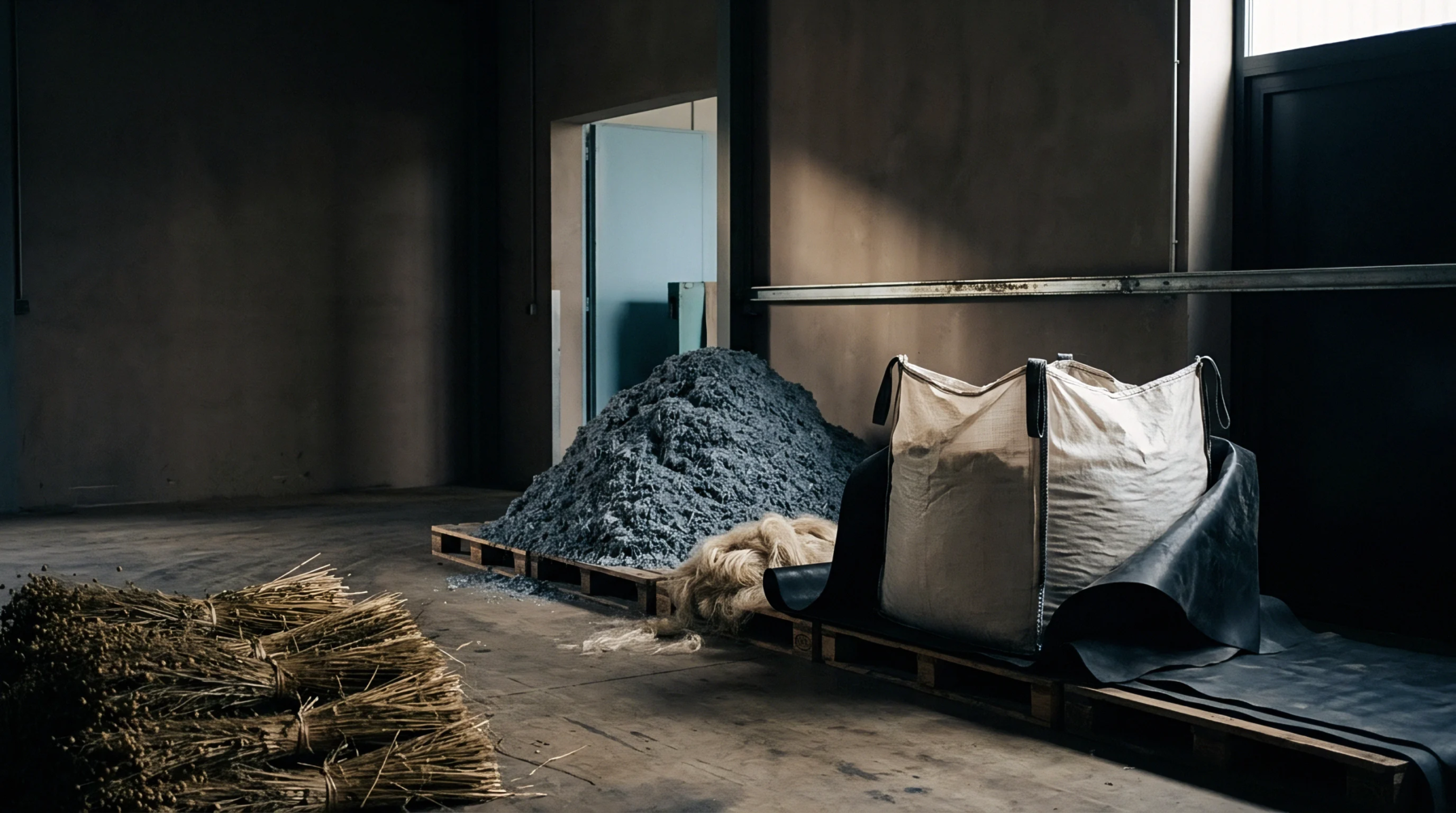
Imported French scutched long line delivers higher hackling yield and lower yarn break rates, outperforming domestic Chinese flax on landed metre fabric cost.
Expertise is a utility, not a secret. sentiention™ publishes its working knowledge as open reference: intelligence layer covering the materials it sources, the markets it enters, and the reference that serves both.