Auditing Mass Balance Reconciliation across Offshore Linen Spinning Mill Operations
Mass balance audits across offshore linen mills require adjusting physical yields for moisture regain and accounting for secondary co-products.


Bale
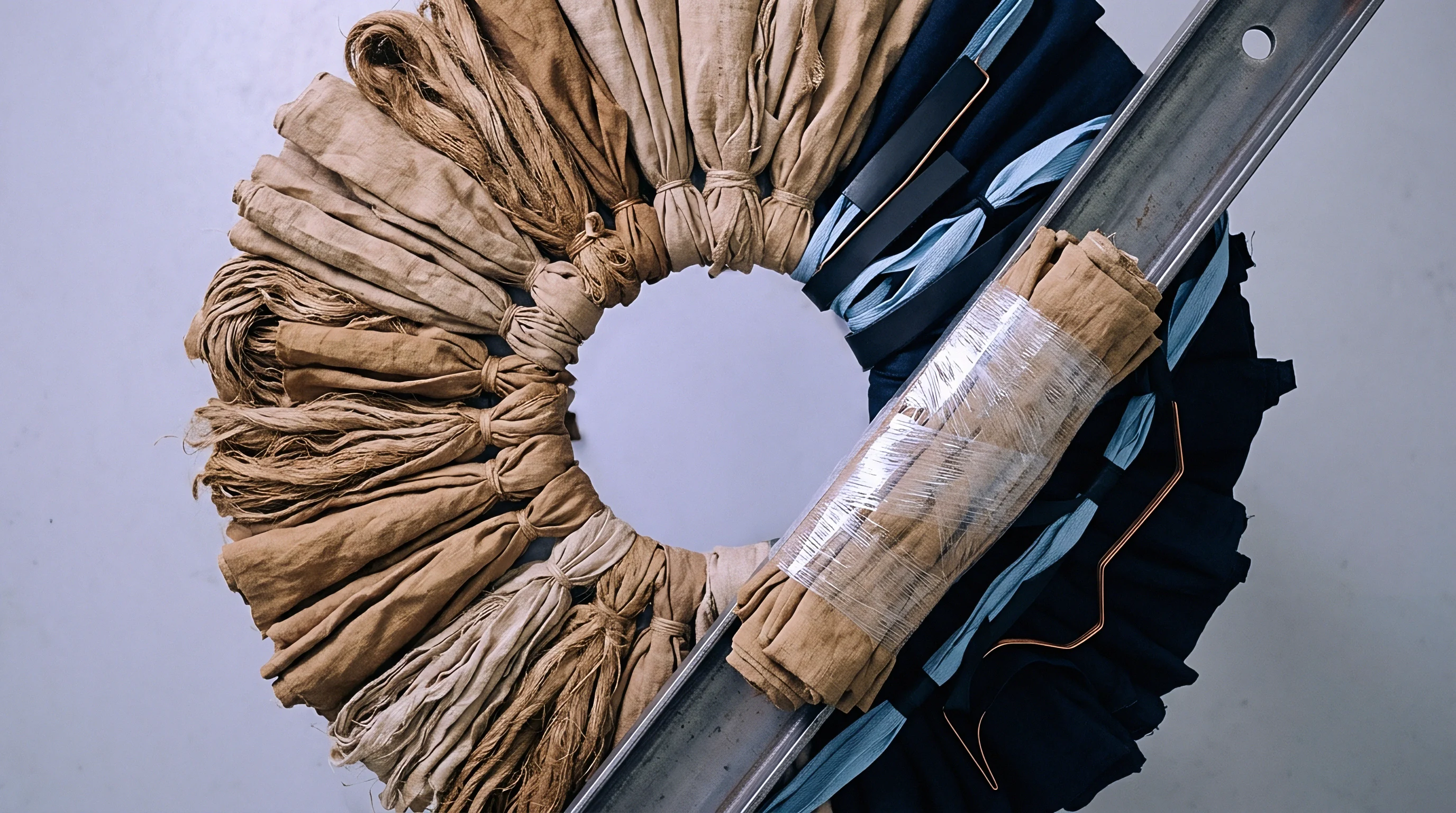
Raw material delivery records form the baseline for every chain of custody investigation across Asian textile facilities. When flax shipments arrive at an offshore ring spinning mill, physical receiving logs provide the first tangible verification step. Scutched flax and hackled tow travel from European scutching facilities wrapped in high-density pressed units secured with steel wire.
Each unit carries a physical tracking label specifying bale number, lot code, net weight, and moisture percentage measured at the time of pressing. The receiving warehouse records gross weighbridge scale readings, verifying whether landed weights align with ocean bill of lading manifest figures.

Transaction Documents and Scope Boundaries
Certificates issued under Textile Exchange standard GOTS or European Flax confirm that a mill holds authorization to process certified fibers. Valid scope certification proves equipment capability and operational compliance, but it does not prove that a specific shipment containing twenty tonnes of hackled flax contains certified fiber. Traceability breaks at uncertified warehouses.
Physical verification requires transaction certificates linked directly to shipping container codes, commercial invoices, and packing lists.
Audit procedures at the mill floor begin by verifying scope certificate validity on public certifier databases. Expiry dates, physical site addresses, and allowable processing categories dictate whether the mill can legally process certified linen, with discrepancies triggering immediate supplier disqualification. When an offshore spinner operates split production lines, uncertified raw flax stored adjacent to certified European flax introduces physical contamination risk.
A transaction certificate must match the exact weight listed on incoming customs clearance declarations.
Scope certificates validate facility processing eligibility without certifying that incoming fiber physical lots meet declared origin criteria.

Physical Lot Identification at Intake
Warehouse receiving logs match container seal codes against incoming packing slips before fiber enters the opening room. Because bale weights vary with humidity, technicians record individual bale tag serial numbers into the mill’s internal enterprise resource planning system upon container unloading. These tags connect raw flax lots directly to European scutching output batches.
Traceability fails when mills detach original shipping tags and replace them with internal mill barcoding without maintaining a direct digital cross-reference table.
Discrepancies in raw material intake documentation expose buyers to severe traceability failures. Auditing the intake stage requires examining five specific documentation failure modes:
- Scope Certificate Expiry Gaps occur when raw flax arrives during periods when the mill facility certification has lapsed prior to renewal issuance.
- Weight Mismatches Across Invoices emerge when declared invoice net mass exceeds ocean bill of lading figures by more than standard moisture variance limits.
- Unlinked Shipping Container Manifests happen when transaction certificates cite generic lot numbers that fail to appear on sea freight bill of lading documents.
- Internal Re-tagging Omissions arise when original European bale numbers are removed without logging cross-reference serials in internal warehouse ledgers.
- Mixed Storage Contamination occurs when certified organic or European flax bales sit unseparated from conventional uncertified fiber in open opening-room staging bays.
Disregarding intake physical reconciliation exposes buyers to financial liability when customs authorities reclassify unverified yarn shipments under non-preferential origin rules and levy retroactive anti-circumvention tariffs.

Conversion
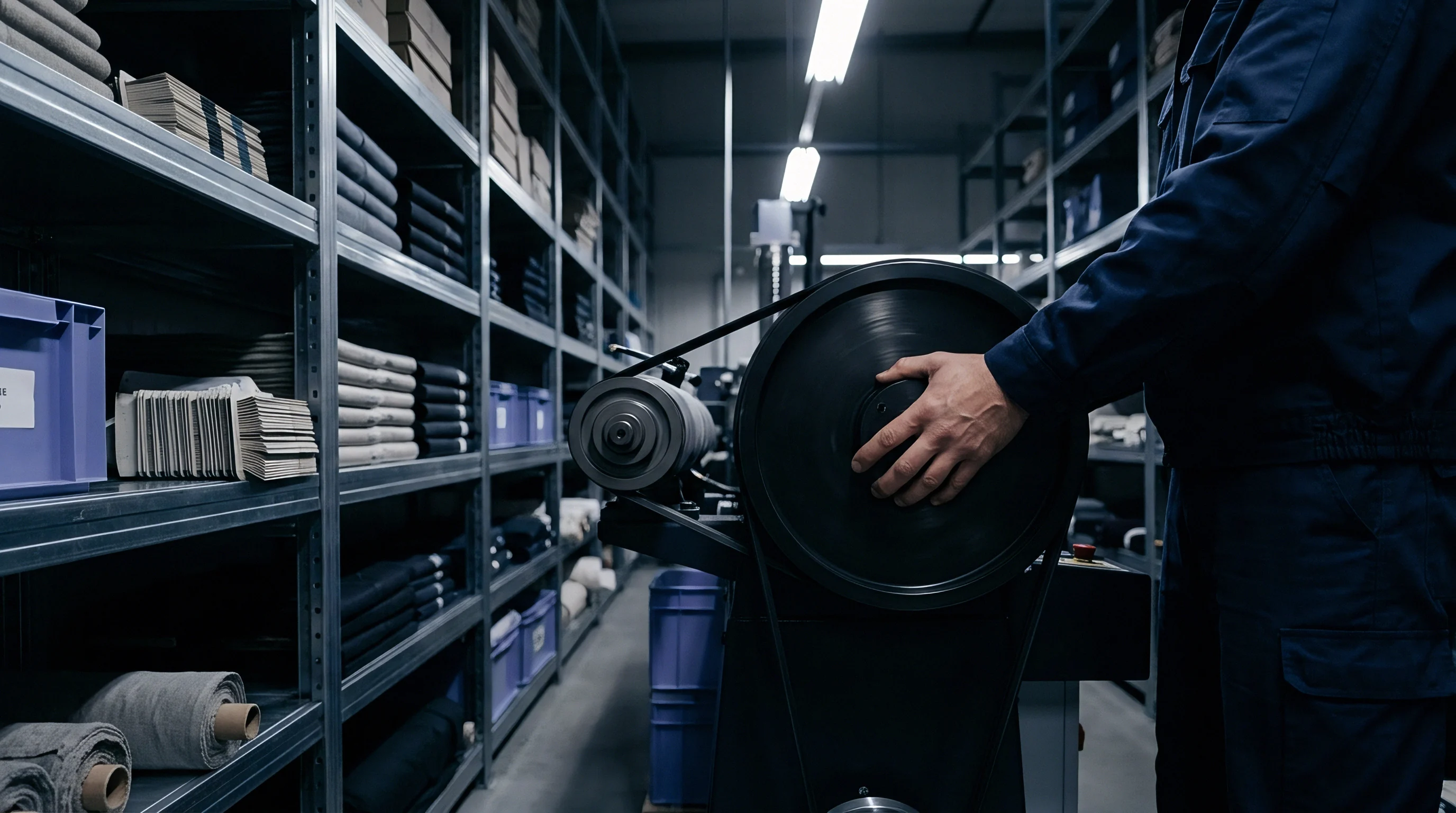
Mechanical extraction transforms scutched flax fiber into sliver and thread through sequential physical stages, yielding secondary co-products alongside primary yarn output. Fiber length distribution, shive removal rates, and mechanical breakages dictate total mass conversion efficiency. Offshore linen mills operating wet ring spinning frames process long flax fiber through hackling, carding, drafting, roving, and wet spinning frames, where short fiber generates heavy dust.
Each mechanical transformation step removes physical mass through waste streams, affecting the final balance sheet calculation.
Mass Losses across Hackling and Carding
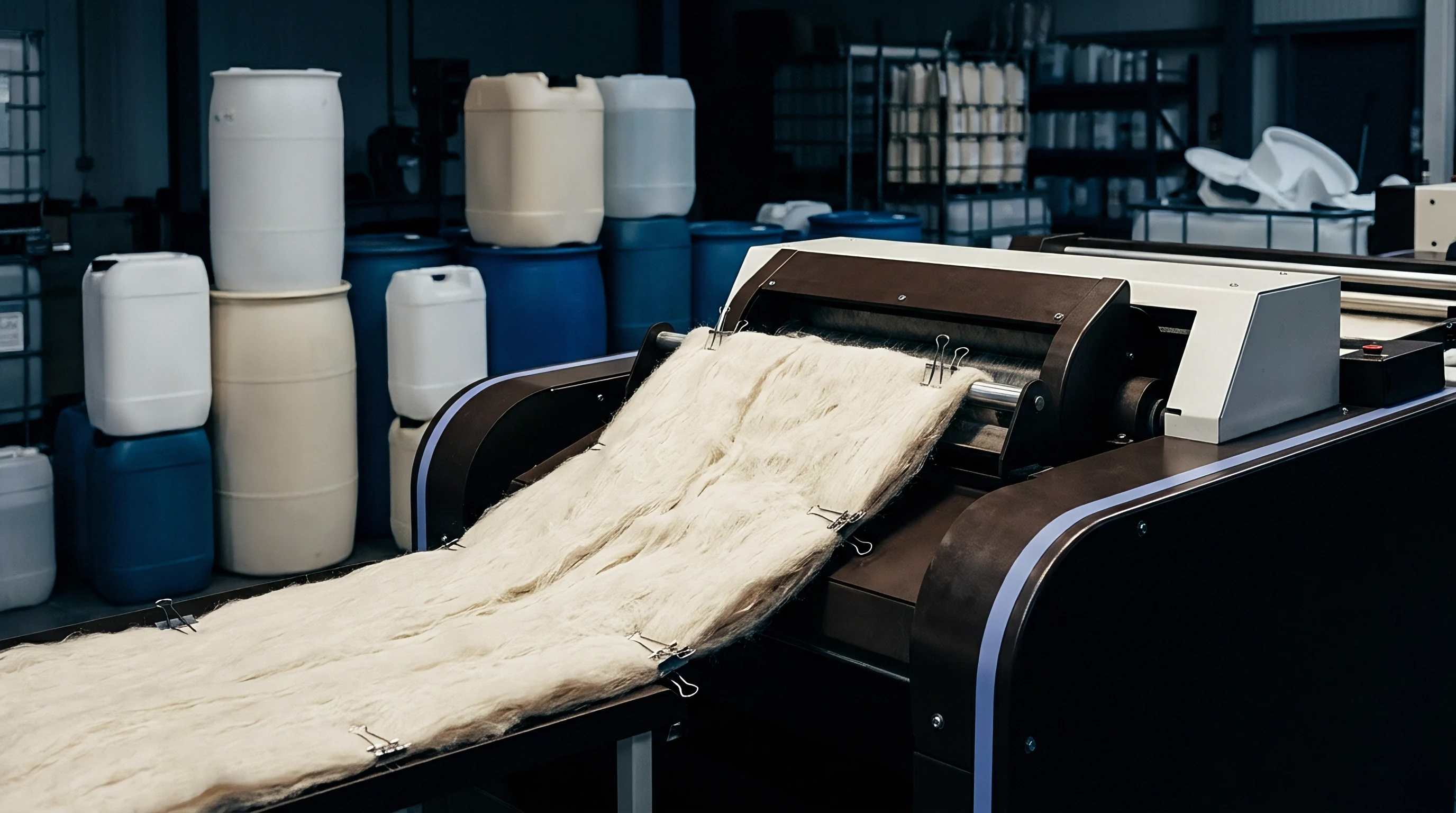
Long flax fiber processing generates distinct fractions of combings, short tow, and heavy shive dust. Scutched flax entering the hackling machine undergoes comb passes that align long fibers into continuous slivers while stripping short fibers into comb tow. Hackling yield for high-grade European long flax typically averages between sixty and sixty-eight percent long fiber sliver, with the remaining thirty-two to forty percent splitting into hackling tow, coarse shive dust, and moisture evaporation.
Physical carding of tow fibers extracts additional residual shive particles and short broken fibers called carding fly, while sliver drafting removes short flax tow. During wet spinning, roving strands pass through heated water baths held between sixty and seventy degrees Celsius to soften pectin bonds before ring spinning drafting. Pectin dissolution in wet spinning troughs removes two to three percent of organic fiber mass into liquid waste streams, and scale weight adjustments must account for this non-recoverable extraction.
| Processing Phase | Input Material | Primary Output Stream | Secondary Stream Yield | Invisible Loss Mass Rate |
|---|---|---|---|---|
| Hackling Comb Pass | Scutched Long Flax | Hackled Sliver (62-66%) | Hackling Tow (28-32%) | 3.5-4.5% Shive Dust |
| Tow Carding | Hackling Tow | Carded Tow Sliver (72-78%) | Noil & Short Waste (15-20%) | 4.0-6.0% Fly Dust |
| Roving Preparation | Flax Sliver | Roving Bobbins (94-96%) | Sliver Ends (2-3%) | 1.0-2.0% Moisture Loss |
| Wet Ring Spinning | Flax Roving | Wet-Spun Yarn (90-93%) | Pectin Liquefaction (2-3%) | 3.0-4.0% Ring Fly / Slubs |

Sequential Yield Audit Step
Auditors track weight changes through four physical processing rooms to establish true output ratios.
- Weigh incoming raw fiber bales prior to opening, recording gross weight, tare, and core sample moisture content percentage under standard laboratory conditions.
- Audit hackling room yield logs by summing weighed long fiber hackled sliver output, weighed comb tow bales, and collected dry shive waste weights.
- Calculate net roving output weights by subtracting bobbin tare weights and deducting measured bath pectin loss factors from gross wet-spun bobbin scale figures.
- Compare total finished yarn cone net weights against initial dry fiber mass input to establish the true total mill conversion efficiency factor.
Spinning mill managers frequently explain unaccounted mass variance by citing unmeasured ambient humidity shifts during carding and unrecorded machine cleaning waste dumps.


Moisture
Water content fluctuates continuously throughout mechanical carding, roving, and wet ring spinning. Linen fiber possesses high hygroscopic sensitivity, absorbing ambient water vapor up to twenty percent of its dry weight without feeling wet to the touch. Scale weight measurements taken directly on the mill floor reflect atmospheric relative humidity rather than actual fiber mass.
Because moisture regain standards dictate invoice mass, failing to adjust raw scale weights to standard dry mass baselines creates major mass balance errors that corrupt supply chain traceability records.
Standard Commercial Regain Corrections
Official dry weight calculations rely on ISO 6741 oven-drying protocols to adjust scale measurements to an agreed commercial point. Under international commercial practice, the standard allowance for moisture regain in both flax yarn and raw scutched flax fiber is twelve percent calculated on bone-dry mass. Oven drying establishes bone dry mass, without which unadjusted scale weights distort mass ratios.
When an offshore mill receives flax fiber at fourteen percent actual moisture content and ships spun yarn at eight percent moisture content, scale weight alone shows an apparent mass loss of six percent. This loss represents water vapor lost to ambient plant air rather than lost fiber. Standardized mass balance audits apply mathematical correction equations that convert all scale weighings to commercial dry weight equivalents before calculating conversion efficiencies.
Scale weight measurements taken prior to oven drying reflect environmental humidity rather than actual fiber mass.

How Does Wet Spinning Alter Dry Mass Equivalents?
Liquids absorbed during warm-water trough passage introduce non-fibrous mass that distorts gross scale readings. Yarn wound onto spinning bobbins leaves the ring frame carrying water content between twenty-five and thirty-five percent of dry thread mass. Bobbins pass through radio-frequency drying ovens or hot air drying chambers to reduce moisture back to commercial limits before cone winding.
If drying oven settings leave yarn at ten percent moisture while input raw fiber was audited at twelve percent moisture, raw scale weights register a false physical yield drop. Conversely, intentional re-humidification during cone winding using water spray nozzles or humidified storage rooms artificially inflates yarn scale weights, allowing mills to cover up uncertified fiber substitution or process waste leakage. Taking oven-dried core samples from finished yarn packages identifies this artificial mass inflation.
Verifying scale readings against dry mass baseline calculations prevents paying fiber prices for unevaporated processing water.


Variance
Discrepancies between certified intake weights and output sales volumes signal either process leakage or physical substitution. Auditing an offshore linen mill demands rigorous mass reconciliation across defined batch processing runs. When an Asian spinning mill purchases fifty tonnes of certified European flax fiber, the output volume of certified yarn and certified co-products cannot exceed the physical dry fiber limits of that intake batch.
Audit records expire after twelve months, and any uncertified blend volume voids transaction certificates.

Mathematical Formula for Mass Balance Reconciliation
Quantifying fiber throughput across an offshore spinning run balances raw material inputs against finished yarn and documented waste streams. The fundamental mass conservation principle dictates that raw fiber dry mass must equal finished yarn dry mass plus accounted dry waste mass plus non-recoverable invisible loss mass.
Mathematical reconciliation follows a precise dry mass conservation equation:
M_input (100 / (100 + R_input)) = M_yarn (100 / (100 + R_yarn)) + M_tow (100 / (100 + R_tow)) + M_waste + M_invisible
Where M_input represents scale mass of raw flax fiber intake, R_input represents measured input moisture regain percentage, M_yarn represents scale mass of spun yarn output, R_yarn represents measured yarn moisture regain percentage, M_tow represents scale mass of secondary tow output, M_waste represents scale mass of collected dry shive and fly waste, and M_invisible represents organic pectin bath extraction and unaccounted physical loss.
Audited mass balance records across wet spinning operations require a yarn yield factor between sixty-five and seventy-two percent relative to hackled flax input.
| Reconciliation Node | Declared Input Mass | Verified Output Mass | Moisture Regain Adjustment | Net Mass Balance Deviation |
|---|---|---|---|---|
| Raw Hackled Fiber Input | 20,000 kg (as weighed) | 17,699 kg dry mass | 13.0% measured regain | Baseline reference mass |
| Spun Linen Yarn Output | 13,400 kg (as weighed) | 12,072 kg dry mass | 11.0% measured regain | 68.2% dry mass yield |
| Hackling / Carding Tow | 4,800 kg (as weighed) | 4,248 kg dry mass | 13.0% measured regain | 24.0% dry mass yield |
| Shive and Fly Dust Waste | 1,100 kg (as weighed) | 1,009 kg dry mass | 9.0% measured regain | 5.7% dry waste factor |
| Pectin and Process Loss | Unweighed physical loss | 370 kg dry loss mass | Aqueous extraction allowance | 2.1% invisible organic loss |
| Calculations based on ISO 6741 dry mass protocol assuming 12% commercial moisture regain factor for linen yarn and 12% for raw flax fiber. | ||||
Discrepancy Thresholds and Tolerance Limits
Acceptable material losses inside an efficient linen mill fall within tight statistical boundaries based on raw fiber quality grades. Total physical yarn yields falling below sixty-two percent for long flax wet spinning indicate excessive fiber damage, poor quality raw material, or unrecorded waste dumping. Yields exceeding seventy-four percent signal potential blending of uncertified conventional flax or lower-cost synthetic staple fibers.
Auditors apply a strict statistical variance tolerance of plus or minus two percent on calculated dry mass balances. When total accounted output dry mass exceeds total verified input dry mass by more than two percent, the auditor flags the batch for physical substitution. Because yarn exports demand matching lot codes, the mill must provide corresponding delivery dossiers to prove authenticity.
Checking mass balance documentation requires verifying six critical administrative records during mill site audits:
- Raw Fiber Customs Clearance Bills verify imported lot net masses and port entry inspection certificates against commercial supplier invoices.
- Opening Room Batch Issue Tickets match physical bale serial numbers released to production against certified lot allocations in ERP systems.
- Spinning Room Shift Production Logs capture real-time bobbin counts, doffing weights, and machine frame allocation records per yarn lot code.
- Drying Oven Moisture Core Test Records confirm exact laboratory dry weight percentages for every finished yarn batch prior to cone winding.
- Secondary Tow Sales Invoices prove physical transfer and weighing of secondary comb tow co-products to third-party non-woven or coarse yarn spinning facilities.
- Transaction Certificate Issuance Ledgers detail exact certified volume allocations issued against total verified batch dry yarn production balances.
Whether Asian ring spinning facilities can achieve verifiable physical mass balance isolation while running continuous mixed-origin fiber batches remains unresolved across third-party certification audits.


Waste
Byproduct management determines whether an offshore mill maintains chain of custody integrity or generates unaccounted certified fiber volume. Secondary fractions extracted during flax preparation possess real commercial value: comb tow enters coarse blending circuits, open-end spinning, or non-woven industrial applications, while shive dust sells to agricultural bedding or particleboard plants. If an offshore mill sells secondary certified tow fiber as certified input material to another spinner while simultaneously claiming full certified status on primary long-fiber yarn output without volume deduction, the chain of custody double-counts certified mass.
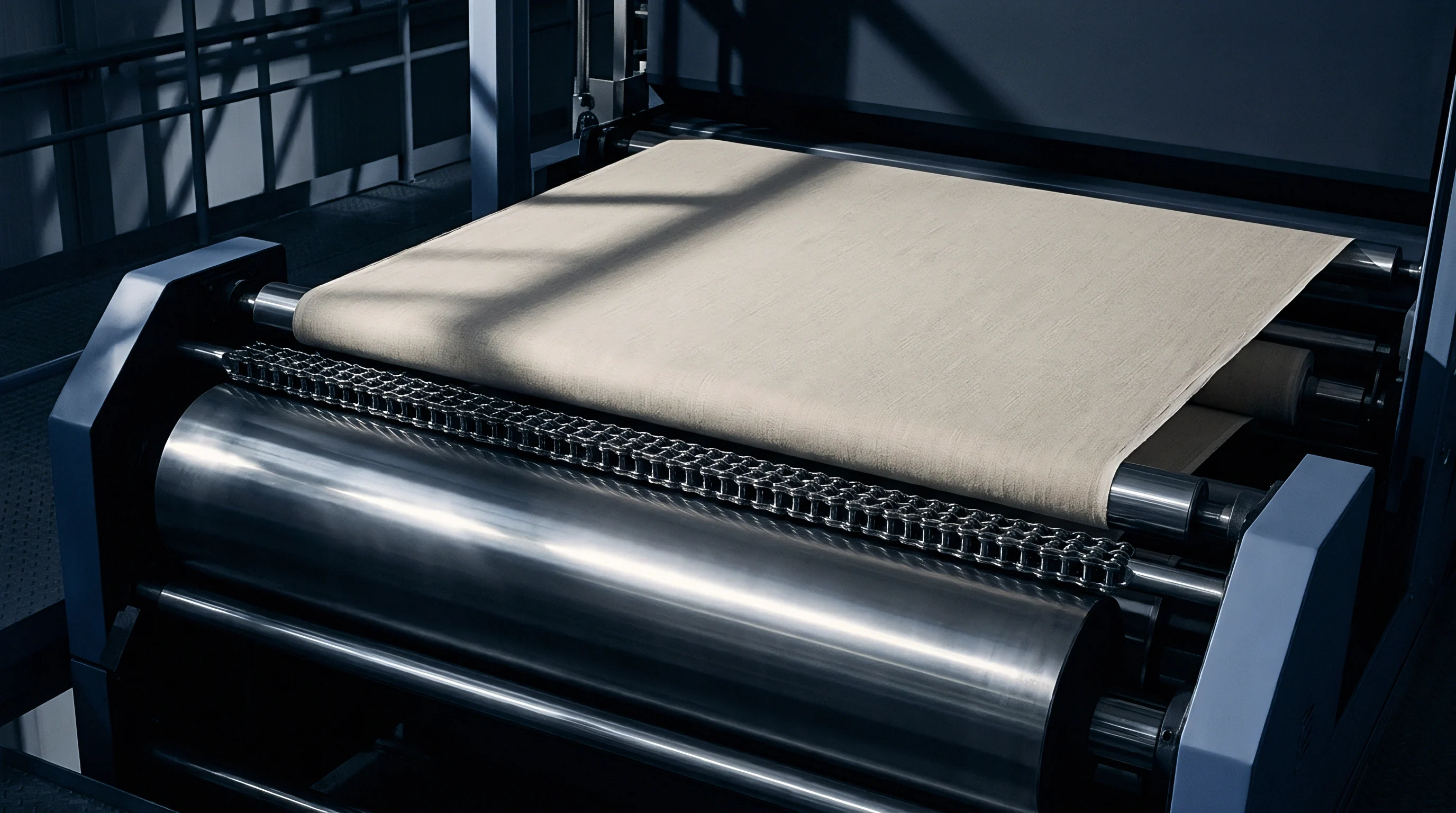
Combed Tow and Shive Accounting
Short fibers separated during comb pass steps enter secondary spinning circuits or coarse technical textile applications, accounting for twenty-five to thirty-five percent of initial raw flax mass. To maintain mass balance integrity under Textile Exchange standard GOTS or European Flax rules, mills must track combed tow volume separately from primary yarn output.
A mill processing certified European flax generates certified European flax tow. If the spinner processes this tow internally into coarse dry-spun yarn, that tow yarn draws from the initial raw fiber scope volume allocation. If the spinner sells raw comb tow to an external paper or needle-punch felt manufacturer without issuing formal transaction certificates, that volume must be subtracted permanently from the certified mass reserve balance rather than converted into additional long-fiber yarn production credit.
Co-product allocation rules restrict total certified output volume to the exact net dry fiber mass declared on incoming transaction certificates.

Co Product Volume Allocation Rules
Secondary streams carrying certified status demand rigid mass balance segregation to prevent duplicate volume issuance. Mills running mass balance accounting systems across mixed production must observe strict volume allocation ratios, where the certified volume ratio equals certified raw fiber dry mass divided by total raw fiber dry mass processed across the facility during a defined time window.
Auditing co-product management requires testing four specific allocation parameters:
- Physical Segregation Isolation requires separate physical storage bays and distinct lot color-coding for certified comb tow bales.
- Proportional Volume Deduction enforces immediate automatic subtraction of sold uncertified tow mass from certified balance credit reserves.
- Shive Credit Exclusion prevents mills from counting heavy non-fibrous woody shive waste as certified textile fiber output credit.
- Waste Blending Threshold Caps limit recycled comb fly re-introduction into primary long-fiber roving streams to maximum three percent by dry weight.
Section 4.2 of the Textile Exchange Chain of Custody Standard prohibits transferring certified mass allocation to uncertified co-product streams, forcing spinners to write off short-fiber tow sales as conventional material.


Warranty
Commercial risk shifts to the purchasing entity whenever an offshore spinning mill fails to validate origin claims through audit-ready dossiers. Linen yarn imports entering major western consumer markets face intense regulatory scrutiny regarding fiber content, sustainability claims, and geographical origin declarations. Customs officials examine physical goods and paper dossiers to enforce trade compliance policies.

Harmonized System Classification and Country of Origin
Customs authorities in importing jurisdictions evaluate Tariff Code 5306 against primary mill records rather than simple bills of lading. Standard non-preferential country of origin rules dictate that substantial transformation determines origin. For linen yarn, spinning raw flax fiber into thread under HS 5306 generally confers origin to the country where spinning takes place, regardless of where flax grew, whereas European Flax claims represent a geographical raw material origin guarantee rather than a processing country statement.
Importing yarn declared as European Flax processed in an offshore Asian mill demands complete documentary linkage connecting EU scutching certificates, sea freight export manifests, Asian mill intake logs, and outbound yarn transaction certificates. If a mill fails an audit and loses its certification status retroactively, customs authorities may challenge origin declarations, confiscate landed goods, or issue severe financial penalties for false labelling under national commercial fraud statutes.
| Document Type | Issuing Authority | Primary Verification Parameter | Audit Defect Trigger | Legal Exposure Level |
|---|---|---|---|---|
| Transaction Certificate (TC) | Approved Certification Body | Batch net weight matching yarn invoice | Volume allocation exceeds scope limits | High: Certification Rejection |
| Certificate of Origin (Form A/COO) | Local Chamber of Commerce | Substantial transformation processing site | Discrepancy in HS Code classification | Extreme: Tariff Fraud Penalty |
| European Flax Certificate | Alliance for European Flax-Linen | Raw fiber farm and scutching lot tracing | Lapsed scope or unlinked bale serials | Moderate: Commercial Claim Breach |
| Mill Weighbridge Intake Slip | Spinning Mill Logistics Department | Physical container arrival net scale mass | Scale weight missing moisture testing | Low: Internal Ledger Defect |

Contractual Risk Allocation and Guarantees
Purchase agreements incorporate explicit indemnity clauses tied directly to transaction certificate issuance. Sourcing practices protect commercial buyer liability by embedding precise mass balance compliance terms directly into yarn purchase specifications and letters of credit.
Standard origin warranty provisions stipulate that final payment remains contingent upon buyer receipt and verification of official certifier-validated transaction certificates matching yarn lot batch weights. The spinner guarantees that yarn mass declarations reflect ISO 6741 dry mass adjustments and that conversion efficiencies fall within verified industry yield bands. If an audit reveals mass balance inflation or uncertified fiber blending, contract terms trigger full purchase price reimbursement plus liquidated damages covering legal defense fees and inventory write-offs.
Incorporating mandatory origin dossiers into commercial contracts ensures that legal claims for non-compliant yarn deliveries fall directly onto the primary spinner before goods enter international trade channels.